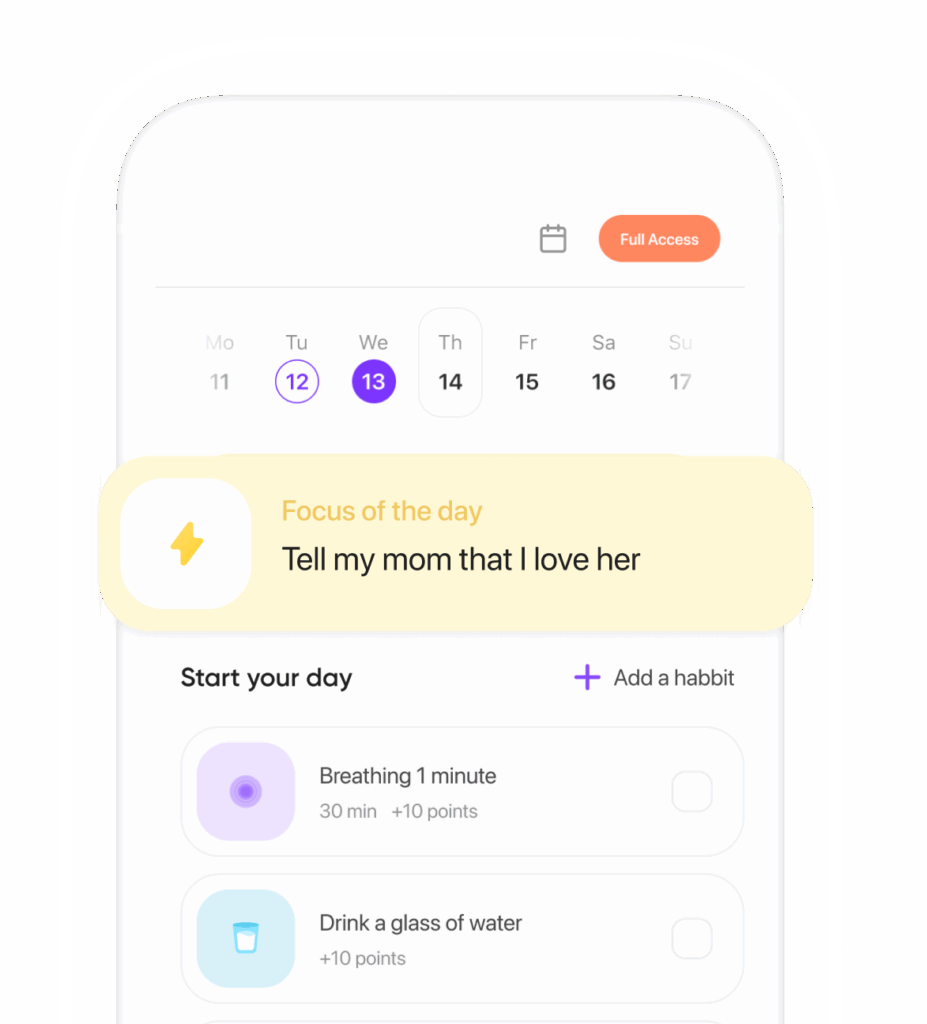
When a late appointment pushes your evening off schedule, tie one small task to a cue you can still notice. For example, when you plug in your phone, put one dish in the dishwasher. If you miss that cue, do it at the next natural pause. You do not need to catch up on the whole routine.
Choose a cue and a small step
Pick an action that takes little effort and an event you can identify, such as plugging your phone into its charger. Make the action specific: put one dish in the dishwasher, rather than “clean the kitchen.” A cue that happens most evenings is more useful than a vague time such as “later.”
The American Academy of Family Physicians’ patient handout includes organizing tasks and breaking them into smaller steps. That supports keeping a task manageable; it does not show that this particular routine has a proven effect.
If it helps, write the plan near the charger: “Phone on charger: one dish in dishwasher. Missed it: next natural pause.” Keep it as a reminder, not a measure of whether you had a successful evening.
Follow the plan on two different evenings
Imagine a late appointment delays dinner. On one evening, you get home, eat, and plug in your phone. When you notice the cue, put one dish in the dishwasher. Stop there if that is your planned step; you do not need to turn it into a kitchen cleanup.
On another evening, you plug in your phone while answering a message and forget the dish. At the next pause, such as when you finish the message, put one dish away. If you are too tired or the dishwasher is unavailable, leave the task for that evening and try again at the next planned cue. Do not add extra work to make up for missing the first moment.
Make a fallback for a disrupted evening
Decide ahead of time what counts as the smallest version. If loading one dish feels impractical, put it beside the sink instead. If you will be away from home and will not use your charger, choose a different cue you can expect to notice, such as putting your keys down when you return. The cue and action should fit the evening you actually have.
- Choose one household task and name its smallest doable version.
- Link it to an observable event, such as plugging in your phone.
- If you miss that moment, use the next natural pause.
- If the cue is absent or the action repeatedly does not fit, shrink the step or choose a more reliable cue.
Change the plan when the cue is hard to notice or arrives when the task is impractical. On a particularly busy day, the fallback can be the whole plan.
Keep routine planning separate from ADHD assessment
This household example is a way to organize one task, not a clinical recommendation or a way to identify ADHD. The CDC describes adult ADHD symptoms and explains that diagnosis involves assessment by a health professional. An online reflection exercise or quiz cannot provide a diagnosis.
If attention or other concerns are affecting your life, read the CDC’s overview of ADHD in adults and consider discussing your concerns with a qualified health professional. For information about organizing and breaking tasks into smaller steps, see the AAFP patient handout.
Choose a planner or explore the ADHD quiz