Table of Contents
Understanding Habit Stacking
Habit stacking involves linking a fresh habit to an existing one, creating a sequence of actions that become almost automatic over time. You may have heard of S.J. Scott’s book, “Habit Stacking: 97 Small Life Changes That Take Five Minutes or Less,” which popularized this idea. The trick here is to anchor new habits to routines already in place, leveraging your brain’s existing pathways—making habit adoption feel less like hard work and more like second nature.
Why Habit Stacking Works
Back in 2010, a study from the European Journal of Social Psychology found that, on average, it takes about 66 days to form a new habit. Habit stacking seeks to simplify this otherwise lengthy process by reducing decision fatigue. By tying a new habit to one already ingrained, you cut down on the need for willpower. This strategy taps into what’s often called the “cue-routine-reward” cycle, making the effort feel less like an uphill battle and more like a natural progression.
Steps to Create a Habit Stack
- Identify an Anchor Habit: Start by choosing a routine that’s already part of your daily life. Good candidates are those things you do without missing a beat—like brushing your teeth, making morning coffee, or that daily commute.
- Select a New Habit: Choose an action that is both specific and achievable. Something like “read one chapter” holds more weight than the vague “read more.”
- Create a Template: Use a straightforward formula: “After [CURRENT HABIT], I will [NEW HABIT].” For instance, “After I pour my coffee, I will meditate for two minutes.”
- Simplify and Scale: Ease into it. Begin with just a couple of minutes each day, then scale up as the habit becomes more ingrained.
- Celebrate Small Wins: Don’t underestimate the power of small victories. A simple “job well done” can go a long way in reinforcing new behaviors and bolstering your motivation.
Practical Applications of Habit Stacking
This technique shines in a multitude of areas:
Productivity
- Morning Routine: “After I wake up, I will make my bed.”
- Work Efficiency: “After I finish a meeting, I will update my to-do list.”
Health & Wellness
- Fitness: “After I drink my morning water, I will do ten push-ups.”
- Diet: “After I sit down for dinner, I will eat a portion of vegetables.”
Personal Development
- Learning: “After I brush my teeth, I will study a new language for ten minutes.”
- Mindfulness: “After I shut down my computer, I will reflect on my day for five minutes.”
Ensuring the Success of Your Habit Stacks
- Consistency is Key: It’s consistency that breeds success. Researchers at University College London affirm that persistent behaviors form more lasting habits.
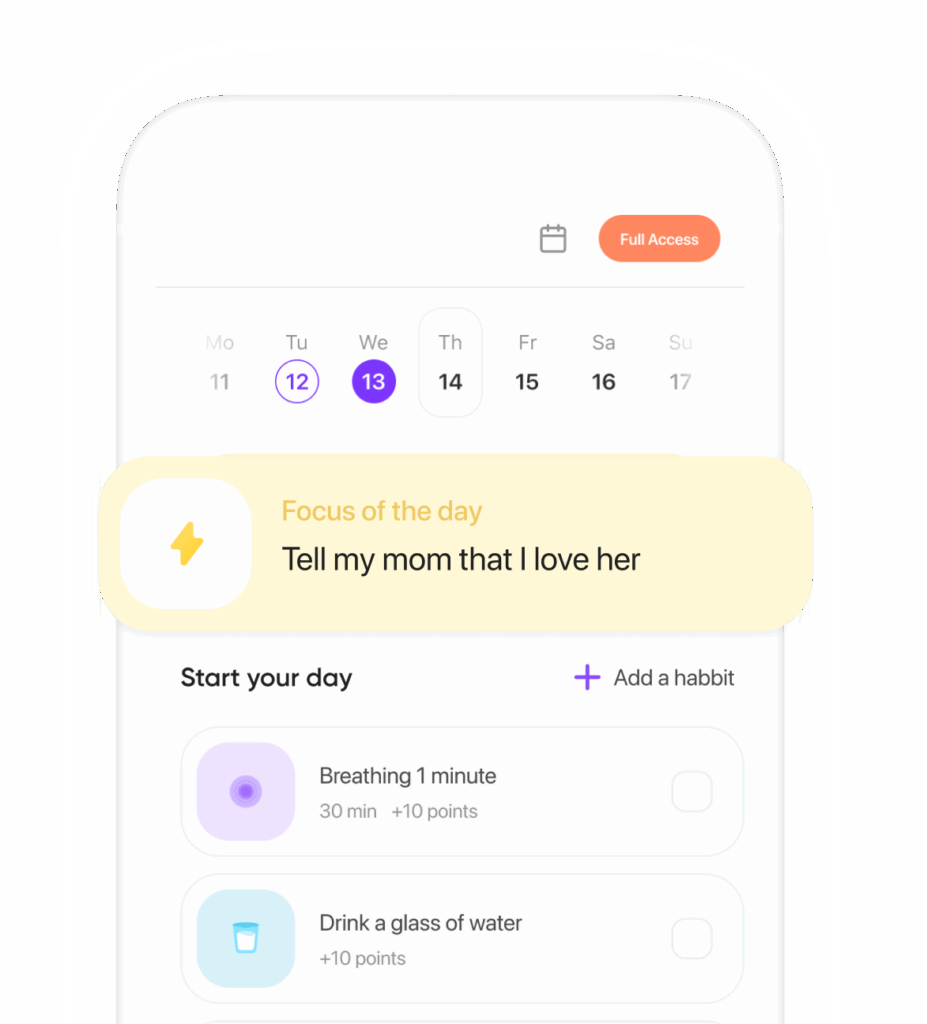
- Monitor Progress: Keep tabs on your journey through journals or habit apps, ensuring both accountability and recognition of your growth.
- Adapt and Revise: If a habit stack feels off, tweak it. Better it melds with your life than becomes a source of friction.
- Stay Flexible: Life evolves and so should your stacks. Adjust your habits as your circumstances change, without hesitation.
The Power of Habit Stacking in Transforming Lives
Embracing habit stacking can lead to transformative changes in both personal and professional spheres. Over time, you’ll start to see areas of your life enriched by these incremental adjustments. It’s almost magical how these minor changes can create a ripple effect, ultimately culminating in greater possibilities and achievements.
Final Thoughts
Habit stacking acts as a strategic game-changer for those eager to build lasting habits. By tacking new actions onto established routines, you essentially take the pain out of habit formation and increase your odds of success. For those in Gen Z or Millennium looking to rejuvenate productivity and personal development, the structure offered by habit stacking can be quite powerful. So why not start today? Choose an anchor habit, decide on a new behavior to stack, and watch as your potential unfolds.
Begin your habit stacking journey today! Build your success story with small, consistent actions that lead to extraordinary results.
—
References
- Lally, P., Van Jaarsveld, C. H. M., Potts, H. W. W., & Wardle, J. (2010). How are habits formed? Modeling habit formation in the real world. European Journal of Social Psychology, 40(6), 998-1009.
- Scott, S. J. (2014). Habit Stacking: 97 Small Life Changes That Take Five Minutes or Less. CreateSpace Independent Publishing Platform.