Table of Contents
- Understanding Habit Stacking
- The Science Behind Habit Stacking
- Steps to Implement Habit Stacking
- Examples of Expertly Crafted Habit Stacks
- Benefits of Habit Stacking for Millennials and Gen Z
- Overcoming Common Challenges
- Conclusion: Boost Your Productivity with Habit Stacking
Understanding Habit Stacking
The technique of habit stacking is championed by productivity guru James Clear in his widely acclaimed book “Atomic Habits.” At its core, it’s rather straightforward—pair a new habit with a trusty old one, using the existing habit as a trigger to kickstart the newer action. This method plays into our brains’ natural inclination to connect behaviors, smoothing the path to forming those new habits.
Picture this: you’re looking to read more each day. Pairing this with, say, your morning coffee ritual might look something like this: “Once I grab my morning coffee, a page in my book will get read.”
The Science Behind Habit Stacking
Research backs the consistency habit stacking promises. Way back in 2009, a study by Lally and others suggested it takes, on average, about 66 days for an action to become instinctive. But here’s the kicker—when these actions are attached to steady routines, forming them becomes notably easier. Add in the concept of “implementation intentions,” or strategically planning actions around specific cues, and the odds of success rise even higher. According to Gollwitzer and Sheeran’s 2006 research, if-then planning increases the likelihood of successful follow-through.
Steps to Implement Habit Stacking
- Identify Current Habits: Kick things off by mapping out what habits have already settled comfortably into your daily routine. Whether it’s the simple act of drinking water or your favorite mid-morning break, these form the baseline.
- Decide on New Habits: Consider the productivity habits you aspire to. Do they fit with your aims? Be it honing focus, acquiring new skills, or boosting health, alignment is key.
- Create a Habit Stack Formula: Employ the formula “After [current habit], I will [new habit].” This creates a mental linkage—easy to follow and harder to forget.
- Start Small: Embed small, attainable tasks first. Allow them to settle, then gradually up the ante as you – and your habits – grow more comfortable.
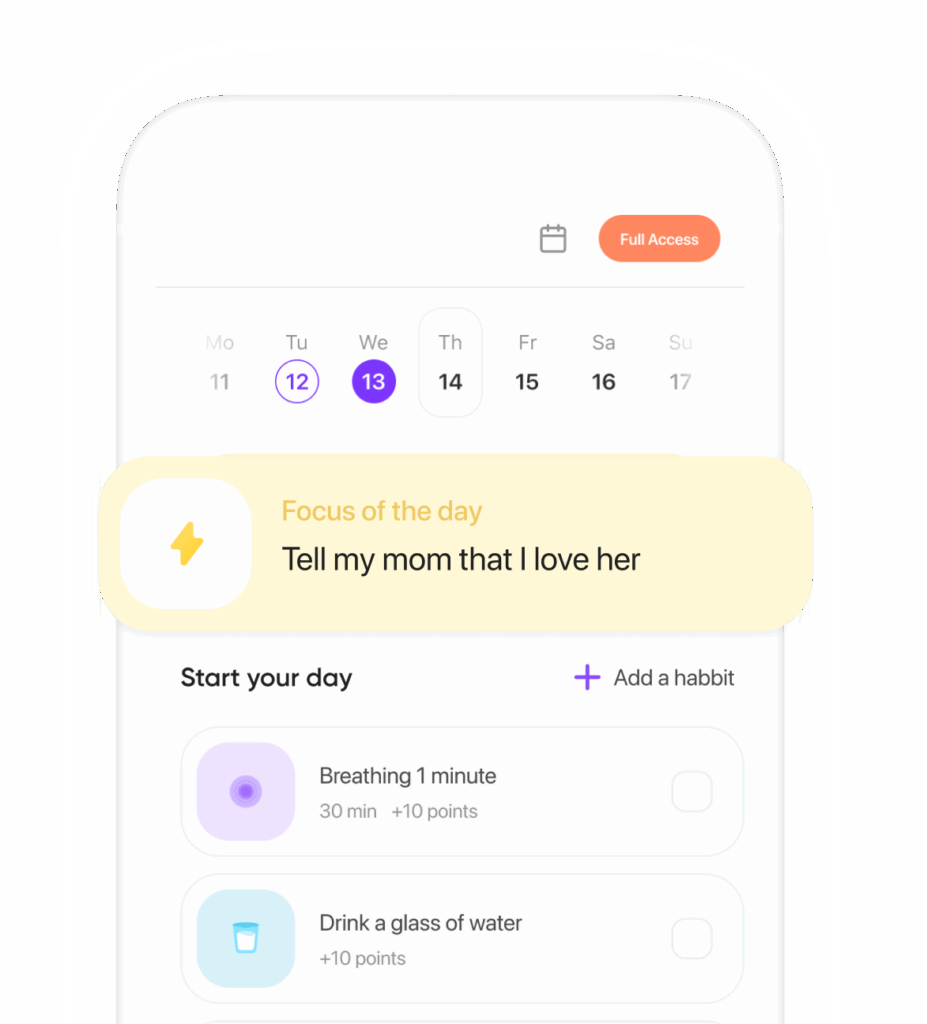
- Track Your Progress: Use a habit tracker for those small, celebratory wins and to pinpoint areas lagging behind. It’s a motivation booster, offering visual proof of advancement.
Examples of Expertly Crafted Habit Stacks
- Morning Routine: After brushing your teeth, dedicate 5 minutes to meditation. Start your day with a clear frame of mind.
- Work Productivity: Once you’re back from lunch, invest 10 minutes in mapping out your remaining workday. This sets the tone for a focused afternoon.
- Healthy Living: Rise from bed and follow it with a tall glass of water. A simple way to jumpstart your metabolism and ensure hydration.
Benefits of Habit Stacking for Millennials and Gen Z
With Millennials and Gen Z juggling myriad responsibilities, habit stacking offers a practical solution to enhance productivity without overwhelming their packed schedules. The beauty lies in its flexibility, allowing routines to be tailor-made, ensuring new beneficial habits are a natural fit in varied lifestyles.
Plus, the gradual change habit stacking fosters promotes a mental health equilibrium, easing anxiety that often accompanies abrupt lifestyle changes. It affords a consistency many crave amidst the constant upheavals of modern life.
Overcoming Common Challenges
Despite its merits, habit stacking is not without challenges. Overburdening your stack with too many new habits can be a recipe for burnout. Avoid this by cementing one habit before introducing another.
A flexible mindset helps tackle irregular schedules that disrupt habit sequences. Alternative anchor points can sustain the framework of habit stacking even through unpredictability.
Conclusion: Boost Your Productivity with Habit Stacking
Habit stacking—a transformative tool for a more productive day. By tethering new habits to the comfortable familiarity of established ones, this technique makes the formation of new habits intuitive and straightforward. For Millennials and Gen Z, habituated to balancing diverse daily hurdles, its personalized, consistent nature makes it invaluable.
Starting today could usher in a more productive lifestyle than you ever envisioned. Habit stack your way to success—because sometimes the little things, they change everything.
References
- Lally, P., van Jaarsveld, C. H. M., Potts, H. W. W., & Wardle, J. (2009). How are habits formed: Modelling habit formation in the real world. European Journal of Social Psychology, 40(6), 998-1009.
- Gollwitzer, P. M., & Sheeran, P. (2006). Implementation Intentions and Goal Achievement: A Meta-analysis of Effects and Processes. Advances in Experimental Social Psychology, 38, 69-119.