Building Your Productive Morning: A Human Approach
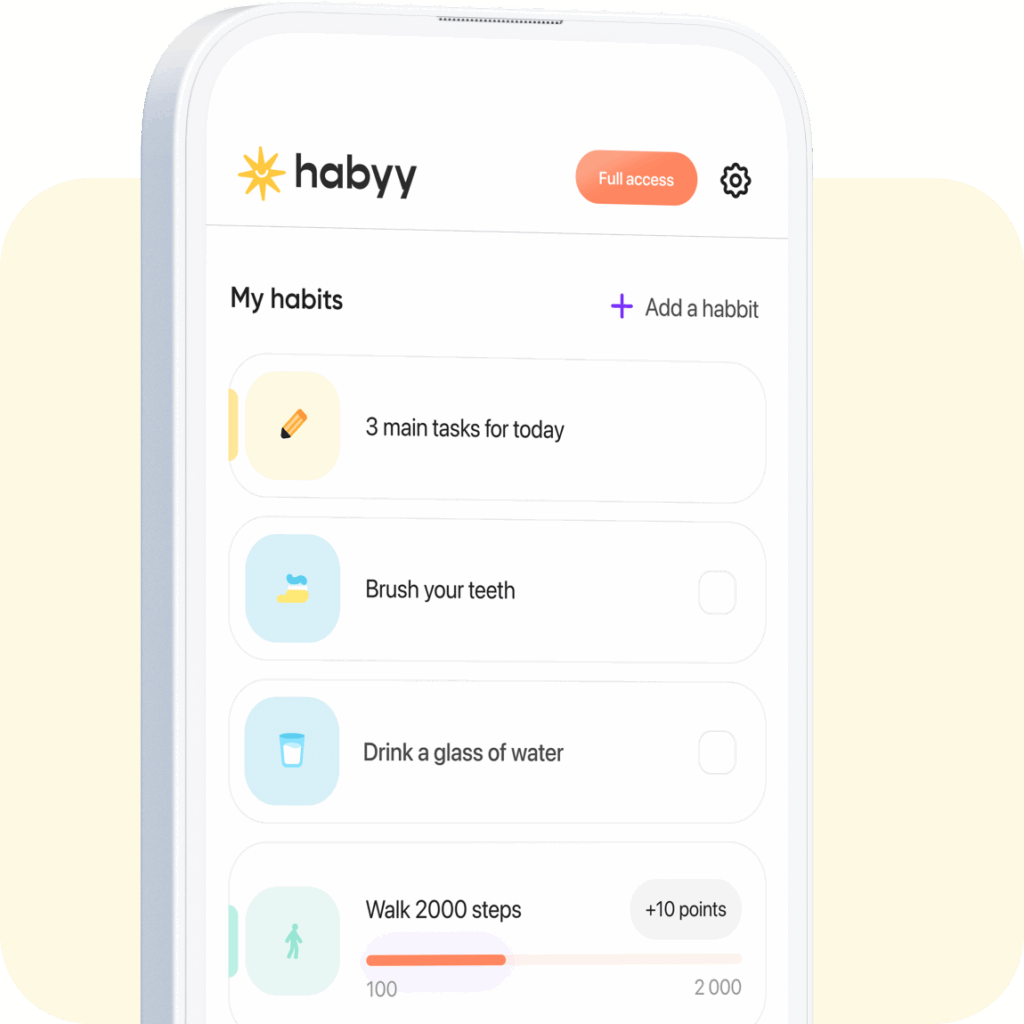
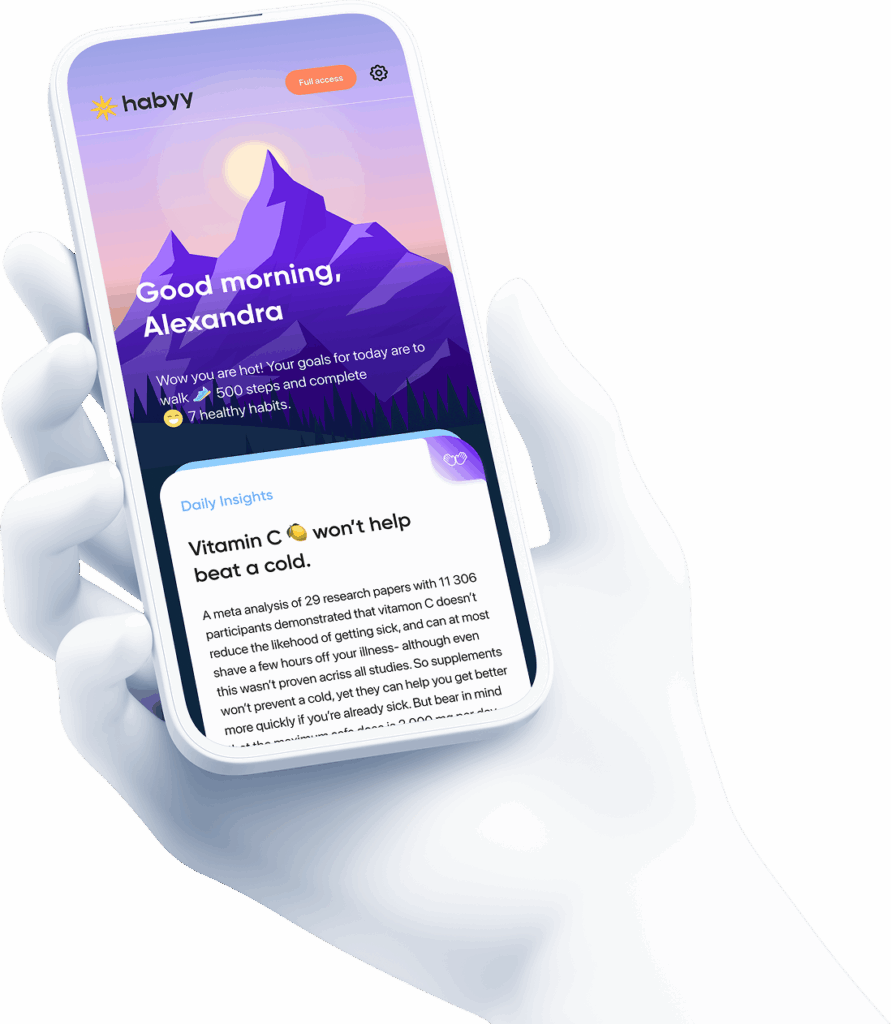
Table of Contents Delving into the Science of Mornings Designing Your Morning Blueprint Making Your Routine Stick Embarking on Routine Change The Core: Consistency Delving into the Science of Mornings Does a structured morning really impact our productivity mindset? It seems so. A 2020 paper from the National Institute of Health underscored a clear connection between routine morning activities and mental wellbeing. But there’s more… The Journal of Applied Social Psychology talks about how habits form the bedrock of long-term goal achievement. Designing Your Morning Blueprint Uniform Wake-Up Call Consistency? It’s your body clock’s best ally. This regularity doesn’t just improve sleep—it enhances cognitive prowess, too. Ease into it by setting your alarm just 30 minutes earlier. Remember those tranquil mornings? They’re your hidden productivity boosters. Hydration: A Morning Essential After hours of sleep, your body’s crying for hydration. A glass of water? It revitalizes your metabolism and brain alike. The National Academies of Sciences suggests a hefty intake—a subject of debate for many but essential nonetheless. Energize Through Exercise Even a brief ten-minute stretch can do wonders for your mood. According to the National Center for Biotechnology Information, a dash of morning exercise kickstarts both energy and productivity. Whether it’s a quick jog or a yoga stretch—endorphins are your morning pals. The Breakfast Balance Fueling up right is science-backed. A study in the Public Health Nutrition journal pushes for a balanced breakfast replete with grains, proteins, and greens. Think of breakfast as gasoline for those cognitive engines. Moments of Mindfulness Meditation might sound more like a luxury—but it’s a stress-busting powerhouse. A Health Psychology Review found mindfulness can enhance your focus dramatically. Apps like Calm could guide you through this mental warm-up. Plan and Prioritize A quick jot down of tasks can steer your day. By highlighting three main goals, you transform an overwhelming list into a conquering plan. Harvard Business School even hints that this foresight can supercharge productivity. Screen-Free Start Imagine a morning sans digital chaos. The Journal of Experimental Psychology suggests that fewer screens early on hones focus and quells stress. Making Your Routine Stick Start Small Begin with a singular change—perhaps just one habit each week. Why rush? European Journal of Social Psychology claims it takes about 66 days to cement a new habit. Reflect Pen down what’s effective and what’s not. Adapting over time keeps you aligned with ever-evolving goals. Reflection, after all, fosters growth. Embrace Flexibility Life’s unexpectedness is inevitable. When mornings derail, adapt with grace. That adaptability ensures you stick to the path without surrendering. Embarking on Routine Change The idea of transformation can be intimidating. Yet, aligning each morning routine element with your personal aspirations pays off. Communities—both virtual and physical—can offer a supportive nudge. The Core: Consistency Routine consistency is your productivity’s foundation. Perfection is a myth, and forgiveness is just as crucial. Your routine evolves as you learn and grow. Building a morning routine for productivity isn’t a linear journey. With trial, error, and minor adjustments, you’ll find a rhythm that suits your unique lifestyle. Make today the day you set the stage for a more fulfilling future. Remember, it’s all about that first step. References: American Psychological Association (2021). Insights on routines and mental well-being. NIH (2020). Morning routines and their impact on productivity. NAS (2019). Comprehensive water intake guidelines. NCBI (2019). Short exercise and energy elevation. PHN (2020). Breakfast’s role in cognitive health. HPR (2018). Mindfulness and its cognitive benefits. Harvard Business School (2019). Daily strategizing effects on productivity. JEP (2019). Morning digital exposure’s impact on focus. European Journal of Social Psychology (2010). The timeline of habit formation.