
How to Harness Habit Tracker Benefits Daily
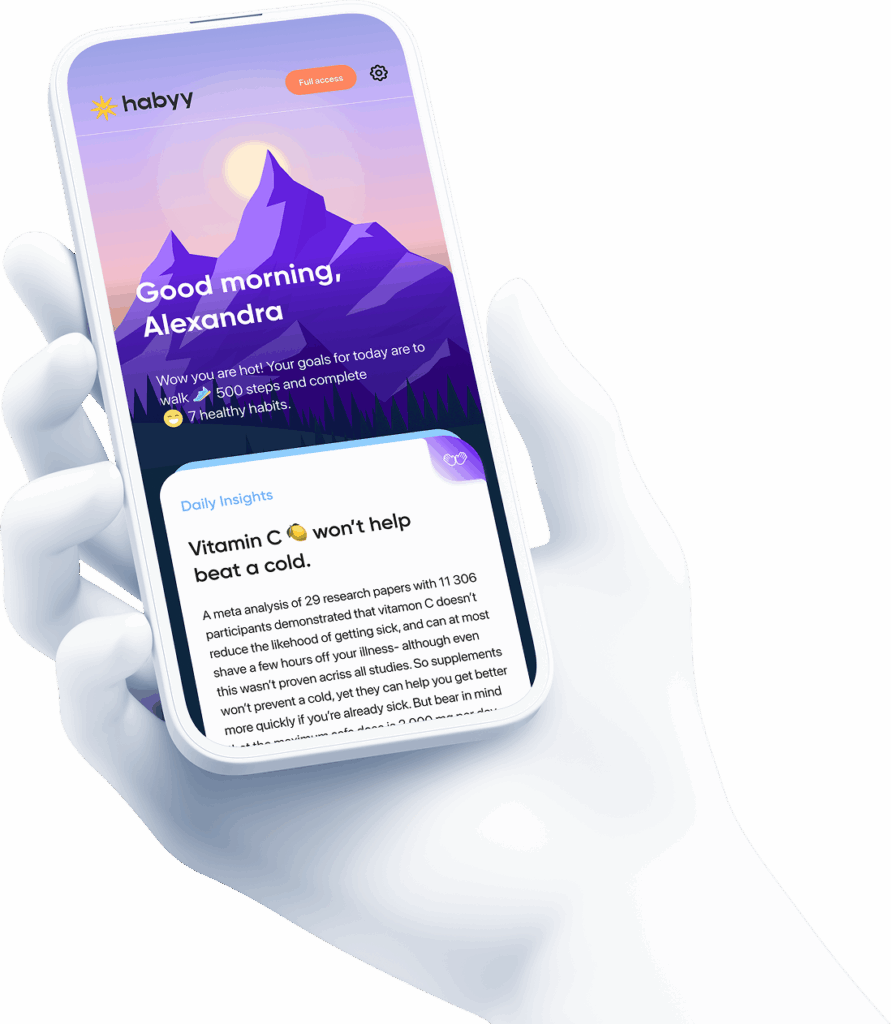
Introduction The first checkmark felt almost silly. One glass of water, tick. Ten push-ups beside the bed, tick. You might know this moment: you’re staring at a thin row of boxes on your phone or paper, wondering how those tiny marks could possibly change anything big. Yet by the end of that week, the grid looked different—full of steady color and proof you kept a promise to yourself. That’s the quiet magic of habit tracker benefits: they turn invisible work into visible momentum, one ordinary day at a time. I’d argue it’s the most underestimated mental health tool hiding in plain sight. You might be feeling stretched, distracted, or unsure where to start. If that’s you, you’re not broken—you’re just human, and your brain happens to love clear cues and quick feedback. A habit tracker gives both. It makes your efforts concrete, guides your attention toward what matters, and nudges you to show up consistently, even when motivation dips. Back in 2021, a Harvard study on behavior change noted how feedback loops keep people engaged over longer arcs; a paper calendar checkmark does more work than it seems. Let’s turn those habit tracker benefits into something you feel daily, not just when you remember to log. My view: simple beats grand every time. Image: a morning notebook and phone with a simple checklist — alt: habit tracker benefits embedded in a calm daily routine Table of Contents Introduction The Science Behind Habit Tracker Benefits A Mini-Case Study: When Life Hits Hard Design Your Tracker Like a Tool, Not a Shrine What Daily Habit Tracking Looks Like on a Real Tuesday A Mini-Case Study: When Focus Is a Battle Turn Habit Tracker Benefits into a Five-Minute Ritual Make Your Metrics Humane Guardrails Against Common Pitfalls Ask the Experts: Making It Stick When You’re Busy Where Habit Tracker Benefits Show Up First Daily Rituals That Unlock Habit Tracker Benefits A Micro-Guide for ADHD Minds About 60-Second Wrap-Up The Bottom Line References Key Takeaways Habit trackers make invisible effort visible, turning small actions into sustained momentum. Tiny, well-cued habits beat grand plans—use clear if-then cues and reduce friction to log. Self-monitoring improves outcomes across health, mood, and consistency; review data weekly. Design humane metrics and streak rules that bend with life (maintenance days, “never miss twice”). Close the loop daily: cue, act, log, reflect—your tracker becomes a confidence engine. The Science Behind Habit Tracker Benefits What your brain needs to repeat: Your brain learns by pairing cues, actions, and rewards. When the loop is obvious and immediate, the behavior becomes easier to repeat. NIH’s News in Health notes that habits form when repeated actions link to stable cues, gradually requiring less conscious effort over time. A tracker makes the cue-reward cycle visible—your checkmark is a micro-reward layered right on top of the action. It’s not fancy; it’s friction management, and that’s enough. Why “seeing” progress matters: “Ambiguity kills motivation. Habit trackers reduce ambiguity. They turn ‘I think I’m trying’ into ‘I know I’m moving,’ and that difference keeps people engaged on hard days.” — Dr. Sarah Chen, Clinical Psychologist at NYU The check-in is not busywork; it’s a confidence loop. I’ve seen more progress from a blunt pencil and a grid than from any pep talk. Self-monitoring improves outcomes: Whether it’s blood pressure, movement, or meals, tracking is tied to better results. The CDC recommends self-measured blood pressure monitoring as a best practice because it reliably improves blood pressure control when paired with clinical support. Mayo Clinic’s weight-loss guidance encourages food logs because people who track intake are more likely to identify patterns and adjust. And expressive writing—essentially tracking your thoughts and emotions—can help with stress and well-being, as the APA has reported for decades. These aren’t fringe ideas; they’re the scaffolding of behavior change. Personally, I think self-monitoring is the most humane kind of discipline. It targets a global problem: Only about 1 in 4 U.S. adults meets the recommended physical activity guidelines. The World Health Organization calls physical inactivity a major risk factor for global mortality. Daily habit tracking makes these big public health goals—move more, stress less—personally actionable. It’s the difference between a headline and an action in your kitchen. “We overestimate motivation and underestimate logistics. Trackers fix the logistics—when, where, how long—and that makes your motivation count.” — Dr. Miguel Alvarez, Behavioral Scientist and Lecturer in Habit Design He’s seen it across thousands of students: habits don’t fail because you’re lazy; they fail because the loop is invisible or the next action isn’t obvious. I agree—logistics is where ambition either lives or dies. A Mini-Case Study: When Life Hits Hard When Maya, 28, went through her divorce last winter, her routines collapsed. She started using a simple habit tracker: 5 minutes of morning journaling, a 10-minute walk after lunch, and texting a friend by 8 p.m. for accountability. “It felt too small,” she told me, “but the squares filled up. After two weeks I noticed I was sleeping better and snapping less at work.” The benefits stacked: better sleep led to calmer mornings; the walk helped her appetite and mood. That’s the quiet compounding of daily habit tracking—small acts that stabilize the rest. My read: in crisis, tiny is more therapeutic than intense. Design Your Tracker Like a Tool, Not a Shrine There’s a difference between tracking that works and tracking that looks pretty. Real habit tracker benefits come from clarity and follow-through, not perfection. A handsome grid is nice; a used one is better. Choose 3 keystone behaviors: One for energy (sleep or movement), one for mental clarity (journaling or meditation), and one for life admin (budget check, tidy reset). Keep it tiny: 10 push-ups, 3-minute journal, 5-minute tidy. Why it works: small, consistent actions get encoded faster and with less resistance. In my experience editing hundreds of behavior-change stories, small is sustainable; everything else is theatre. Build if-then cues: “If I put coffee on, then I fill my water bottle.” “If I close my laptop, then