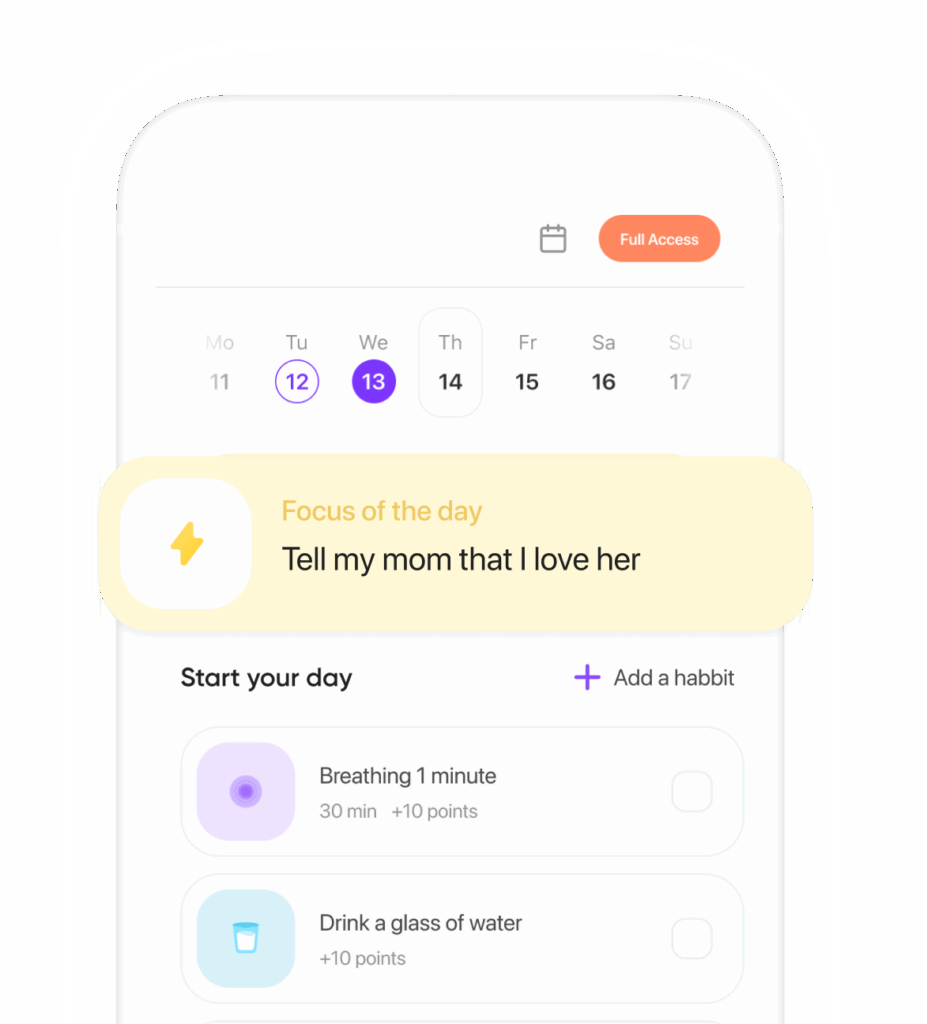
The first week felt electric. You tapped your habit app at sunrise, watched the green boxes stack like dominoes, and swore you could feel your brain rewiring itself in real time. Two weeks later, the glow dulled. You’re still checking boxes, but the energy—those much‑promised habit tracker benefits—seems to be stalling. If that sounds familiar, you’re not broken. You’ve run into the predictable physics of behavior change, where novelty fades, feedback loops go fuzzy, and streak pressure quietly drains your motivation. I’ve seen this cycle in readers since 2012, and lived it through more than one New Year’s reboot.
This is the moment that matters. Not the spark, but the stall. Let’s name why your habit tracker benefits plateau and how to get them moving again—using psychology you can apply today.
Table of Contents
Key Takeaways
- Track controllable behaviors, not outputs; measure tiny wins and effort quality.
- Use specific if‑then cues and design your environment to lower friction.
- Prefer rolling averages over streaks; plan for misses and “never miss twice.”
- Protect sleep and add immediate, intrinsic rewards to keep motivation alive.
- Run weekly experiments: review, tweak one variable, and treat misses as data.
The Science Behind Habit Tracker Benefits—and Why They Fade
We love new tools because our brains love novelty. The anticipation of progress gives a quick dopamine bump in the brain’s reward circuit—the same system that motivates us to repeat behaviors that feel rewarding. That lift powers early consistency, but it isn’t built to carry the whole load. As the National Institute on Drug Abuse has explained for years, the reward circuit fires most strongly when rewards are unexpected; once the outcome becomes predictable, the signal drops (NIDA). Translation: the first streak lights you up, the tenth turns into Tuesday.
At the same time, a tracker focuses on reinforcement—pacing out small rewards (checkmarks, streaks, charts). Reinforcement is powerful when it’s timely, meaningful, and tied to a behavior you control (APA Dictionary of Psychology). If those conditions wobble, you can be consistent and still feel stalled. Back in 2021, a Harvard‑linked review on reward timing made the same point in softer language: speed matters more than spectacle.
“Trackers are a mirror, not a motor. They reflect what’s happening; they don’t drive it. When the reflection is off—wrong behavior, wrong goal, wrong timeframe—motivation erodes, even when you’re ‘doing everything right.’”
— Dr. Lena Ortiz, Clinical Psychologist
She’s right; I think we ask too much of a grid and too little of our environment.
Eight Silent Saboteurs That Stall Your Habit Tracker Benefits
-
1) You’re tracking outputs, not behaviors
Why it stalls: Many people track outcomes they can’t fully control—like “lose 10 pounds” or “write 1,000 words”—instead of inputs they can. When real life clips your output, the tracker records “failure,” even if your effort was solid. That misalignment breaks reinforcement and weakens the habit loop. In my view, effort quality is wildly undervalued.
How to fix it:
- Rewrite habits as behaviors under your control. “Write for 25 minutes” beats “Write 1,000 words.”
- Add a backup minimum for rough days (“Open the doc and write 1 sentence”).
- In your tracker, log completion and effort quality (e.g., 1–3), not just a binary check.
-
2) Your cues are vague and your timing is random
Why it stalls: Habits depend on cues—time, place, preceding action—that trigger the behavior automatically. Vague plans like “work out daily” force you to re‑decide every time, exhausting willpower. Research on implementation intentions shows that “if‑then” plans increase follow‑through because they pre‑link cue and action (APA Dictionary of Psychology).
How to fix it:
- Anchor habits to existing routines: “After I brew coffee, I stretch for 5 minutes.”
- Keep the cue specific and observable: “At 12:30 p.m. after my calendar reminder, I walk outside for 10 minutes.”
- Put tools where the cue happens: shoes by the bed, book on the pillow, water bottle on your desk.
-
3) You took on too much, too fast
Why it stalls: The planning fallacy nudges us to underestimate time and effort, so we often add five new habits at once. In reality, context switching drains focus, and early failures snowball into shame. The planning fallacy is our bias toward underestimating task duration and complexity (APA Dictionary of Psychology).
How to fix it:
- Cut your active list to 1–3 keystone habits for 4–6 weeks.
- Use “minimum viable” versions that fit even on chaotic days.
- Expand only when your baseline habit fires automatically 80%+ of days.
-
4) Your streak is stressing you out
Why it stalls: Streaks can help until they become all‑or‑nothing traps. One missed day can collapse motivation (“What’s the point now?”), a phenomenon Dr. Ortiz calls motivational fragilization. When the tracker defines success as unbroken perfection, life’s normal variability looks like failure. In my notebook, streaks are a spice, not the meal.
How to fix it:
- Track rolling averages instead: “4 of 7 days” or “20 of 30 days.”
- Build “planned misses” into your rules: “I aim for 5 days/week.”
- Use a “Never miss twice” safeguard: if you miss once, prioritize a tiny version next day.
Pro Tip: Switch your tracker view to weekly completion rates. Seeing “5 of 7” keeps momentum after a miss. -
5) You don’t feel better—yet
Why it stalls: Some habits pay off slowly. You meditate for a week and still feel restless; you lift for two weeks and your back still aches. Without early rewards, the brain deprioritizes the behavior. Small, meaningful early signals can keep the loop alive (NIDA).
How to fix it:
- Layer immediate, intrinsic rewards: play a favorite song during cleanup; enjoy sunlight on your walk.
- Pair the habit with a sensory cue you love—aroma, playlist, cozy chair—to make the behavior itself feel good.
- Add reflection prompts to your tracker: “How do I feel right after?”
-
6) You’re sleep‑deprived
Why it stalls: Low sleep sabotages self‑control, mood, and decision‑making—the very systems habits depend on. In the U.S., about 1 in 3 adults sleep less than 7 hours per night (CDC). Blue light from late‑night scrolling suppresses melatonin and delays sleep (Harvard Health). Sleep isn’t another box to tick; it’s the platform under all the boxes.
How to fix it:
- Make sleep your keystone habit for 2 weeks: screen off 60 minutes before bed, dim lights, consistent wake time.
- Put your phone to charge outside the bedroom; use an alarm clock instead.
- Track a “lights‑out” habit; watch how other habit tracker benefits rebound when sleep improves.
-
7) Your environment fights your intentions
Why it stalls: If the cookies stare at you from the counter and your running shoes are buried in a closet, friction wins. Modifying cues and context is central to breaking—and making—habits (NIH News in Health).
How to fix it:
- Design for default: put water within arm’s reach, pre‑lay out workout clothes, set your notebook open on your desk.
- Raise friction on undesired behaviors: log out of autoplay apps, put snacks in opaque containers, move the TV remote far away.
- Move the habit 10 feet closer to “go.” Small reductions in friction often double your odds.
-
8) You’re tracking alone
Why it stalls: For many people, social accountability is the missing reinforcement. Without it, a habit stays private and optional. With it, there’s a gentle nudge that your effort matters to someone else. I’ve seen one well‑timed text do more then a week of pep talks.
How to fix it:
- Share a weekly screenshot of your tracker with a friend; keep the tone supportive, not punitive.
- Use public check‑ins in a group chat, not public shaming on social media.
- Celebrate streaks and recoveries equally. “Back on track” is a brag.
Fixes That Revive Your Habit Tracker Benefits
-
1) Choose behaviors you control, measure with compassion
The why: Reinforcement only works if successes are attainable and frequent. When you control the action and recognize partial wins, your brain receives authentic, repeatable rewards (APA Dictionary of Psychology). Compassion is a strategy, not a slogan.
The how:
- Swap outcome goals for behavior goals: “Read 5 pages,” not “Finish a book a week.”
- Use two checkboxes: “Did it” and “Even a tiny version.” Both count toward your consistency goals.
- Create “success scripts” for tough days: “When the schedule explodes, I’ll do 1 push‑up, log it, and move on.”
-
2) Anchor with “if‑then” plans
The why: Implementation intentions reduce the need for on‑the‑spot decisions, which protects consistency under stress (APA Dictionary of Psychology).
The how:
- Write yours directly in your tracker: “If it’s 12:30, then I walk.” “If I pour coffee, then I journal one line.”
- Keep them visible: preload reminders or sticky notes where the cue occurs.
- Review weekly; if a cue fails twice, change it.
-
3) Adjust your reward timing
The why: Early and immediate rewards fuel repetition. If the benefit is delayed (e.g., strength, savings), add a near‑term cue your brain appreciates now (NIDA).
The how:
- Pair habit with something pleasurable you already do.
- Track tangible micro‑wins: “minutes walked,” “pages read,” “dollars saved,” then watch the line grow.
- Use “afterglow notes”: a one‑line log of how you feel post‑habit to train your brain to notice payoffs.
-
4) Build a simple review rhythm
The why: Without reflection, you’re keeping score without strategy. Weekly reviews help you learn quickly and course‑correct. A 10‑minute audit often outperforms a 10‑point plan.
The how:
- Every Sunday, scan your tracker and ask:
- What worked that I can repeat?
- Where did friction beat me—and how can I move it?
- What tiny tweak would make next week 10% easier?
- Turn insights into experiments: change one variable per week (time, place, duration, cue).
- Every Sunday, scan your tracker and ask:
-
5) Stack identity, not just streaks
The why: Habits stick when they become part of who you are. Your tracker can reflect identity, not just behavior.
“If your tracker reinforces ‘I’m the kind of person who shows up,’ you’ll forgive misses and keep going. If it only says ‘unbroken streaks matter,’ one miss ends the story.”
— Dr. Samuel Park, Behavior Scientist and Coach
The how:
- Name your identity in the habit: “I’m a reader; I open a book daily.” “I’m active; I move my body each afternoon.”
- Celebrate consistency over intensity. Give yourself a sticker or note when you show up on low‑energy days.
- Write one sentence each week about how this habit expresses who you want to become.
-
6) Sleep first, then stack
The why: Sleep is the amplifier. It stabilizes mood, attention, and self‑control, which makes every other habit easier. Short sleep is common and harmful (CDC), while evening blue light delays melatonin and sleep timing (Harvard Health).
The how:
- Create a “digital sunset” habit in your tracker: screens off 60 minutes before bed.
- Replace pre‑sleep scrolling with a low‑light ritual: stretch, read 5 pages, or journal one line.
- Track wake time rather than bedtime to stabilize the rhythm.
Pro Tip: Pair your digital sunset with an automation: at 9 p.m., your lights warm and your phone goes to Do Not Disturb. -
7) Design your environment like a teammate
The why: Environment beats willpower. Changing triggers and contexts is a proven lever for behavior change (NIH News in Health).
The how:
- Put needed objects on‑path: mat where you step, floss where you brush, water in your sightline.
- Remove friction: pack your gym bag and put it by the door; preload the playlist; prep the smoothie ingredients.
- Make unwanted behaviors inconvenient: sign out, move apps off the home screen, store treats on high shelves.
-
8) Use movement to prime momentum
The why: Exercise improves mood, energy, and cognitive function, which can cascade into better follow‑through on other habits (Mayo Clinic). Even brief bouts count.
The how:
- Add a 5–10 minute “movement snack” after long sitting blocks.
- Track consistency, not distance or speed.
- Use movement as a reset button after a missed habit.
Case Studies From the Stall
- Devon, 33, startup engineer: Tried to track eight habits at once (coding sprints, Spanish, kettlebells, hydration, reading, journaling, sleep, meal prep). Decision fatigue crushed momentum. He cut to three (sleep, kettlebells, Spanish), wrote if‑then plans, and moved shoes beside the bed. In four weeks his consistency jumped from 38% to 78%—design, not grit.
- Zoe, 24, retail with ADHD: Rigid streak logic made her feel behind every week. She swapped to “time‑anchored windows” (2–6 p.m. walk), tracked weekly totals, and added a calming playlist. Softer structure fit her brain—and schedule—so her benefits returned.
- Marcus, 29: Couldn’t “feel” meditation working. He added one‑line afterglow notes in his tracker: “Right now I feel: ____.” Within 10 days, he noticed calm after sessions and more patience on calls—enough to sustain him until deeper benefits arrived.
- Maya, 28: During divorce weeks, her clean streak cracked and each miss spiraled. She switched to “5 of 7 days,” logged a 10‑minute walk minimum, and called her sister after walks as a tiny reward. Four weeks later she felt calmer—and her tracker benefits returned because the system fit her life.
Expert Snapshots to Keep Your System Honest
“Perfectionism is a revenge fantasy against uncertainty. Real life is lumpy. If your tracker can’t absorb a missed day without breaking your spirit, change the rule, not yourself.”
— Dr. Lena Ortiz, Clinical Psychologist
“People underestimate how a 30‑minute sleep delay ripples through the next day. Protecting sleep is not ‘one more habit’—it’s the runway for every other takeoff.”
— Dr. Priya Raman, Sleep Researcher
“If you want a tracker to work long term, make it a lab, not a ledger. Great systems run experiments, learn fast, and treat misses as data.”
— Marco Silva, MPH, Behavioral Scientist
A Practical, One‑Page Reset to Restore Your Habit Tracker Benefits
- Pick 1–3 habits only, and rewrite them as controllable behaviors with minimum versions.
- Tie each to a specific if‑then plan and a physical cue in your environment.
- Shift your metrics to rolling averages (e.g., 5 of 7 days) and celebrate “tiny versions.”
- Add an immediate, enjoyable reward you can feel right away.
- Lock in a 60‑minute digital sunset to protect sleep for two weeks.
- Do a 10‑minute weekly review. Keep one tweak per week. Treat everything as an experiment.
Why this works: You’re aligning the brain’s reward system with a realistic structure, feeding yourself early wins, and removing the frictions that quietly erode momentum. You’re also building identity and adjusting your environment—both proven levers for lasting change (NIH News in Health; APA Dictionary – reinforcement; implementation intentions). In plain terms: your system fits your day, not the other way around.
If you’re feeling discouraged: you’re not failing; your system is learning. Habits are living things. They respond to context, sleep, stress, seasons, and the stories you tell yourself. Your habit tracker benefits haven’t vanished; they’re waiting behind a few thoughtful adjustments and a gentler rulebook.
Bring the Spark Back—Without Starting From Zero
Give yourself permission to redesign your setup. Protect sleep first. Shrink the habit without shrinking your identity. Measure what you can control. Put the cue where you live, and pair your effort with small joys you can feel right now. Treat your tracker like a lab notebook. Those habit tracker benefits you felt in week one aren’t magic—they’re mechanics. Once you see the parts, you can rebuild the engine.
And when your life changes again, you’ll know what to do next time.
The Bottom Line
Consistency returns when your habits are controllable, cued by clear if‑then triggers, rewarded immediately, and supported by sleep and environment. Ditch all‑or‑nothing streaks for rolling averages, run weekly experiments, and treat misses as data—not drama.
60‑Second Summary
When progress plateaus, it’s rarely you—it’s a mismatch between behavior, cues, rewards, and environment. Track controllable actions, use if‑then plans, add immediate rewards, protect sleep, and swap streaks for rolling averages. Run weekly experiments and design your space to make good choices easy. Do this, and your habit tracker benefits will return.
Try Sunrise – ADHD Coach
Ready for a smarter system that fits an ADHD brain? Try Sunrise – ADHD Coach. It combines habit tracking, focus tools, and AI‑powered daily planning to help you stay consistent without perfectionism. Rebuild momentum today: https://apps.apple.com/app/adhd-coach-planner-sunrise/id1542353302
References
- National Institute on Drug Abuse (NIDA) – The Reward Circuit
- APA Dictionary of Psychology – Reinforcement
- APA Dictionary of Psychology – Implementation Intention
- APA Dictionary of Psychology – Planning Fallacy
- Centers for Disease Control and Prevention (CDC) – Insufficient Sleep Among Adults
- Harvard Health Publishing – Blue light has a dark side
- NIH News in Health – Breaking Bad Habits
- Mayo Clinic – Exercise: 7 benefits of regular physical activity
Note: This article is for informational purposes and not medical advice. If you’re experiencing persistent sleep issues, mood changes, or health concerns, consult a licensed professional.