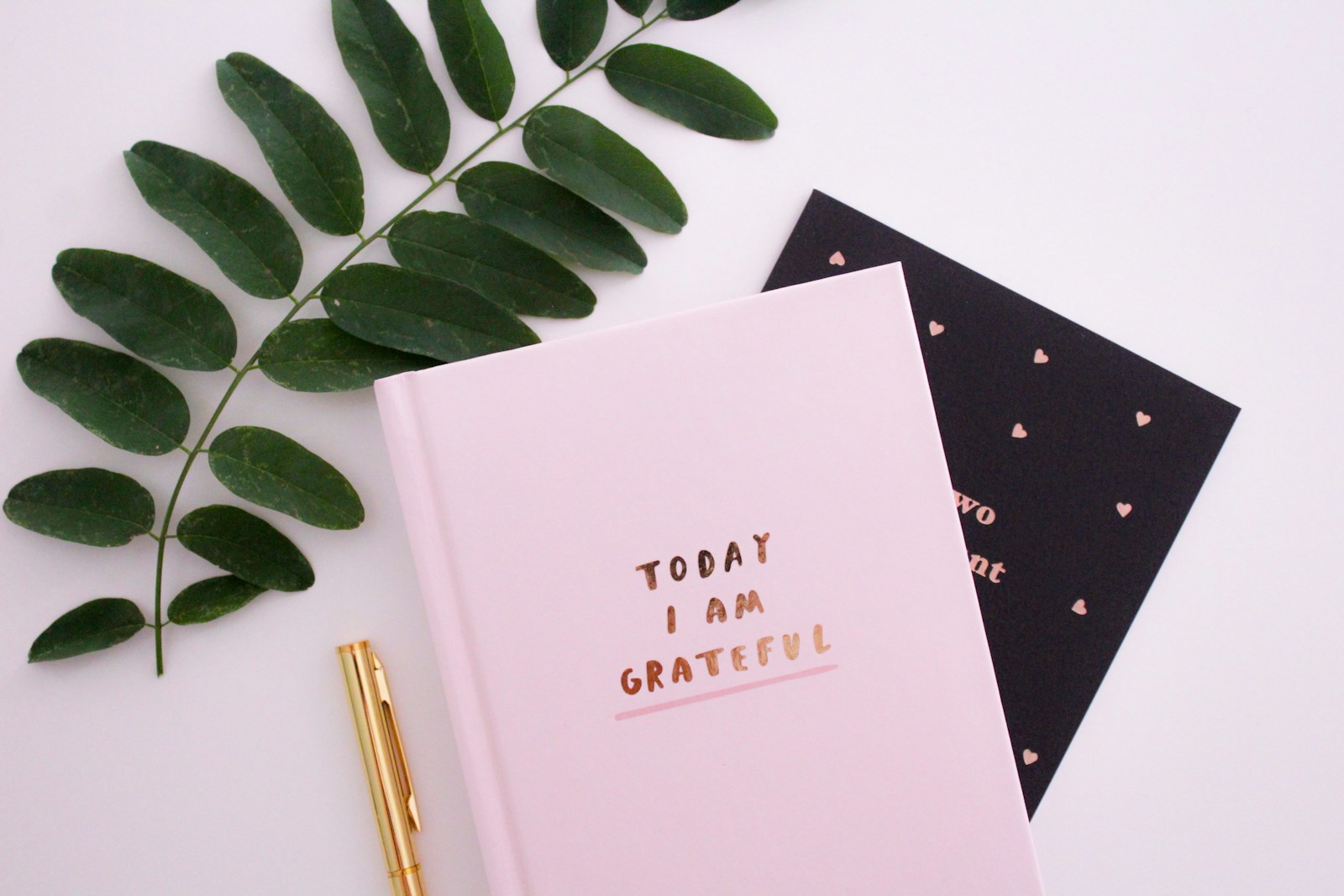
The first time I opened a habit tracker, I treated it like a scoreboard. Boxes to fill. Streaks to protect. I checked off “water,” “walk,” “read,” and felt that pleasing little click of progress. Then a chaotic week blew through, the streak snapped, and a quieter question arrived: Is this helping me change, or just helping me count? That’s the hinge moment — when a tracker either stays a superficial to-do list or becomes a daily decision-making tool. The difference isn’t aesthetic. It’s knowing how to pull value from it every single day.
Here’s a practical, research-aware way to turn that grid into a system that lifts your mood, energy, and focus — not merely your streak count.
Table of Contents
- Why Habit Trackers Work: The Science Behind Habit Tracker Benefits
- A Daily Rhythm for Habit Tracker Benefits: The 5-Minute Ritual
- Optimize Your Metrics to Multiply Habit Tracker Benefits
- Design for Easy Wins: Floors, Ceilings, and Streak Insurance
- Implementation Intentions: The Habit Stack That Holds Under Pressure
- Make Your Environment Do the Heavy Lifting
- Track Energy, Not Just Effort
- Use Small Windows That Beat Procrastination
- Build Accountability You Actually Enjoy
- Measure What Actually Improves Health and Focus
- Turn Reflection Into Your Superpower
- Design for ADHD Brains and Busy Seasons
- Your Daily Habit Tracker Checklist (Without the Fluff)
- Data You Can Trust, Choices You Can Change
- What You’ll Start Noticing
- If You Remember Only One Thing
- Expert-Backed, Workable Next Steps for Today
- Closing Thought
- The Bottom Line
- About 60-Second Recap + CTA
- References
Key Takeaways
- Treat your tracker as a mirror, not a judge; focus on learning from daily feedback.
- Pick three input-focused habits, write if-then plans, and set tiny floors you can always hit.
- Design your environment to reduce friction and track energy to match habits to your state.
- Reflect quickly each night; adjust weekly by keeping what works and removing one friction.
- Consistency beats perfect streaks — clarity, simplicity, and compassion make habits stick.
Why Habit Trackers Work: The Science Behind Habit Tracker Benefits
Why it works: The brain runs on loops of action and feedback. Self-monitoring — simply observing and recording what you do — is one of the most reliable behavior-change levers we’ve got. A widely cited review of weight-loss studies found that people who tracked behaviors like food intake more consistently lost more weight than those who didn’t (Burke et al., 2011). It isn’t the perfect chart that moves you. It’s the act of noticing. Attention creates room for adjustment.
How to use it daily: Decide your tracker is a mirror, not a judge. Keep it open on your phone’s first screen or on paper where it will interrupt your autopilot. Your job each day is to learn one thing: Did I do what I intended? If not, what blocked it? You’re building a feedback loop that sharpens with every check-in.
“Self-tracking turns vague intentions into observable moments. When you can see it, you can shape it. And the more immediate the feedback, the faster the habit stabilizes.”
— Dr. Sarah Chen, Clinical Psychologist and Behavior-Change Researcher
I agree — a clean mirror beats a harsh critic.
A Daily Rhythm for Habit Tracker Benefits: The 5-Minute Ritual
Why it works: Willpower wobbles as the day wears on; front-loading decisions reduces later friction. The American Psychological Association notes that planning ahead and using specific “if-then” rules preserves self-control and boosts follow-through under stress.
How to use it daily (5 minutes, morning):
- One-sentence intention: Ask, “What kind of day am I building?” Write a line that points your compass — “Steady + kind + focused” beats a vague wish.
- Choose your 3: Select the three habits that matter most for today’s outcomes (sleep, movement, deep work, hydration, meds).
- If-then plan: Anchor each habit to a cue. “If I make coffee, then I fill my water bottle.” “If it’s 12:30, then I walk for 10 minutes.” “If I open my laptop, then my phone goes in another room.”
- Set the floor: Define the minimum that counts. Ten push-ups. Two minutes of journaling. One page read.
- Pre-reward: Decide your tiny celebration — a breath, a smile, a deliberate checkmark you savor for two seconds.
Optimize Your Metrics to Multiply Habit Tracker Benefits
Why it works: Not every checkbox measures what matters. “Input metrics” (minutes walked, pages read, meds taken) are controllable; “outcome metrics” (weight, grades) depend on many variables. Input tracking gives you agency today and compounds across weeks.
How to use it daily:
- Track inputs: Minutes, reps, deep-work blocks, glasses of water, meds on time.
- Keep binary simple: Use Yes/No for habits that don’t need nuance (vitamins? yes/no).
- Use a 1–3 scale for nuance: 1 = floor, 2 = solid, 3 = stretch.
- Protect the signal: If a habit isn’t tied to a real benefit, drop it. The tracker should reflect what moves the needle.
Mini case study: When Maya, 28, was navigating a divorce last fall, her 12-habit grid collapsed under stress. She pared down to three inputs that correlated with her mood: sleep before midnight, 20 minutes outside, one focused work block. Two weeks in, she wasn’t flawless — but she was steadier. The tracker became a stabilizer, not a stressor.
Design for Easy Wins: Floors, Ceilings, and Streak Insurance
Why it works: Habits stick when starting is nearly frictionless. Floors protect you from all-or-nothing. Ceilings prevent a single overzealous day from boomeranging into burnout.
How to use it daily:
- Floors: The smallest, almost embarrassingly easy version you’ll do on a rough day.
- Ceilings: Cap early enthusiasm to protect recovery — for example, 30 minutes max for a new running habit in month one.
- Streak insurance: Use a “never miss twice” rule. If today slips, tomorrow is your deliberate comeback.
Implementation Intentions: The Habit Stack That Holds Under Pressure
Why it works: Specific “if-then” statements cue the brain’s autopilot — and they work across behaviors. Large-scale reviews show implementation intentions increase goal attainment by linking a cue to an action in advance. Clarity beats intensity.
How to use it daily:
- Stack onto anchors you already do:
- If I brush my teeth at night, then I lay out my workout clothes.
- If I end lunch, then I take a 7-minute walk.
- If I sit down to work, then I start with 10 minutes on Priority A.
- Write the exact cue, time, and place in your tracker note. Specificity outruns enthusiasm when the day gets loud.
“Ambition loves intensity; habits love clarity. When you choose the when, where, and what ahead of time, you remove 80% of the friction. The habit tracker is where that clarity lives.”
— Olivia Reyes, PhD, Neuroscientist (Habit Learning)
Make Your Environment Do the Heavy Lifting
Why it works: Much of what we call “self-control” is better design. Defaults drive behavior. Visible cues trigger routines; friction blocks them.
How to use it daily:
- Place cues in your path: Yoga mat by the bed. Water bottle on your laptop. Book on your pillow. Meds beside your toothbrush.
- Add micro-friction to temptations: Phone in another room during deep work. Sweets on a high shelf, single-serve. TV remote in a drawer.
- Bundle rewards: Podcasts only on walks. Fancy coffee only after your first deep-work block.
Track Energy, Not Just Effort
Why it works: Behavior runs through context — sleep, stress, timing. If you don’t track your state, you’re guessing at cause and effect.
How to use it daily:
- Add a quick mood/energy emoji or a 1–5 score each day.
- Look for patterns: Low-energy mornings? Move workouts earlier, or shorten them. Afternoon slump? Try a standing task or a 10-minute outdoor reset.
- Match habit difficulty to energy: On a 2/5 day, hit your floors. On a 5/5 day, reach for a ceiling-level stretch.
Use Small Windows That Beat Procrastination
Why it works: Starting is the steepest hill. Short “start-lines” reduce resistance; time-boxing keeps tasks from swallowing the day.
How to use it daily:
- Two-minute start: Open the doc. Lace the shoes. Set the timer. That counts.
- Ten-minute rule: On low-motivation days, do ten minutes; you can stop after. Most days, you won’t.
- Visual countdowns: A visible timer nudges urgency and focus — a kitchen clock still works.
Build Accountability You Actually Enjoy
Why it works: We’re social. Light-touch accountability improves follow-through, especially when the tone is supportive rather than punitive.
How to use it daily:
- Share a screenshot of your top three habits with a friend working on their own goals.
- Join a small group chat where you post “floor” wins and a brief reflection.
- Keep it positive: No shaming. The only rule is “show up and share one takeaway.”
“Accountability sticks when it feels like belonging, not surveillance. A supportive check-in can double as a mood boost, which makes tomorrow’s action more likely.”
— James Patel, MPH, Behavioral Epidemiologist
Measure What Actually Improves Health and Focus
Why it works: Some behaviors act like keystones; they lift everything else. Movement, sleep, and stress regulation deliver outsized returns.
How to use it daily:
- Give your keystone habits prime placement in your tracker and in your schedule.
- Convert weekly targets to daily floors: 20–30 minutes of walking most days moves you toward WHO targets without heroics.
- Pair sleep with an environmental cue: If it’s 10:30 p.m., then the phone goes on the charger outside the bedroom.
Turn Reflection Into Your Superpower
Why it works: Tracking without reflection is just a diary of checkmarks. Reflection turns patterns into choices.
How to use it daily and weekly:
- End-of-day micro review (60 seconds): What helped? What got in the way? What will I change tomorrow?
- Weekly reset (15–20 minutes): Scan trends. Keep three habits. Edit or drop one. Remove one friction. Celebrate one win you’d repeat.
- Write it in your tracker notes. Make next week one notch easier to start.
Design for ADHD Brains and Busy Seasons
You might be frustrated if you’ve tracked before and “fell off.” If your brain craves novelty or has working-memory gaps, tracking can feel thrilling for a week and stifling the next. There’s a middle path — structure with oxygen.
Why it works: Externalizing memory (writing it down, alarms, visual cues) reduces cognitive load. Short sprints, variety, body-doubling, and immediate rewards nudge engagement upward.
How to use it daily:
- Single-view dashboard: Keep your three daily habits visible on one screen or one card.
- Movement first: A five-minute “reset” before focus work to prime attention.
- Body-double: Work alongside a friend on video for the first 20 minutes.
- Immediate check-off: Mark the habit the moment you finish to capture that small dopamine bump.
- Swap boredom, not the habit: Keep the “what” stable (deep work), vary the “how” (location, playlist, method).
Case study: Jordan, 31, started with a complex tracker and burned out by week two. He shifted to a 5-minute morning plan — three habits, floors, if-then plans — and a 60-second evening review. Within a month, he averaged 6,500 more steps per day and added three deep-work blocks weekly. The habits were modest; the identity shift was major: “I’m finally the kind of person who follows through.” It’s not glamorous, it’s effective.
Your Daily Habit Tracker Checklist (Without the Fluff)
- One clear intention for the day
- Three priority habits that matter right now
- Floors defined, ceilings set
- If-then plans written next to each habit
- Inputs tracked, not just outcomes
- Quick mood/energy rating
- A tiny celebration after each check
- A 60-second nightly reflection
Data You Can Trust, Choices You Can Change
Why it works: Progress compounds when feedback is granular and compassionate. In the Burke review, consistent self-monitoring was strongly associated with better outcomes — and frequency mattered.
How to use it daily:
- Make your tracker effortless to open and update.
- Keep notes short but specific. “Walked 12 min during call; calmer after.”
- Treat misses as information. “Phone in bed” last night? Tomorrow’s if-then: “If it’s 10:30 p.m., then phone goes to the kitchen.”
What You’ll Start Noticing
- Peaks and dips in your energy
- Which habits are true keystones for mood and productivity
- The best windows for deep work
- Tiny design tweaks that make good choices automatic
If You Remember Only One Thing
Make your habit tracker a daily conversation with yourself. Choose three habits that matter, write the if-then, set the floor, capture the win, and learn from the miss.
Expert-Backed, Workable Next Steps for Today
- Pick 3 habits for tomorrow that change how you feel or perform.
- Write an if-then trigger for each. Put it in your tracker note.
- Set a floor you can win on your worst day.
- Decide your tiny post-check reward.
- Tonight, lay out one cue in your environment for the morning.
Closing Thought
When used with intention, a tracker stops being a scoreboard and becomes a compass. Keep your focus on small inputs you can control, reflect quickly, and redesign tiny pieces of your day. That’s how you maximize habit tracker benefits without burning out — and how you build a future you’re eager to live in.
The Bottom Line
Simple, input-focused tracking plus tiny daily reflection wins over perfection every time. Anchor three high-impact habits to clear cues, make the easiest version inevitable in your environment, and adjust based on energy. Consistency built this way is kind, sustainable, and powerful.
About 60-Second Recap + CTA
Daily tracking works when it’s simple, specific, and kind. Choose three keystone habits, attach if-then plans, keep floors tiny, and reflect fast. Measurable inputs, not perfect streaks, unlock the biggest habit tracker benefits. Ready for support that understands real brains and real schedules? Try Sunrise – ADHD Coach for smart habit tracking and planning: Download Sunrise – ADHD Coach and start your easiest streak yet.
References
- Centers for Disease Control and Prevention (CDC) — Sleep and Sleep Disorders Data and Statistics: https://www.cdc.gov/sleep/data_statistics.html
- World Health Organization (WHO) — Physical Activity Fact Sheet: https://www.who.int/news-room/fact-sheets/detail/physical-activity
- Mayo Clinic — Exercise and stress: Get moving to manage stress: https://www.mayoclinic.org/healthy-lifestyle/stress-management/in-depth/exercise-and-stress/art-20044469
- American Psychological Association (APA) — What You Need To Know About Willpower: The Psychological Science of Self-Control: https://www.apa.org/topics/personality/willpower
- National Institutes of Health (NIH) / PubMed Central — Self-Monitoring in Weight Loss: A Systematic Review of the Literature (Burke et al., 2011): https://www.ncbi.nlm.nih.gov/pmc/articles/PMC3268700/
- Centers for Disease Control and Prevention (CDC) — Write SMART Objectives: https://www.cdc.gov/phcommunities/resourcekit/evaluate/smart_objectives.html