Table of Contents
- Understanding Habits and Consistency
- Why Consistency Matters
- Steps to Build Good Habits with Consistency
- Start Small
- Set Clear Goals
- Create a Routine
- Use Visual Cues
- Track Your Progress
- Make It Enjoyable
- Stay Accountable
- Be Forgiving
- Wrapping Up
- References
Understanding Habits and Consistency
First off, what exactly is a habit? Charles Duhigg, in his insightful book The Power of Habit, describes it as a sequence of three stages: a cue, a routine, and a reward. You’ve got the cue—a signal for your brain to kick off a behavior—the routine itself, and the reward you receive from completing that routine.
Consistency, meanwhile, involves sticking to a behavior regularly over time. It’s the cornerstone of making actions automatic. There was a study, back in 2010, in the European Journal of Social Psychology suggesting that it typically takes about 66 days for something to become a habit, though it can vary depending on what you’re trying to do.
Why Consistency Matters
Consistency plays a vital role because it strengthens the neural pathways in our brain that govern behavior. Repeating an action makes these pathways stronger, eventually making the action feel almost instinctive. Beyond that, a consistent routine boosts emotional health and productivity.
According to the Statistic Brain Research Institute, only a tiny 8% of people stick to their New Year’s resolutions, often because they fall short on consistency. Crafting a plan that prioritizes consistency is crucial for achieving lasting change.
Steps to Build Good Habits with Consistency
1. Start Small
Embarking on the journey of habit-building starts with simplicity. Rather than overwhelming yourself with massive changes, break them into small, manageable steps— the concept of “micro-habits.” For instance, if your aim is daily exercise, begin with just five minutes. BJ Fogg at Stanford University has pointed out that starting small enhances the odds of sticking with it long enough for it to become a habit.
2. Set Clear Goals
Knowing precisely what you aim to achieve helps immensely. Apply the SMART criteria (Specific, Measurable, Achievable, Relevant, Time-bound) for goal-setting. Such clarity acts as a guide through the complex process of habit formation.
3. Create a Routine
Link your new habit to something you’re already doing. This technique, called “habit stacking,” suggests piggybacking a new action onto an established one. James Clear, in his popular book Atomic Habits, insists that having a routine minimizes decision fatigue, making new habits more consistent.
4. Use Visual Cues
External reminders are key to consistency. Simple mechanisms like a checklist, sticky notes, or phone alarms can serve as cues, constantly reminding you of your new commitment. Research supports the crucial role these environmental cues play.
5. Track Your Progress
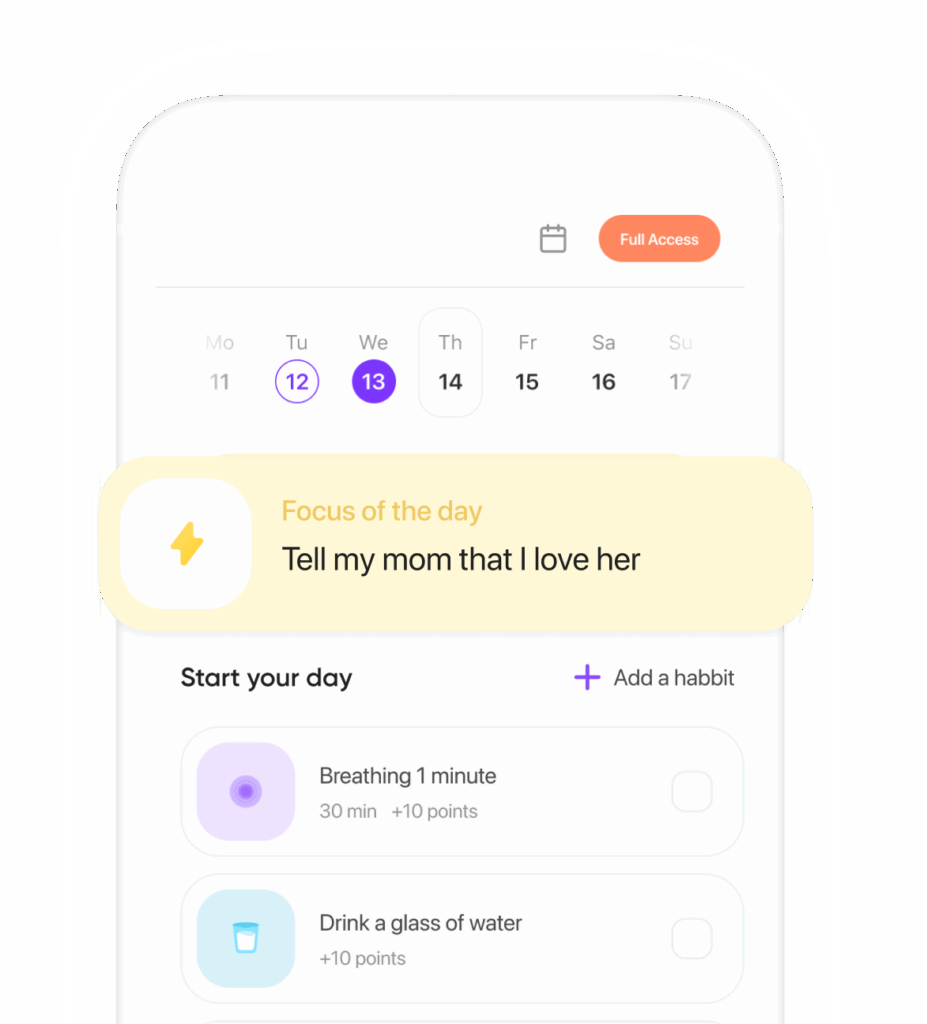
Keeping tabs on your progress is motivational. A journal or app works well for maintaining a record of what you’ve done each day. This not only provides a sense of accomplishment but also helps pinpoint any patterns or obstacles.
6. Make It Enjoyable
Link your habit to positive emotions. Find ways to enjoy the process, because enjoyable habits are more likely to stick. Whether it’s listening to music, rewarding yourself, or changing your environment, make sure the routine is something you look forward to.
7. Stay Accountable
Accountability is an effective motivator. Sharing progress with friends or joining a group can spur you into maintaining consistency, offering both encouragement and feedback.
8. Be Forgiving
Understand that consistency doesn’t mean flawless execution. There will be days you miss the mark— and that’s perfectly normal. It’s all about bouncing back quickly. Antony Kidman’s study in Psycho-Cybernetics highlights that forgiving oneself for slip-ups can prevent negative cycles and maintain motivation over time.
Wrapping Up
Consistent habits are a powerful tool for meaningful and lasting change. By beginning with small steps, setting definite goals, establishing routines, using visual cues, keeping track of your progress, making your habits enjoyable, staying accountable, and forgiving your slips, you can build habits that enhance your daily life. Remember, consistency isn’t about never making mistakes; it’s about perseverance and resilience.
Start incorporating these methods now, and you’ll be on your way to a life enriched by productive habits, all grounded in the power of consistency.
References
- Duhigg, Charles. The Power of Habit: Why We Do What We Do in Life and Business. Random House, 2012.
- Lally, P., et al. (2010). How are habits formed: Modelling habit formation in the real world. European Journal of Social Psychology, 40(6), 998-1009.
- BJ Fogg’s Behavior Model: https://behaviormodel.org/
- Clear, James. Atomic Habits: An Easy & Proven Way to Build Good Habits & Break Bad Ones. Avery, 2018.
- Kidman, Antony S. Psycho-Cybernetics: A New Technique for Using Your Subconscious Power. Pocket, 1988.