Table of Contents
- Why Good Habits Matter
- Understanding the Mechanics of Habit Formation
- Starting with Identity: Who Do You Want to Be?
- Why Identity Works
- Practical Steps to Build Good Habits for Lasting Change
- Overcoming Common Pitfalls
- A Closing Story
- The Bottom Line
- References
Key Takeaways
- Starting with small, manageable changes can lead to significant improvements over time.
- Your identity influences your habits; aligning habits with your self-image is essential for motivation.
- Establishing a system of cues, routines, and rewards can help automate good behaviors.
- Creating accountability and a supportive environment fosters commitment to new habits.
- Obstacles are common, but recognizing and adjusting strategies can lead to lasting change.
Imagine it’s the crack of dawn, 6:30 a.m. Your alarm rings. Half asleep, you grab your phone. You planned to let yourself snooze for just five more minutes. But, of course, the rabbit hole of Instagram beckons, and before you know it, there goes half an hour. Déjà vu, right? This sort of scene plays out in countless bedrooms—illustrating the universal struggle with procrastination, those tantalizing Netflix episodes, and the myriad small habits that steer us off course. The real magic happens when you learn the art of habit-building. Master this, and it can transform your life, reviving productivity and reclaiming your time for what truly counts.
Why Good Habits Matter
Taming the beast of bad habits feels a bit like wrestling an octopus; too many arms, each pulling in opposite directions. James Clear, the brilliant mind behind Atomic Habits, once called habits “the compound interest of self-improvement.” Habits, for better or worse, define your success. In Clear’s research—which became wildly popular back in 2018—he asserts that a mere 1% daily improvement compounds and results in being nearly 37 times better in a year (Clear, “Atomic Habits”). It’s not about Herculean willpower but crafting a system that mirrors the person you long to become.
Understanding the Mechanics of Habit Formation
Before jumping into the “how,” you must decipher the psychology behind habits. Dr. Wendy Wood, from the University of Southern California, points out that approximately 43% of our daily deeds are habit-driven. These actions aren’t accidental. They spring from contexts like places, emotions, and other triggers that cue your brain (USC News). Grasp this cue-routine-reward loop, and it becomes a bit easier to tweak it.
Starting with Identity: Who Do You Want to Be?
Meet Maya. A 28-year-old navigating the chaotic waters of a divorce while her career teeters between overwhelming and exhaustive. Stability seemed nowhere in sight until—rather than setting some monumental goals—Maya asked herself one pivotal question: “What kind of person do I want to be?” Her revelation? A resilient, health-oriented individual. Simple yet profound, this single identity shift steered her actions. When tempted to skip a workout, she just reminded herself of who she was meant to be.
Why Identity Works
Habits that align with identity foster intrinsic motivation. Simon Sinek, in his compelling work Start with Why, argues that “people don’t follow what you do; they follow why you do it.” When your routines echo your true self, there’s a lower chance you’ll abandon them. They aren’t just tasks; they’re expressions of who you are.
Practical Steps to Build Good Habits for Lasting Change
Now for the exciting bit: putting strategies into play to forge habits that last. Forget waking at 5 a.m. or downing green smoothies. The key lies in crafting a structure that reinforces who you strive to be.
- Start Very Small
Overhauling your life sounds appealing but starting small packs a punch. Stanford’s Dr. B.J. Fogg promotes the “Tiny Habits” approach, advising you to shrink tasks to the size of pouring a morning glass of water.
“Celebrate small victories,”
— B.J. Fogg
- Use the “Two-Minute Rule”
A straightforward idea: tasks that don’t take longer than two minutes merit immediate completion. Want to read more? Begin with a single page. Once started, that small action often propels you further.
- Implement the “Cue, Routine, Reward” Model
Hacking your habit loop begins with identifying what triggers behavior. Want to stop late-night snacking? Ask what’s behind it—is it hunger, stress, boredom? Pinning down the cue lets you replace or cut it.
“Recognizing cues is crucial for habit reform.”
— Charles Duhigg, Author
- Make It Immediately Satisfying
Immediate gratification works wonders. Post-run, treat yourself to a tasty yet healthful smoothie. Dr. Sarah Chen, a behavioral psychologist at NYU, explains,
“Our brains are wired to repeat actions that feel good—immediate rewards fast-track long-term habits.”
— Dr. Sarah Chen
- Create an Accountability System
Having accountability changes the game. Whether it’s a pal or online updates, external checks increase your stick-to-it likelihood. An article in the American Journal of Lifestyle Medicine underscores that social support boosts exercise commitment (SAGE Journals).
- Redesign Your Environment
Your surroundings quietly sway your decisions. Craving healthier eating? Keep fruit visible instead of chips. Cornell University’s Food and Brand Lab found that such strategic placement nudges choices favorably (Cornell University).
Overcoming Common Pitfalls
Even with a solid start, obstacles will arise. Let’s explore some common barriers:
- Resistance to Change
Blaming laziness is easy. More often, it’s just familiarity—our brains crave predictable patterns. Recognize where you stumble, reevaluate, and tweak your methods till they mesh with your life.
- Over-Reliance on Motivation
Motivation is fleeting; discipline and established systems are your true allies. Dr. Michelle Segar, a health psychologist, emphasizes nurturing joy-driven habits over obligation-driven ones (University of Michigan).
A Closing Story
Picture Tom, a young professional whose productivity was always a struggle. Inspired by habit strategies, Tom crafted a morning routine brimming with brief meditation and a bit of journaling. While there were bumps, refining cues and rewarding himself with small indulgences made the habit stick. Tom’s productivity surged, paving the way for hobbies he’d shelved.
Sound familiar? The journey to establish lasting habits isn’t an overnight affair. Every tiny step takes you closer to who you wish to be. As you repeat these intentional routines, you sculpt tomorrow’s self.
Imagine the transformation in your life. Picture bidding farewell to chaos, welcoming a calm, confident self, illuminated by habits that underscore self-worth, strength, and joy.
The Bottom Line
Establishing good habits is a powerful journey towards personal empowerment. Each small adjustment creates a ripple effect in your life, leading you closer to the individual you aspire to be. Embrace the process, stay consistent, and enjoy the progress.
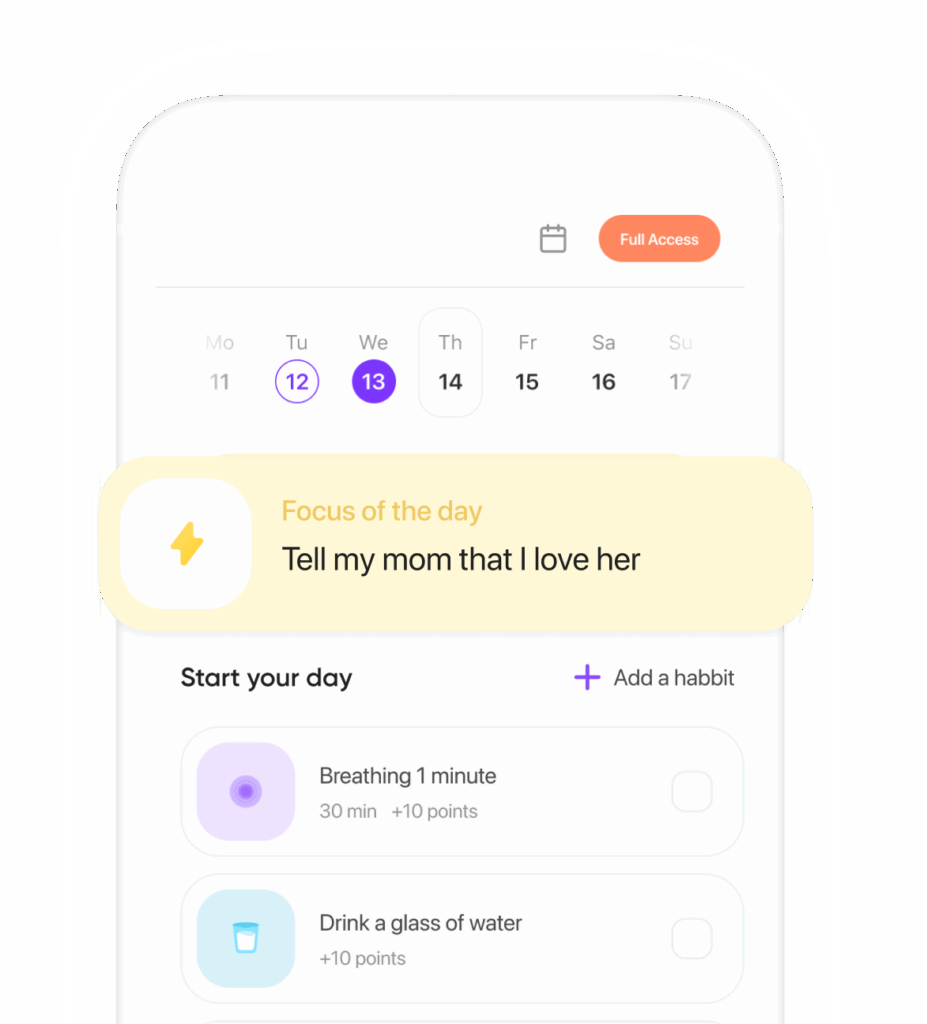
Find your morning magic with Sunrise – ADHD Coach, a leading app in habit tracking, focus tools, and AI-powered daily planning designed for ADHD minds. Download here: Sunrise – ADHD Coach. Embrace lastingly transformative habits, starting today.
References