As the sun peeked through the blinds, casting a soft glow on the room, Maya, 28, looked at the pile of abandoned morning routine journals by her bed. The notion of constructing good habits seemed so promising yet remained as intangible as a fleeting moment of clarity amidst life’s chaos. Sound relatable? Many of us crave the stability of well-formed habits but wrestle with making them stick. This journey isn’t just about willingness—it invites a thoughtful strategy backed by science and driven by actionable steps.
The Power of Habit: Why Consistency is Key
Think about brushing your teeth each morning. It’s an automatic drill, illustrating the sway of habits—routine behaviors demanding little conscious decision. A study in the European Journal of Social Psychology once hinted it takes, on average, 66 days to cement a new habit. These routines free up mental resources for bigger decisions that truly demand your attention.
“Habits are the brain’s means of automating frequent tasks to conserve energy.”
— Dr. Sarah Chen, Clinical Psychologist at NYU
By embedding activities like exercise or reading into your daily lineup, you can transform how you experience every day.
Understanding Habits Through the Habit Loop
Before we dig in, understanding the neurological loop forming habits—the cue, the routine, and the reward—is crucial. Charles Duhigg, in “The Power of Habit,” highlights how setting a cue (like laying out workout gear the previous night), following the routine (exercising in the morning), and receiving a reward (a burst of energy or sense of accomplishment) strengthens the loop, boosting consistency.
Why We Struggle with Consistency
Struggling to maintain a habit? You’re in good company. The challenge often traces back to motivation and how our brains handle novelty. Motivation isn’t static; it ebbs and flows, making those goals seem reachable one moment and elusive the next.
“If the brain senses a disruption in homeostasis, it resists change.”
— Dr. Judith Beck, Cognitive Behavior Therapy Specialist
This resistance sheds light on why we fall into cycles of starting and stopping habits. But don’t fret—there’s solid science to chart your course.
Turning Intentions Into Actions: Building Good Habits
Start With Small and Manageable Tasks
The best approach to fostering habit-building? Start small. Picture attempting a marathon with zero training. Instead of a grand target like reading an hour daily, why not begin with just 10 minutes? It echoes the Kaizen approach, recognizable in Lean manufacturing, underscoring the power small, incremental tweaks wield in prompting substantial change over time.
How to Do It: Pick one straightforward task tied to your desired habit and commit to it daily for two weeks—like reading a single page before bed or a 10-minute stretch session post-morning coffee.
Use Triggers to Your Advantage
External triggers—environmental cues—can jumpstart habits. Exploiting them is crucial for establishing fresh routines. Say you aspire to meditate; place a cushion in a conspicuous spot to remind you.
How to Do It: Identify a clear trigger for your habit—it might be ending a commute prompts exercise or a coffee cup lies next to a book to signal reading time.
Embrace the Power of Accountability
Getting involved with a group or partner pursuing similar goals can boost your commitment significantly. Being accountable serves as an outside motivator, providing the nudge needed when you’re slipping.
The University of Aberdeen found that workout partners increased exercise frequency by 25% compared to solo efforts.
How to Do It: Join groups aligned with your habits, partner with a friend, or find a mentor. Share progress updates and set regular check-ins to discuss milestones.
Track and Celebrate Progress
Ever heard, “What gets measured gets managed?” Tracking your habit-building saga, regardless of its scale, is vital to sustaining momentum. Each milestone is a win that reinforces your progress.
Positive reinforcement—a topic well-explored in psychology—suggests rewarding actions promotes their recurrence. Celebrating achievements, however small, fuels motivation.
How to Do It: Use apps or journals to log each habit’s completion. Treat small victories with something rewarding—a new book, a leisure day, or a sweet indulgence.
Real-World Experience: Stories of Habit Triumph
Post-divorce, Maya sought to revamp her morning routine and leaned heavily on gradual modifications. She staged her mornings by planting cues for the next day’s habits, adjusting as necessary. Within two months, she’d morphed from a night owl into a dawn wanderer—dog leash in hand at sunrise, savoring the morning calm.
Similarly, Justin, a 32-year-old techie, unearthed the magic of accountability through joining a running group. Initially hesitant, he soon found companionship spurred him on, turning his reluctance into habit. A year later, he crossed the finish line of his first 10K race.
These stories illustrate that everyone can find a path to habit-building success, personalized yet universally achieving.
Strengthening Habits Over Time: Beyond the First 66 Days
Build on Existing Habits
Well-established habits can be the launchpad for others. James Clear speaks of “habit stacking,” allowing one habit to naturally signal another.
How to Do It: Once morning meditation becomes second nature, pair it with a journaling session, crafting a seamless chain of early morning productivity.
Review and Adapt Regularly
Consistency doesn’t equate to rigidity. As life evolves, so should your habits. This adaptability is key to avoiding stagnation that derails long-term habits.
Why It Works: Regular assessments allow for evaluating effectiveness and necessary tweaks, keeping habits dynamic and in tune with personal growth.
How to Do It: Conduct monthly reviews of your habits. Are they still effective? Should intensities adjust or focuses shift? Adapt accordingly.
The Road Ahead: Empowering Yourself for Consistency
Creating habitual consistency calls for patience, endurance, and adaptability. Embarking on the journey with small steps, triggers, accountability, progress tracking, and embracing flexibility paves the way for enduring success. If the route becomes tough, remember: each small stride brings you closer to a fulfilling life.
Ready to take the leap? Select one habit, apply these strategies, and watch as minimal, consistent efforts steadily transform your life.
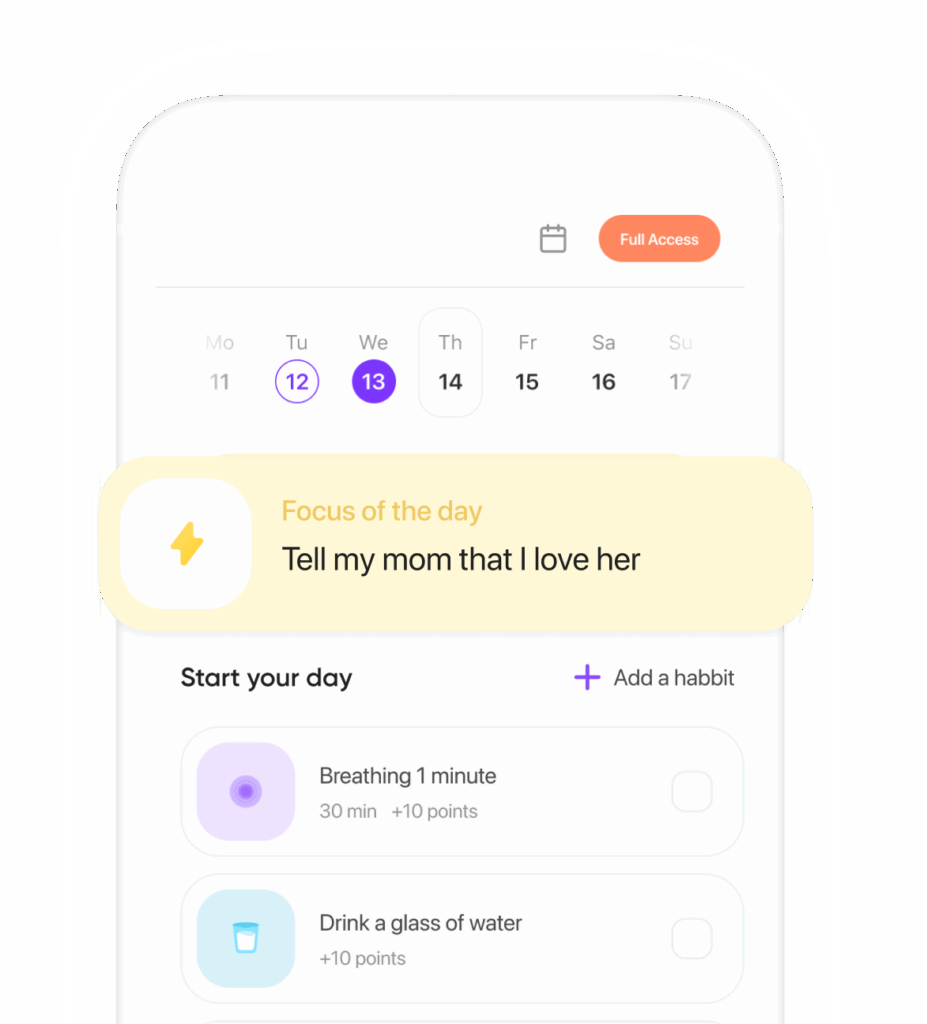
To supercharge habit-building, consider the Sunrise – ADHD Coach app. Including habit tracking and focus enhancers crafted for ADHD minds, it offers tailored approaches for achieving consistency fitting your specific needs. Download today from the Apple Store.
The Bottom Line
Creating and maintaining good habits takes time and effort, but with the right strategies in place, it’s achievable. Remember, every small step counts, and the journey toward consistency is a rewarding one.
Table of Contents
- The Power of Habit: Why Consistency is Key
- Understanding Habits Through the Habit Loop
- Why We Struggle with Consistency
- Turning Intentions Into Actions: Building Good Habits
- Real-World Experience: Stories of Habit Triumph
- Strengthening Habits Over Time: Beyond the First 66 Days
- The Road Ahead: Empowering Yourself for Consistency
Key Takeaways
- Start small to make habit-building more manageable and sustainable.
- Use environmental triggers to prompt new routines effectively.
- Accountability partners can significantly enhance your commitment.
- Track progress and celebrate small victories to maintain motivation.
- Regularly review and adapt your habits to fit your evolving life circumstances.
References
- European Journal of Social Psychology – source for context.
- Dr. Sarah Chen, Clinical Psychologist at NYU – reference for automating tasks.
- Dr. Judith Beck, Cognitive Behavior Therapy Specialist – reference for change resistance.
- University of Aberdeen – research on accountability efficacy.
- James Clear, “Atomic Habits” – reference for habit stacking.