Table of Contents
- Discovering the Foundation of Habit-Building
- Why Consistency Trumps Motivation
- Starting Small: The Key to Enduring Habits
- Real-World Context: Transforming Simple Habits
- The Influence of Environment and Community
- Navigating Setbacks: Bouncing Back from Slip-ups
- Nurturing New Habits Over Time
- Mindset: The Heart of Lasting Transformation
- Harnessing the Power of Reflection
- Journey Towards Positive Change
Key Takeaways
- Understand the cue-routine-reward loop for effective habit formation.
- Focus on consistency rather than motivation to build lasting habits.
- Start with small, manageable changes to create sustainable routines.
- Leverage your environment and community to support habit-building.
- Embrace setbacks as learning opportunities in your habit journey.
Discovering the Foundation of Habit-Building
Within the tapestry of our daily lives lie patterns and routines that guide our behavior. Take Maya, for instance. At 28, she found herself adrift after her divorce, her routines fragmented and chaotic. It was through the mindful cultivation of habits she regained her footing. Understanding the nuts and bolts of habits is crucial—habits work on a cue-routine-reward loop, a concept popularized by Charles Duhigg in “The Power of Habit”. This loop serves as your brain’s mechanism for automating repetitive tasks, conserving mental energy for bigger decisions.
“Habits are akin to grooves on a record; the more you play them, the deeper they go.”
— Dr. Sarah Chen, Clinical Psychologist
Why Consistency Trumps Motivation
Have you ever felt a surge of determination after catching a TED Talk or stumbling upon an inspiring article, only to watch it dwindle within a week? You’re certainly not isolated in this experience. Motivation is like quicksilver—it fluctuates and ebbs, easily influenced by emotions and situations. Unlike motivation, habits like brushing your teeth or sticking to a workout don’t rely on perpetual zest.
It’s all in the science. James Clear, author of “Atomic Habits,” contends that habits are more reliable than motivation because “You do not rise to the level of your goals; you fall to the level of your systems.” In this sense, systems equate to consistent routines that slowly but surely steer you toward your grander aims.
Starting Small: The Key to Enduring Habits
Begin with the manageable. Rome wasn’t constructed in a day, right? Look at the impact of a single minute adjustment: standing every hour might appear trivial, yet it cuts down the risks tied to prolonged sitting, as flagged by the Mayo Clinic. Incremental shifts lay the foundation for durable habits.
Think about habit stacking as a strategy. Suppose you’re already sipping coffee each morning. Add a couple of push-ups right before your first sip. These micro-tweaks build over time into trustworthy routines.
Real-World Context: Transforming Simple Habits
Remember Maya? Post-divorce, she honed in on her health. She opted to walk to the grocery store instead of driving, then incorporated stretches into her mornings. Fast forward a year—these modest, unwavering alterations led to a healthier body and mind, and a newfound resilience and positivity in facing life’s hurdles.
The Influence of Environment and Community
Alright, now that you’re grounded in the basics, let’s talk about environment’s role. Your surroundings wield a powerful influence on your habits. As highlighted by the Australian National University, visual cues—like strategically placing a yoga mat where you pass by it—can heighten the chances of you doing that activity. Essentially, your environment can either be a stepping stone or a stumbling block.
Community, too, holds considerable sway. Imagine habits like ripples that travel through social settings. Surround yourself with people who manifest the habits you wish to develop. If your circle is perpetually tardy, it might impact your punctuality negatively. In contrast, a community like a fitness group can stir motivation and accountability. Emily, a 31-year-old project manager, is case in point. Joining a local running club evolved her sporadic jogs into a sustained, health-boosting habit, alongside introducing her to a bevy of new acquaintances.
Navigating Setbacks: Bouncing Back from Slip-ups
Life has a knack for throwing curveballs. This makes it imperative to approach habit-building with both grace and adaptability. Don’t chase perfection; consider the journey as marked by imperfections and occasional stumbles. It’s easy to chastise oneself for skipping a day of journaling or the gym, but remember—it’s the broader pattern that counts. Self-compassion, after all, is resilience’s most trusted ally.
Instead of viewing setbacks as failures, frame them as learning avenues. Research from Harvard University highlights that seeing failure as an opportunity catalyzes resilience. Dr. Timothy Wallace, a behavioral scientist, points out that “Failures are merely raw materials for learning; they illuminate strategies that fall short.”
Nurturing New Habits Over Time
You’ve probably heard that 21 days is the magic number to form a habit, but it’s more nuanced than that. University College London’s research reveals that on average, it takes around 66 days for a habit to embed itself automatically. Comprehending that habit formation is unique to each individual can encourage patience along the path.
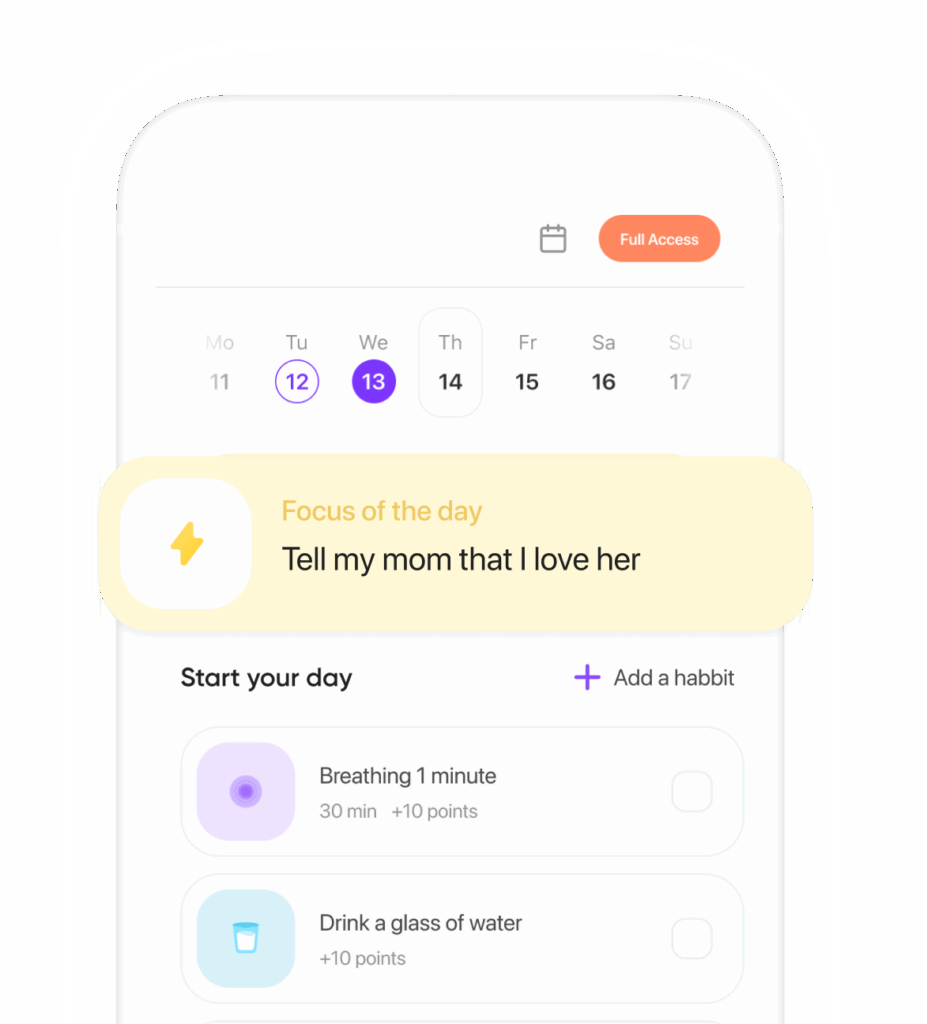
Set up milestone markers. Celebrate small wins and progress. This surge of positivity can bolster motivation despite setbacks, as seen in Maya’s wellness journey. Habit tracking tools and apps like Sunrise offer tech-savvy methods to monitor progress. These platforms subtly remind you to stay the course toward your targets.
Mindset: The Heart of Lasting Transformation
Mindset is the bedrock of enduring habit development. Practice positive self-talk and visualization to secure habits more firmly within your consciousness. Carol Dweck of Stanford University touts the growth mindset—the idea that dedication can foster abilities.
Visualizing success and using positive affirmations synergize to prepare your brain for change. Envision living your ideal habits, embodying the best version of yourself. This mental rehearsal fortifies neural pathways, bolstering practice’s attainability.
Harnessing the Power of Reflection
Reflection stands crucial. It’s not merely about performing routines but also grasping and refining them. Set intervals for assessing your routine’s efficacy and emotional impact. Mindful consideration identifies what resonates and necessitates adjustment.
For instance, Maya found her morning jogs more productive on weekends. Reflecting allowed her to tailor her schedule, sustaining a routine that supported both her mental and physical well-being.
Journey Towards Positive Change
You’re on a journey wherein every step—no matter how minor—contributes to a broader mosaic of personal growth. With tools at hand to craft habits enhancing both lifestyle and core values, realize that lasting change is feasible.
And as you stand on the brink of taking steps today, think about utilizing technology for assistance. Sunrise – ADHD Coach stands as an app designed to aid positive habit-building through technology. It offers habit tracking, daily planning, and personalized strategy—all set to help you flourish.
Embrace this chance to download Sunrise – ADHD Coach today and transform your daily habits: Sunrise ADHD Coach.
The Bottom Line
Building good habits is a journey that requires understanding, consistency, and mindfulness. By focusing on small changes, being kind to yourself during setbacks, and leveraging your environment and community, you can foster habits that lead to lasting change. Remember, technology like Sunrise – ADHD Coach can be a vital support system along the way.