Table of Contents
- The Science Behind Habit Formation
- Unpacking the Habit Loop
- Crafting a Personal Habit Framework
- The Power of Small Changes
- Sidestepping Common Pitfalls
- The Impact of Environment
- Building a Routine That Lasts
- Charting Your Path to Success
Key Takeaways
- Small, consistent changes can lead to significant improvements over time.
- Understanding the habit loop helps reinforce new routines.
- Creating a supportive environment and seeking accountability boosts habit formation.
- Progress should be monitored and celebrated to maintain motivation.
On a bright and brisk winter’s morning, Mia lay in bed staring at the ceiling, deep in thought. Since she’d been promoted, her mornings had taken on a frenetic energy—chaotic, often unpredictable. Her ambition seemed to trap her in a cycle: always starting but never quite sticking with new routines. Many of us know this dance all too well. Promising ourselves tidier schedules, healthier eating, morning workouts… only to slip back into familiar chaos. Crafting solid habits, akin to building a sturdy ladder to climb towards our potential, is no easy feat. So, how do we assemble this ladder and ensure it remains steady?
The Science Behind Habit Formation
Diving into the nitty-gritty of habit formation, we should first consider why habits develop—and why they sometimes unravel. Repeated behaviors wind their way into our neural fabric, creating routines as habitual as our morning coffee.
“Our brains create habits to conserve energy, allowing us to function with less conscious effort and freeing our minds for more complex tasks.”
— Dr. Sarah Chen, Clinical Psychologist, NYU
But here’s a tricky part: studies from 2009 suggest that while it takes about 66 days for a behavior to become automatic, many abandon new habits prematurely, often because they set their goals unrealistically high.
Unpacking the Habit Loop
The habit loop, which Charles Duhigg eloquently discusses in The Power of Habit, consists of three components: the cue, the routine, and the reward. Understanding this loop is crucial. The cue sparks behavior; the routine is what you do; and the reward, that satisfying feeling, reinforces the behavior. Ever notice a morning jog becoming oddly enjoyable? That’s the endorphins talking—your brain’s way of encouraging a repeat performance.
Crafting a Personal Habit Framework
Now, how can you construct habits that are built to last?
- Start Small: It’s easy to overwhelm yourself with grand ambitions. Begin with modest steps. Want to exercise? A brief, five-minute routine is a right start.
- Be Consistent: Consistency isn’t just key—it’s everything. Try linking your new habit to something you already do every day, like brushing your teeth at the same time each morning.
- Use Triggers: Cues are your secret weapons—place running shoes by your bed as a prompt for your morning run.
- Seek Accountability: Share your goals with friends. Their encouragement often makes the difference.
The Power of Small Changes
Why do small changes pack such power?
“Improving just 1% each day could make you 37 times better by year’s end.”
— Dr. James Clear, Author, Atomic Habits
This notion of accumulation brings success into the realm of the feasible. Take Jane, a developer swamped at work; rather than overhauling her schedule, she spent five minutes planning her next day each night. This tiny tweak had a snowball effect on her productivity.
Sidestepping Common Pitfalls
It’s all too easy to persist in bad habits when they offer tempting rewards. To tip the balance, replace those cues and rewards with new ones. Here’s a tactic: habit stacking. Pair an enjoyable activity with one that’s tougher. Want to read more? Try audiobooks during your commute.
In moments of faltering or setback, don’t give up.
“Relapses are part of the course. Reflect, adapt, and move forward.”
— Dr. Sarah Chen, Clinical Psychologist, NYU
When Alex, a new father, struggled to keep his fitness regime despite sleepless nights, he found solace in lowering expectations. Even a short 10-minute workout was still progress.
The Impact of Environment
Environment plays a cardinal role in habit formation. Messy desk? That’s an invitation for distraction. Mia found new focus once she made tidying up every Friday part of her ritual.
“Our surroundings dictate much of our behavior.”
— Dr. Wendy Wood, Professor, University of Southern California
By turning your environment into a prop for new habits, you seamlessly incorporate them into daily life.
Building a Routine That Lasts
How then, to maintain these habits over the long haul?
- Monitor Your Progress: Journaling or habit tracking creates a visible record of progress—great for motivation.
- Celebrate Milestones: Treat yourself to rewards once you hit key goals—little incentives boost perseverance.
- Reassess and Adjust: Periodic evaluation helps realign efforts and adjust goals as needed.
Consider Maya, a 28-year-old navigating life post-divorce. Her self-care routine faltered initially, but she didn’t dwell. Instead, she doubled down on yoga and meditation—realigning her habits to regain balance and resilience.
Charting Your Path to Success
The foothold of daily success begins with small, manageable changes that dovetail into our lives. By grasping how our brains form habits and tapping into the habit loop, we can curate routines that reshape our everyday existence. You’re not going to change overnight, but with persistence and a sense of strategy, your framework for well-being and success becomes possible.
Feeling like it’s time to seize control of your habits? Embrace the journey, let your environment help, and stay adaptable. The daily habits you forge become the tapestry of who you are—each piece contributing to a life richer in success and fulfillment.
The Bottom Line
Building lasting habits requires understanding the mechanisms of habit formation, starting with small changes, and maintaining consistency. Your approach must adapt and evolve, but with focused effort and the right strategies, you can reshape your daily life for greater success and fulfillment.
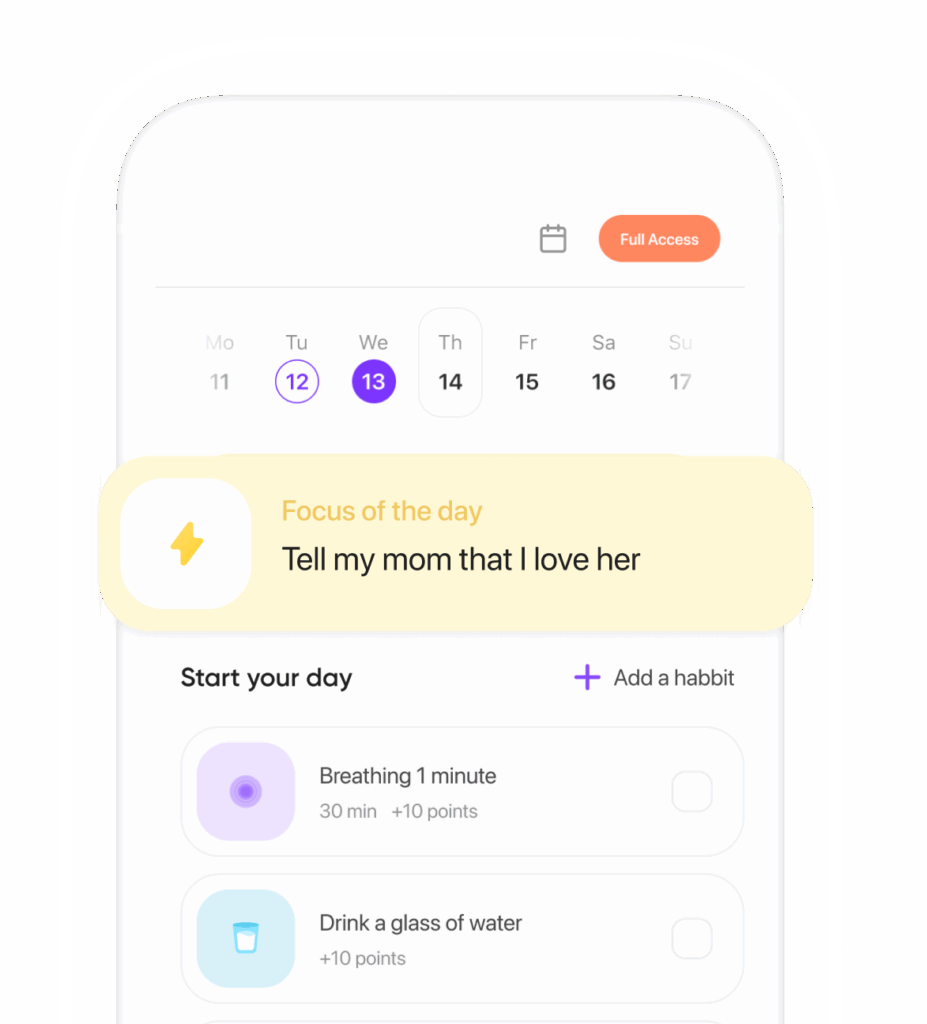
Eager to leap into a new level of productivity and peace of mind? Check out Sunrise – ADHD Coach. This app helps you track habits and organize your day for peak efficiency.
References
- Lally P, van Jaarsveld CH, Potts HW, Wardle J. How are habits formed: Modelling habit formation in the real world. European Journal of Social Psychology. 2009.
- Duhigg, C. (2012). The Power of Habit: Why We Do What We Do in Life and Business. Random House.
- Clear, J. (2018). Atomic Habits: An Easy & Proven Way to Build Good Habits & Break Bad Ones. Penguin Random House.
- Wood, W (2019). Good Habits, Bad Habits: The Science of Making Positive Changes That Stick. Farrar, Straus and Giroux.