Table of Contents
- Understanding the Foundation of Good Habits
- Unpacking Behavioral Science
- Crafting an Environment for Success
- Building Accountability Mechanisms
- The Power of Celebrating Small Wins
- Overcoming Setbacks with Resilience
- Harnessing Classic Conditioning through Routine Stacking
- Embracing Technology to Build Habits
- Reflecting and Adjusting Regularly
Key Takeaways
- Understanding the habit formation cycle helps in building consistent habits.
- Starting small is often more effective than making large changes all at once.
- Creating a conducive environment can simplify habit adoption.
- Accountability boosts motivation and adherence to goals.
- Reflecting on progress and celebrating small wins is crucial for sustaining motivation.
Understanding the Foundation of Good Habits
We’ve all been there: committing to a morning jog or promising daily meditation, only to watch our resolve vanish within a week. The secret? It’s more than just willpower; it’s about grasping how habits truly come into being. According to The Power of Habit author Charles Duhigg, there’s a cycle — cue, routine, reward — at play. Habits rely on these loops, gaining strength through repetition. So, why not anchor new habits to your current ones to enhance consistency?
Unpacking Behavioral Science
Habit formation science suggests starting small often trumps grand gestures. B.J. Fogg, renowned for Tiny Habits, champions tiny changes as a sustainable strategy. He states simply, smaller steps keep motivation high and over time, add up to major shifts.
Why’s this effective? Neuroscience shows gradual changes are less daunting for the brain. According to Stanford folks, our basal ganglia — the part responsible for forming habits — thrives on these smaller adaptations.
Crafting an Environment for Success
Ever notice how animals, from penguins to ants, are shaped by their environments? The same holds true for us. Caitlyn is a testament to this. By placing her book on her pillow each morning, she turned her bedroom into a literary haven.
Why’s this matter? Environmental cues have a hefty impact on reinforcing habits. Simplifying access or creating enticing settings reduces the mental barriers to starting.
Kickstart by reorganizing your workspace to cut distractions. For the fitness buffs? Lay out your workout gear the night before — visually reminding yourself to hit the gym.
Building Accountability Mechanisms
Accountability isn’t just about having a buddy to report to; it’s a promise to yourself too. Enter Ian, who just texted a friend daily to stick to his meditation practice.
“Studies from the Association for Psychological Science show accountability boosts goal achievement by fostering social bonds.”
— Association for Psychological Science
Thinking of trying this? Form a community or tag a friend to be your accountability partner. Regular check-ins can be incredibly grounding.
The Power of Celebrating Small Wins
In the constant churn of life, small victories often fade into the background noise. But Sarah found renewed energy by celebrating each mini-achievement, and you can too.
Why’s this crucial? Dopamine — that delightful neurotransmitter linked to rewards — spikes with those triumphs. Acknowledging these successes trains your brain to see these actions as beneficial.
Overcoming Setbacks with Resilience
Even with the best intentions, we hit snags. Remember Maya? Post-divorce, her fitness regimen floundered, but she got back on track after addressing her feelings. Setbacks aren’t the end; they’re merely detours.
“Setbacks, when approached with an open mindset, can be opportunities for growth.”
— Dr. Sarah Chen, NYU
Facing a setback? Ponder what went astray and identify those pesky obstacles. Shift focus towards solutions instead of dwelling on what skidded off course.
Harnessing Classic Conditioning through Routine Stacking
Routine stacking involves blending a new habit with an established one. Ethan, for instance, coupled his daily caffeine fix with a short gratitude journaling session.
The science? Harvard gurus say paired activities become linked in our memories, making the new habit almost as automatic as the established one.
Want to give it a shot? Find a routine you never skip—brushing your teeth, perhaps—and link it with a new habit. Add a mindful minute after your toothbrush ritual.
Embracing Technology to Build Habits
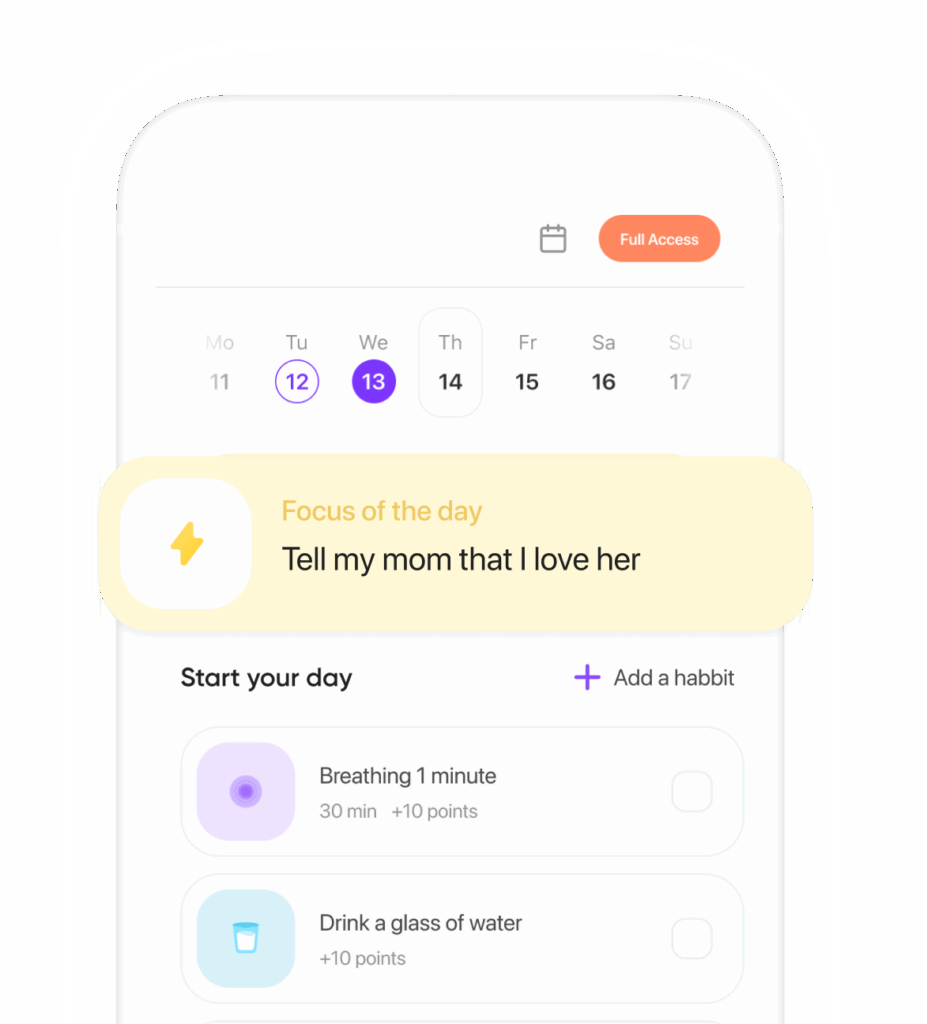
Our gadget-crazy world offers myriad apps to keep us on track. Whether fitness monitors or productivity apps, our phones might be just the accountability allies we need.
How does this help? Data shows feedback loops and tracking enhance habit adherence, activating the brain’s reward pathways. Visual progress motivates us.
Start by selecting a habit-tracking app. Define your goals, let the app nudge you with reminders, and celebrate accomplishments—big or small.
Reflecting and Adjusting Regularly
While sticking to a plan can be tempting, self-reflection is critical for ensuring our habits remain relevant. Adjusting strategies can spark renewed motivation.
Why practice this? Self-reflection fosters crucial thinking, helping align habits with evolving goals. Give this a whirl by dedicating weekly time to analyze your habits—what’s working, and what’s not. Personal growth stems from adaptability.
The Bottom Line
Ultimately, forging habits that stick, tapping into science, and effectively leveraging technology offers a coherent framework for achieving consistency. As you commit to this journey, remember that each step forward counts. Your habits not only form your days but can sculpt the life you envision.
References
- Duhigg, Charles. “The Power of Habit.”
- Fogg, B.J. “Tiny Habits.”
- Stanford University. “Environmental Neuroscience.”
- Association for Psychological Science. “Psychological Science.”
- Mayo Clinic. “Health Information.”
- Dr. Sarah Chen’s interview insights.
- Harvard University’s research.
- American Psychological Association’s feedback studies.
- National Institutes of Health’s reflection research.
Inspired? Discover Sunrise – ADHD Coach on the App Store—a tailored app to help you track habits and achieve daily consistency through personalized coaching: Sunrise – ADHD Coach.