Table of Contents
- The Magic of Consistency: Unlocking Habits that Last
- Why Building Good Habits Works
- Building Good Habits: The Strategy
- Overcoming Hurdles in Habit Building
- Building Accountability and Support
- Real-World Benefits and Transformations
- Science-Backed Motivation to Keep You Going
- Embracing Flexibility and Adaptation
- Closing: Your Next Steps Towards Habitual Success
Key Takeaways
- Building consistent daily habits can transform chaotic mornings into peaceful routines.
- Small, specific steps and mindful repetitions help in establishing new habits.
- Tracking progress can boost motivation and accountability in habit formation.
- Flexibility and adaptation are essential for maintaining habits in changing circumstances.
- Community support and shared goals enhance habit-building efforts.
The Magic of Consistency: Unlocking Habits that Last
Consider Maya. At just 28, she found herself adrift after her divorce last year. Every day felt like an emotional tempest, overwhelming and erratic. What brought her back from the edge? Crafting an array of stable daily habits. If you’re seeking that sense of balance and fulfillment, take heart—these habits aren’t just helpful; they’re within reach.
“Consistency and habit are like twins, entwined—our brains handle them as if they were muscle memory.”
— Dr. Sarah Chen, NYU
Align your habits with personal goals, and they become potent forces of transformation, shifting chaos into clarity. It’s one of those simple yet powerful truths of habit science.
Why Building Good Habits Works
At the core of habit sits a process Charles Duhigg talks about in “The Power of Habit”: the habit loop—cue, routine, and reward. It’s an elegant cycle that our brains cling to. Fascinating, isn’t it? The neurological engine behind this is the basal ganglia, pivotal for decisions and habit formation. Back in 2009, a European Journal of Social Psychology study debunked the 21-day myth, showing 66 days is more like it for automaticity (Lally et al., 2009).
Why does it work this way?
“Crafting positive habit loops is like rewiring your brain. It’s not just about will; it’s about making new pathways in your brain.”
— Dr. Claire Stevens, Cognitive Behavioral Therapist
So don’t rely solely on sheer grit—tap into the power-packed structure within your mind.
Building Good Habits: The Strategy
1. Start Small and Be Specific
Embarking on a habit journey? It can seem a touch intimidating. Remember this: every dawn begins with one small step. Pick a single habit to nurture. Perhaps you long to ignite a journaling practice or slip into five blissful minutes of meditation each morning. Specificity is key here. James Clear in “Atomic Habits” advocates for crystal-clear goals. Swap “I want to read more” for “I will read two pages of a self-help book each day at 7 a.m.” Details do make a difference.
2. Forge Cues and Build Routines
Pinpoint the triggers for your habit. Maybe it’s the scent of coffee at sunrise or the gentle ring of your 7 a.m. alarm. Maya, for instance, effortlessly linked her journaling to her morning tea. Such seamless integration into daily routines works wonders.
Then, shape the routine through mindful repetition. Initially, expect resistance—it’s only natural. But soon enough, repetition aids the habit loop, offering you a powerful sense of accomplishment.
3. Track Your Progress
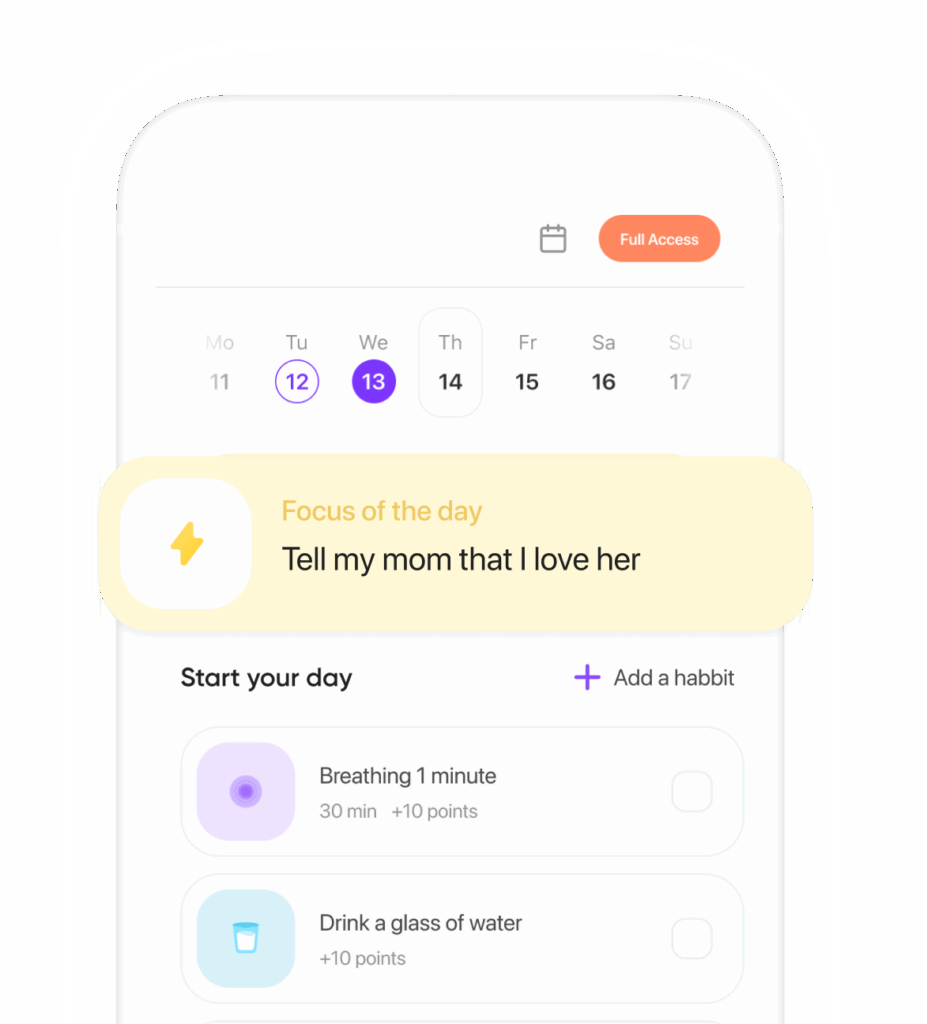
In today’s tech-saturated world, there’s an old adage: “What gets measured, gets managed”. Habit-tracking apps not only visualize progress but can ignite motivation. Apps like Habitica or Loop Habit Tracker make monitoring feel like a game. Witnessing your unbroken streaks? It’s quite the motivator to not disrupt the chain.
4. Incorporate Stacking Techniques
Pairing new habits with old ones is a clever tactic known as stacking. Consider Sydney, a freelance writer, who smoothly tied her water intake to work sessions.
“I sip a full glass of water each time I finish sorting my emails.”
— Sydney, Freelance Writer
Using routine habits as launchpads for new ones is ingenious.
5. Celebrate Small Wins
Acknowledgment is essential. Athletes revel in their gold medals, don’t they? Similarly, acknowledge your victories, however minute. Let the dopamine rush spur you on. Sometimes, it could be a silent cheer or occasionally rewarding yourself with an indulgent hour of leisure.
Overcoming Hurdles in Habit Building
Life, unpredictable as it is, likes throwing curveballs our way. Sidelined by the flu? Or maybe buried under a mountain of work? Here’s a reality check: setbacks don’t define you or your habits.
“If a quest for perfection paralyzes you, remember: it’s not about being perfect; it’s about being consistent.”
— Dr. Sarah Chen
Miss a day? That’s okay. What’s more important is the next step forward.
Building Accountability and Support
You might feel alone on your habit-building journey, but community exists quietly, ready to support. Join groups centered on habit cultivation—you’re not just finding guidance, you’re finding kinship. Platforms like Reddit’s r/habits or local meet-up groups hold treasures of collective wisdom.
Buddy systems? Don’t underestimate them. Engaging friends in shared habit pursuits exponentially boosts accountability. Sophie, a university student, discovered that a shared study routine with a friend was the anchor she needed.
Real-World Benefits and Transformations
When Joe, a software engineer, began prioritizing exercise and nutrition, he wasn’t merely seeking change for its own sake. His initial aim was simple—feel better. As these habits solidified, the benefits blossomed. Fueled by better health, his focus sharpened and productivity soared.
Studies back this up: The Mayo Clinic underscores that regular physical activity—an ambition for millions—can uplift mood, bolster energy, and shore up immune health (Mayo Clinic).
Science-Backed Motivation to Keep You Going
The debate between intrinsic and extrinsic motivation remains ever-relevant in habit sustainability. In 2010, University College London researchers highlighted that internal rewards (joy, personal convictions) often outstrip the pull of external incentives (money, accolades) when it comes to lasting habits.
“Align habits with core values. When they’re intertwined with deep-seated purposes, they transform from chores into fulfilling pursuits.”
— Dr. Claire Stevens
Embracing Flexibility and Adaptation
Sometimes, a routine demands adjustment. Life’s ebb and flow necessitates it. Flexibility is crucial. When winter mornings grew too dark for jogging, indoor workouts filled the void.
Take stock of your habits’ outcomes periodically. If they’re more ornamental than beneficial, tweak or even replace them to avoid stagnation. Adaptation is key.
Closing: Your Next Steps Towards Habitual Success
As you embark on this transformative journey of habit-building, remember: you’re not alone. From Maya’s personal revival to Joe’s professional evolution, many have walked this fulfilling path. Whether you’re fighting academic challenges or chasing career goals, habits tether you securely, offering templates for success.
Start today. Choose one habit. Set cues, reward persistence, and seek community support. Your empowered self, sculpted through mindful habit crafting, awaits its unveiling.
The Bottom Line
Building consistent daily habits can significantly enhance your quality of life, turning chaos into order. By focusing on small, specific behaviors and adapting to changes along the way, anyone can create a fulfilling and structured daily routine.
References
- Lally, P., van Jaarsveld, C.H.M., Potts, H.W.W., & Wardle, J. (2009). How are habits formed: Modelling habit formation in the real world. European Journal of Social Psychology.
- Mayo Clinic Staff. Depression and anxiety: Exercise eases symptoms. Mayo Clinic.
- University College London. (2010). Intrinsic vs. extrinsic motivation in promoting creativity. University College London Research.