Table of Contents
- What are Keystone Habits?
- Why Keystone Habits are Effective
- Identifying Your Keystone Habits
- Practical Techniques for Building Keystone Habits
- Overcoming Challenges
- Sustaining Momentum
- Conclusion: Transform Your Life One Habit at a Time
Picture this: you wake up every morning pumped and ready to start your day, propelled by routines that inch you closer to achieving your dreams. Sounds too good to be true? It doesn’t have to be. From making your bed to hitting the gym regularly, habits shape who we are. Yet, for many of us, getting these habits to stick is like juggling eggs—complex and often messy. That’s where keystone techniques really change the game.
In our hyper-connected world, brimming with demands and distractions vying for our attention, learning how to form good habits using keystone techniques could be your lifeline. These aren’t just about crafting individual habits; they focus on key strategies to nurture and sustain them — leading to a boost in productivity and personal growth.
“Keystone habits are small changes that unlock larger patterns and attitudes, essential for long-term success.”
— Dr. James Hollis, Behavioral Psychologist
Let’s dive into these keystone techniques and equip ourselves with actionable steps to seamlessly blend them into our lives.
What are Keystone Habits?
Before we jump into the ‘how-to’, let’s clarify what keystone habits are. Think of these as habits we subconsciously latch onto, triggering a domino effect that fortifies other habits. Imagine the act of exercise—it doesn’t just build muscles; it encourages healthier eating and better sleep patterns.
Take Maya, 28, for instance. After her divorce, she faced a gloomy patch. But recalling her college days, a simple keystone habit emerged. She began with just 10 minutes of reading before bed. That small step slowly rekindled her focus, uplifted her spirits, and gave her the confidence to chase loftier goals — proof of keystone power right there.
Why Keystone Habits are Effective
So you might ask, why does one tiny habit carry such weight over an entire lifestyle? It all boils down to how our brains are wired. Charles Duhigg, in “The Power of Habit,” unveils how keystone habits induce cultural shifts within our brain, paving pathways for other positive habits.
Neuroscience backs this notion too. Our brain’s basal ganglia is the hub for habit formation, while our prefrontal cortex handles decision-making. Establishing a keystone habit activates the basal ganglia, easing the cognitive load on decision-making areas, and enabling you to cultivate more positive habits smoothly (says the National Institute of Health).
Identifying Your Keystone Habits
Imagine keystone habits like the first domino in a lengthy chain reaction. Nudge it, and down the line the entire chain topples. Start by asking: what small, meaningful change am I keen on? Is it taking more walks outside or maybe embracing a new hobby? Recognize its potential ripple effects.
Step 1: Reflection
Devote some moments to pinpointing your priorities. Critically assess your current lifestyle and the habits you hope to nurture. What consistent, minor change could significantly transform your life’s facets? Jot them down; rank them by importance and practicality.
Step 2: Experimentation
Dip your toes and test the waters. Begin by adopting one habit at a time, evaluate its effects, and tweak as required. Understand it could take weeks, or at times months, for these habits to root themselves into your daily life. Yes, all grand habits evolve from small starts.
Step 3: Consistency
Consistency is the backbone of keystone habits. Building a new habit isn’t about overwhelming yourself; it’s about crafting a steady routine. Stick with it—consistency in habit formation grounds a practice into a keystone.
Practical Techniques for Building Keystone Habits
With a keystone habit tentatively in sight, how do you smoothly incorporate it into your life? Below are reliable techniques to steer you towards triumph:
- Habit Stacking: Dr. Sarah Chen, a clinical psychologist at NYU, shares, “Habit stacking combines a new habit with an old one, fostering the likelihood of cultivating a lasting routine.” For example, if meditation is on your radar, blend it with your morning coffee ritual for better odds of success.
- The Two-Minute Rule: Embark on your habit journey by dedicating just two minutes to it. These two minutes might seem trivial, but they’re potent enough to shatter procrastination barriers. Author James Clear recommends this approach: “Dominate the art of showing up—the true challenge lies in beginning.”
- Cue-Routine-Reward Framework: Every habit is a trio of a cue (trigger), routine (activity), and reward (benefit). Pinpoint these in your keystone habit. Suppose journaling for 10 minutes post-work sharpens your focus; ending the workday can be your cue, the journaling becomes the routine, and mental clarity serves as your reward (thanks to insights from the American Psychological Association).
- Accountability Partners: Rely on friends or family to support your aspirations. Share your intentions and progress. Not only does this provide external motivation, but it transforms the habit-building journey into a collective effort.
- Environmental Design: Configure your environment to make embracing keystone habits seamless. Lay out workout attire at night if exercise is your goal, or place a book on your pillow if nighttime reading is your commitment.
Overcoming Challenges
Every new habit comes with hurdles. The secret—approach these obstacles with resilience and adaptability:
Fighting Initial Resistance: New ventures often summon resistance, sourced from unfamiliarity or foreseen discomfort. Approach your journey with curiosity, not self-criticism. Initiating small and slipping occasionally is okay. What matters most is persisting through.
When Setbacks Occur: Encounter a rough patch and notice falling out of routine? Resist self-blame and reevaluate. Perhaps your habits require adjustment, or initial expectations were unrealistic. Remember Maya? She realigned goals amid challenging times and cherished even the modest victories to reignite momentum.
Sustaining Momentum
Once you’ve embarked, how do you ensure your keystone habit remains a stalwart part of your routine?
- Celebrate Wins: Acknowledge even the tiniest victories. Celebrating these not only boosts your morale but fortifies the neural pathways that anchor your habit.
- Continuous Refinement: As you evolve, so should your habits. Set aside time periodically to review and adjust your habits, ensuring they continue to serve your evolving goals.
- Emotional Reinforcement: Bind positive emotions with your habits. The joy from small achievements often lights the flame of motivation to sustain habits.
Conclusion: Transform Your Life One Habit at a Time
Creating good habits with keystone techniques opens up new avenues for a more organized, fulfilling life. It’s about more than just what you do—it’s about who you become in the process. Small, incremental changes mold your behaviors, gradually shaping your identity and perspective.
Feeling overwhelmed by life’s pressures or stalled by indecision? That’s natural. What differentiates a successful journey is the resolve to leverage keystone habits and embrace their transformative power. With the right strategies and determined mindset, you can kickstart this journey today.
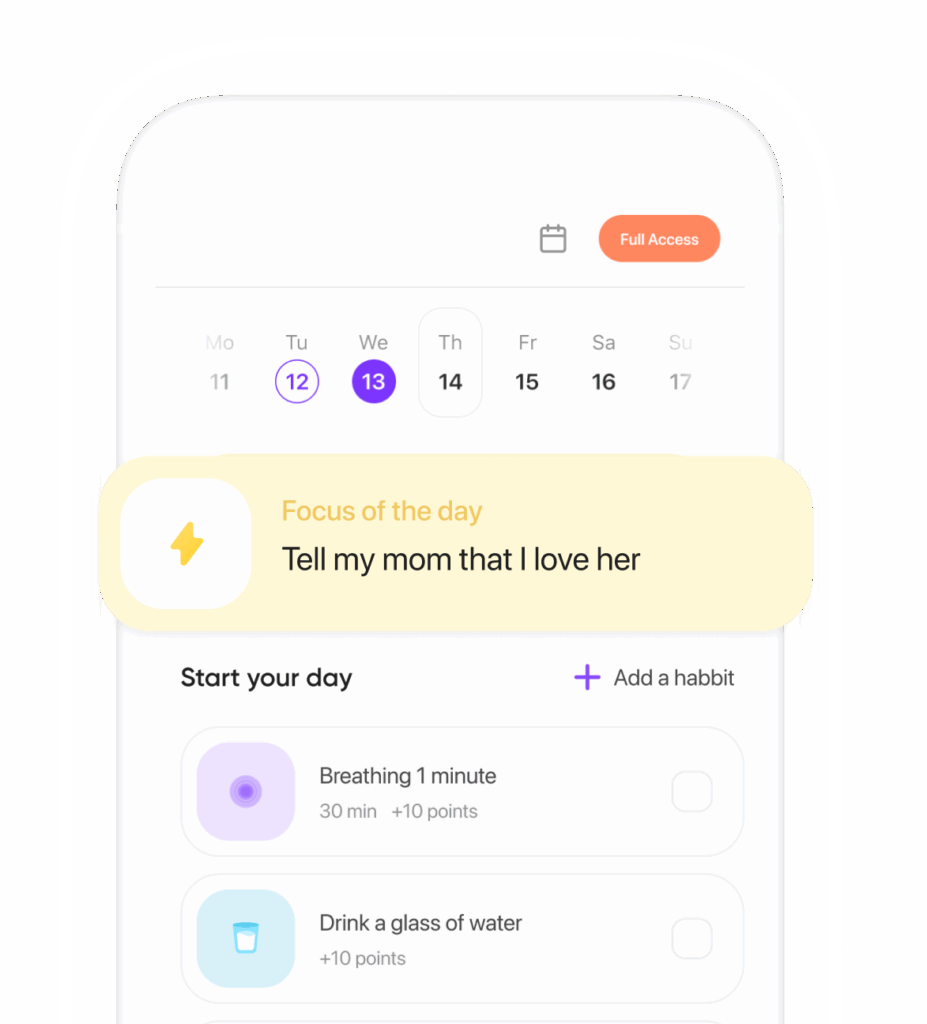
Need a guiding hand along the way? Sunrise – ADHD Coach offers tools specifically for habit tracking and focusing. Let’s walk this path together towards a brighter tomorrow—one keystone habit at a time.
Key Takeaways
- Keystone habits can trigger a domino effect, influencing other positive behaviors.
- Identifying and nurturing keystone habits can lead to significant lifestyle transformations.
- Techniques like habit stacking and the two-minute rule can enhance habit formation.
- Consistency and resilience are crucial for overcoming challenges in habit building.
- Emotional reinforcement strengthens habits, making them more sustainable over time.
The Bottom Line
Embracing keystone habits is a powerful approach to improving your life. By understanding their impact and applying effective techniques, you can foster a series of positive changes that enhance your overall well-being and productivity.
References:
- National Institute of Health. Understanding Habits.
- American Psychological Association. The Power of Habits.