Table of Contents
- The Challenge of Breaking Bad Habits
- Changing the Loop: A Neurological Perspective
- The Psychology Behind Habit Change
- Practical Approaches to Lasting Change
- Staying the Course When Motivation Dips
- Wrapping Up
Key Takeaways
- Breaking bad habits involves understanding triggers, routines, and rewards.
- Identifying your cues can lay the groundwork for change.
- Align your habits with your identity for more meaningful change.
- Start small to create lasting habits without overwhelming yourself.
- Celebrate small victories to reinforce positive behavior.
The Challenge of Breaking Bad Habits
As Charles Duhigg elaborates in “The Power of Habit,” habits are cyclical—cue, routine, reward, repeated ad infinitum, embedding themselves deep in the brain’s basal ganglia. It’s that little section driving our automatic behaviors and emotions.
“Habits quickly become second nature, making them hard to break because the brain starts to perform them with less conscious thought.”
— Dr. Roy Baumeister, Psychologist
Changing the Loop: A Neurological Perspective
Understanding this pattern is step one in breaking it. Research suggests it takes, on average, 66 days to forge a new habit—Lally’s study in 2010 laid this out clearly. So, it requires dogged determination to rewire those neural highways.
Spot the Trigger
Identifying what sets your habit into motion is critical. Consider the case of Julie, a 32-year-old teacher—she found herself snacking whenever stress hit. Journaling helped her realize it was the post-lunch doldrums that triggered her. Pinning down your habit’s cue allows you to lay the groundwork for transformation.
Modify the Routine
When you’ve nailed down the trigger, next comes altering your routine. Dr. Sarah Chen of NYU points out that substituting a bad habit with a healthier one disrupts that autopilot mode in the brain. Take Jack, a consultant; he swapped smoking for gum-chewing when anxiety struck—a simple switch that turned into a healthier response over time.
Rethink Your Reward
Completing a habit loop demands a reward. Maya, who indulged in online shopping whenever she hit a low, craved the dopamine burst of clicking ‘buy.’ By turning to a quick yoga session instead, she found a similar endorphin rush. The trick lies in discovering rewarding alternatives to banish your bad habits.
The Psychology Behind Habit Change
Understanding your habit loop isn’t enough; you must tap into the psychology driving change. The American Psychological Association stresses the importance of intrinsic motivation—a goal must come from within to truly endure. Merely changing due to obligation can fuel resistance.
Identity Matters
True change flourishes when habits align with identity. James Clear of “Atomic Habits” fame suggests asking, “What kind of person do I want to become?” Echo this in your goals. Instead of proclaiming, “I will exercise,” say, “I am someone who values fitness.” Such nuances carry hefty motivational weight.
The Role of Support and Accountability
Accountability often nudges us toward success on tough days. After Maya’s divorce, her support group became indispensable, cheering her on through journaling and evening strolls. Whether through apps, social networks, or a trusted friend, that accountability can be the difference-maker.
Practical Approaches to Lasting Change
Now let’s shift focus to practical actions you can muster up today.
Start Tiny
Sweeping resolutions can quickly crumble. Begin with minute changes. Wish to meditate daily? Start with two minutes. Slowly, you’ll build endurance and confidence, setting the stage for grander shifts. BJ Fogg of Stanford touts this as the “tiny habits” approach.
Leverage Environmental Cues
Your surroundings shape your actions. Julie rearranged her kitchen—snack jars out, water station in. By tweaking her environment, she nurtured healthier habits.
Apply the Two-Minute Rule
David Allen’s “two-minute rule” suggests jumpstarting anything daunting with a brief action. Applying this to habits makes them less intimidating. Want to exercise? Don your workout clothes; the next step feels inevitable.
Staying the Course When Motivation Dips
Staying the course is tough, especially when the initial enthusiasm wanes. You need a gameplan for these lulls.
View Failure as Feedback
Setbacks will occur. Don’t berate yourself when they do. Dr. Chen advises treating failure as informative data—not defeat. Setbacks teach us more about our triggers and stumbling blocks.
Relish the Small Wins
Celebrate those minor victories; each one fires up your brain’s reward center, encouraging more of the same. Skip your bad habit for a week? That deserves a little reward.
Embrace Mindfulness
Mindfulness helps rein in impulses. Techniques like deep breathing, meditation, and yoga anchor you—reducing stress, that frequent predecessor to succumbing to bad habits.
Wrapping Up
Breaking bad habits is less about flawless execution and more about persistent effort. Each day is a fresh chance to bolster your resolve. Wondering how to sustain this change? Constant introspection and adjustments hold the key.
Creating a framework for enduring change means understanding and modifying habit cycles, weaving habits into your inner narrative, and employing pragmatic tactics for small yet significant changes. This builds a reliable scaffold supporting your growth journey.
The Bottom Line
Breaking bad habits requires a deep understanding of yourself and your triggers. By adopting a small, steady approach and reinforcing positive changes with support and motivation, you can create the lasting habits that align with your true self.
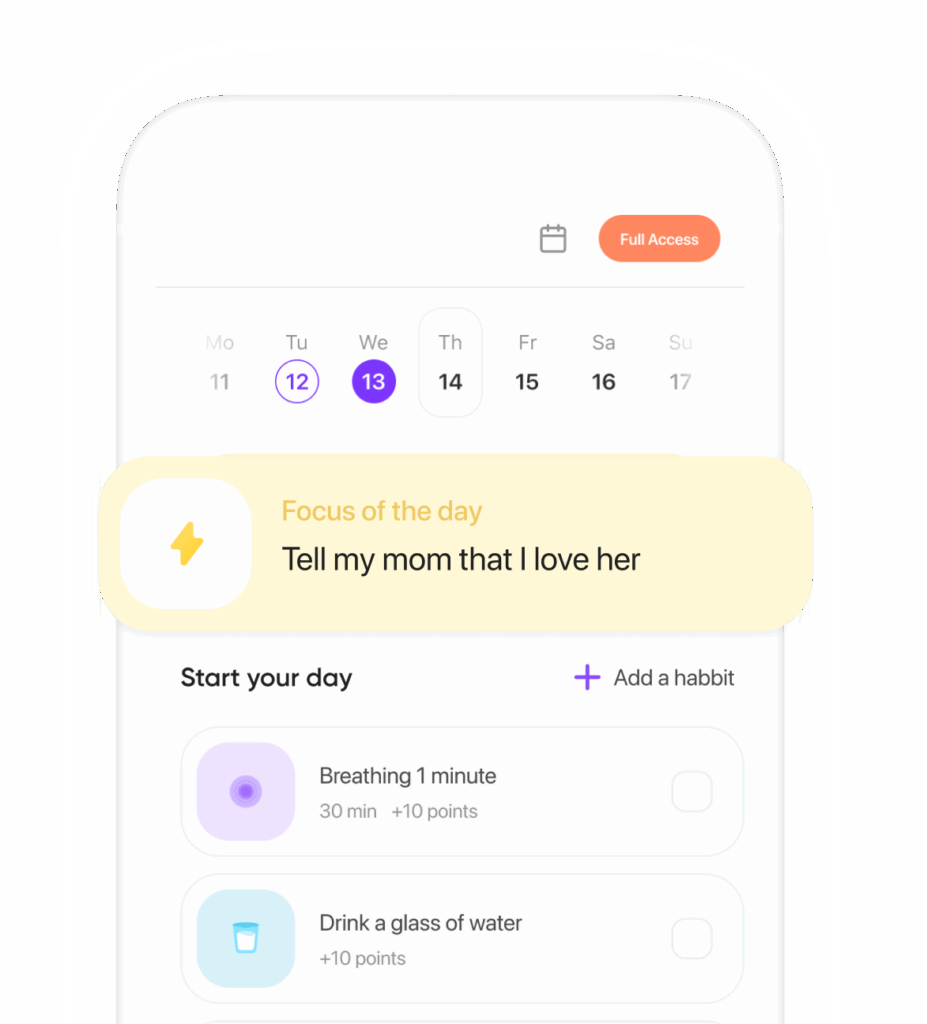
Ever dreamt of unleashing your full potential? Check out Sunrise – ADHD Coach, a tool built for productivity and daily planning even if ADHD colors your life. It offers the enhancement of focus and consistency needed for transformative journeys. [Available on the App Store].