Table of Contents
- Wrestling with Consistency
- Diving Into the Science of Habit Formation
- Crafting a Blueprint for Success
- Environmental Influence and Habit Formation
- Harnessing the Power of Community
- Technology: Friend or Foe?
- Navigating Setbacks
- Finding Value in Repetition
- A Practical Guide to Building Consistency
- Consistency: The Road Ahead
Wrestling with Consistency
We’ve all been there, in the honeymoon phase of motivation, setting a mountain of ambitious goals, only to watch our zeal fade away. Whether you’re hoping to get into the swing of regular workouts, overhaul your diet, or wean off the digital screens, the initial thrill can fizzle into frustration. Why does this happen?
“Our brains are wired for consistency. When our actions are haphazard, new habits fail to take root, leaving us in limbo.”
— Dr. Sarah Chen, Clinical Psychologist, NYU
So, how do we break free from this cycle of disruption?
Diving Into the Science of Habit Formation
Creating habits is far from relying purely on sheer willpower; it is a nuanced psychological journey. Let’s go back to University College London in 2010, where Phillippa Lally and her team discovered that, on average, it takes about 66 days to escort a new behavior from conscious effort to autopilot. The brain isn’t just a passive player here. The basal ganglia, in particular, adores routine. It’s like laying tiny bricks of repeated action until an indestructible habit fortress stands tall.
Crafting a Blueprint for Success
Start Small, Dream Bigger
Think of grand goals as both motivators and potential minefields. Start modestly. If you envision reading two books each month, ease into it with just a chapter a day. As this practice becomes familiar, gradually notch up the challenge. Take Maya, 28, for instance. Post-divorce, she struggled to reforge her sense of self. Carving out just five minutes of daily journaling provided stability amidst chaos. In the span of two years, she transformed those scribbled thoughts into a powerful memoir.
Specificity is Key
Vague intentions often yield equally vague results. Swap out “I’ll exercise more” for the concrete “I’ll jog ten minutes each morning.” Such clarity helps your brain embrace the pattern. Kevin, a professional juggling time management, reclaimed his routine by breaking down tasks during nightly planning sessions, significantly boosting his productivity—thanks to well-defined habits.
The ‘Trigger and Reward’ Loop
Charles Duhigg’s seminal work, “The Power of Habit,” simplifies habits into a loop: cue, routine, reward. Identify each habit’s trigger and pair it with a reward. If studying consistently is the goal, perhaps brewing a cup of coffee serves as your cue; the routine is the study session, and the reward? A short podcast afterward. Over time, the allure of the reward fuses with the habit’s core.
Environmental Influence and Habit Formation
Sure, habits are born from within, but our surroundings wield undeniable power over them. Shape your space to foster new habits. Want to curb screen time? Switch your phone to grayscale come nighttime.
“This subtle change rewires your emotional ties with your device, making it less compelling and easier to say goodnight.”
— Dr. Marc Freeman, Behavioral Scientist
Harnessing the Power of Community
Don’t underestimate the strength of a supportive circle. Share your ambitions with friends or family who can spur you on or participate in habit challenges. A Stanford University investigation revealed that individuals with a support network are 46% more likely to uphold new habits than going solo.
Technology: Friend or Foe?
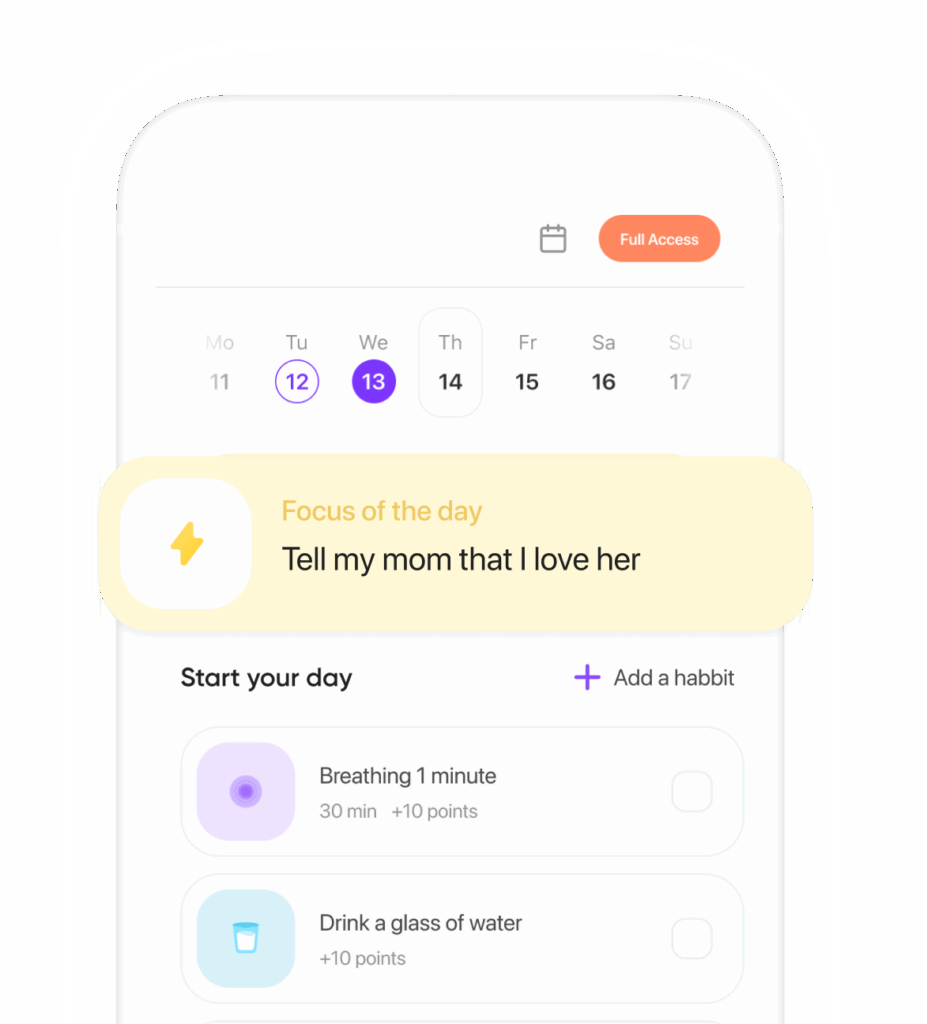
Technology surrounds us, its potential bifurcating into tools of distraction or catalysts for growth. Enlist tech as an ally—utilize apps tailored for habit tracking and productivity boosts. They nudge you into action, chart your progression, and celebrate every milestone. Embrace technology, but bear in mind where its utility ends to prevent falling into dependency.
Navigating Setbacks
Stumbles along the way? They’re inevitable chapters in your journey, not the book’s epilogue. Offer yourself compassion. Resilience often finds its roots in these very setbacks. Reflect, recalibrate, and forge ahead. When Maya grappled with writer’s block, it nudged her toward creative writing workshops, rekindling her passion.
Finding Value in Repetition
The march of consistency can sometimes feel monotonous. The initial spark often dims with time. And yet, the act of consistently showing up propels dreams into reality.
“The magic of habit-building isn’t in grand, sweeping gestures but in the small, persistent actions that often go unnoticed.”
— Dr. Sarah Chen, Clinical Psychologist, NYU
A Practical Guide to Building Consistency
Embark on your habit-building journey with these practical pointers:
- Choose One Habit to Focus: Concentrate on one behavior.
- Clarify Your Intentions: Define when, where, and how you’ll engage in your habit.
- Engage with the Habit Loop: Mark out cues, enjoy your rewards, and track your progress.
- Tweak Your Environment: Make small adjustments to your surroundings to ease habit formation.
- Use Technology Wisely: Benefit from habit apps but manage your screen time diligently.
- Relish the Support Around You: Draw from your community’s energy or find accountability partners.
- Acknowledge the Little Wins: Celebrate every small victory as you advance.
- Learn from Detours: Treat setbacks as lessons to refine your path.
- Stay Committed to the Ordinary: Remember, real consistency blossoms in life’s quieter moments.
Consistency: The Road Ahead
Fast forward a year—how do those habits you’re beginning to cultivate today manifest in your life then? As you traverse the landscape of building good habits rooted in daily consistency, bear this in mind: It’s a long-distance race, not a blitz run. Savor every minor triumph—it’s these seemingly minor steps that eventually lead to transformative leaps forward. Your future self? They’re already cheering you on.
Key Takeaways
- Consistency is crucial for building and maintaining habits.
- Start small and gradually increase your goals for sustainability.
- Utilize the habit loop model of cue, routine, and reward for effective habit formation.
- Your environment can significantly influence your habits; make strategic changes.
- Embrace community support to enhance your commitment to new habits.
The Bottom Line
Building good habits is a journey rooted in consistency and commitment. By taking small, intentional steps and leveraging your environment and community, you can transform your aspirations into lasting routines. Remember, every small victory counts, and your future self will thank you for your perseverance.