Table of Contents
- The Intricacies of Habit Formation
- Tactics for Habit Development
- Shaping a Nurturing Context
- Navigating the Hurdles
- Evaluating Improvement
- The Advantages of Good Habits
The Intricacies of Habit Formation
In the relentless pace of our modern world, cultivating good habits isn’t just advantageous—it’s imperative. The journey of habit building can significantly enhance personal productivity and set you on a path toward realizing long-term achievements. This exploration offers practical and scientifically backed approaches to fostering enduring habits that might just transform your everyday life.
Before you embark on the journey of habit building, grasping the mechanics of habits themselves is crucial. Charles Duhigg, in his insightful work The Power of Habit, unravels that a habit consists of a tri-step loop: cue, routine, and reward. Here’s how it works—the cue instigates a behavior in your brain, followed by the routine, and finally, the reward reinforces this loop, making it tempting to continue the cycle.
A piece in the European Journal of Social Psychology floated some startling data back in 2010: roughly 66 days is the average period to form a new habit, though this number can sway based on an individual’s circumstances. This understanding encourages a sense of realism and perseverance as you strive to form new habits, doesn’t it?
Tactics for Habit Development
Establish Specific and Achievable Targets
Start by identifying the habits you genuinely aspire to weave into your daily routine. Remember the SMART formula: goals should be specific, measurable, achievable, relevant, and time-bound. Rather than vaguely stating, “I want to read more,” construct a SMART goal: “I will read 20 pages of a book every evening before bed for the next month.” The clarity can be motivating.
Begin Modestly
Have you ever made the mistake of trying to change too much at once? You’re not alone. Research from Stanford’s BJ Fogg teaches us that beginning with “tiny habits” can snowball into substantial changes over time. Suppose you’re aiming to establish a daily exercise routine; starting with a modest 5-minute session and gradually escalating it might be your best bet.
Implement Visual Triggers
Visual cues are potent signals prompting your new behavior. Consider placing your running shoes by your bedside or setting a book on your pillow—these small gestures can signal your brain to engage in a new routine. Such reminders bolster motivation, catalyzing positive behaviors.
Shaping a Nurturing Context
One aspect of forming robust habits involves your environment. Harvard Business Review suggests that an organized environment facilitates easier habit development. Here’s how your space can be your ally:
Refine Your Environment
Ensure that your surroundings align with your habit goals. Want to eat healthier? Keep fresh veggies and fruits in plain sight in your kitchen. Striving to boost productivity? Declutter your workspace to reduce distractions. Simple, yet effective, wouldn’t you agree?
Harness Social Support
Sharing your ambitions and progress with others can enkindle accountability. According to a study in the Journal of Health and Social Behavior, social support bolsters the adherence to new habits. Engaging with community groups or drawing support from friends and family can provide an extra push and valuable insights.
Navigating the Hurdles
Identify Triggers and Craft Coping Mechanisms
Recognizing what might waylay your progress is just as vital as forming the right habits. Whether it’s stress, a particular location, or a specific time of day, pinpoint your triggers and devise strategies to counter them. For instance, if stress makes you gravitate towards unhealthy snacks, perhaps it’s time to explore stress-relieving activities like meditation.
Consistency is Key
Staying consistent is essential for habit development. Research by Wendy Wood highlights the importance of repetition in reinforcing the neural pathways linked to habitude. William James, a notable psychologist, believed that performing a habit in a constant, unvarying setting enhances the chance of automatic behavior.
Evaluating Improvement
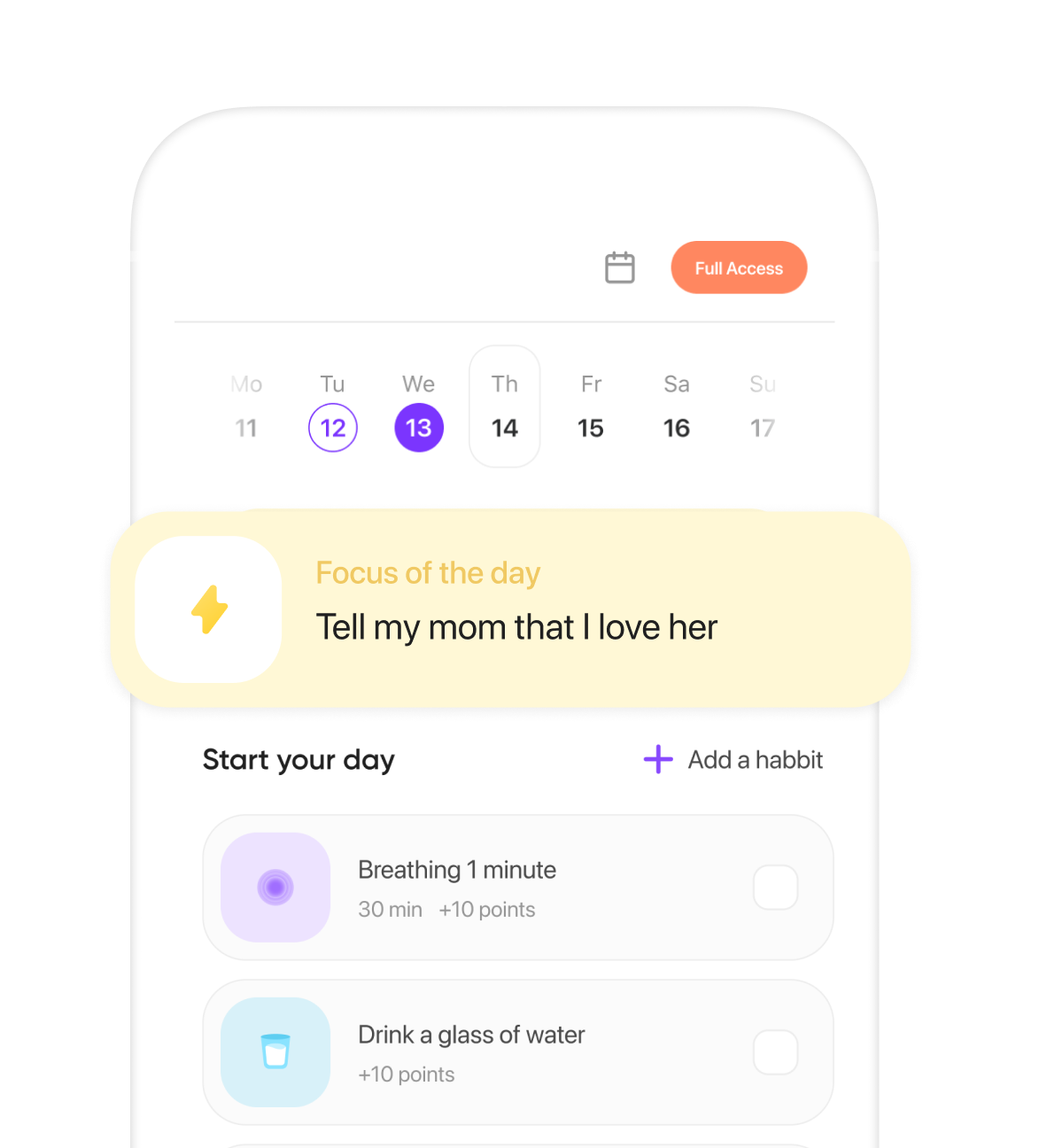
Develop robust systems to monitor your progress as you construct good habits. Tools like apps, journals, or conventional calendars can chart daily commitment, while milestones offer moments to cherish tiny victories. Tracking turns nebulous progress into tangible evidence, nurturing motivation as these new habits become ingrained.
The Advantages of Good Habits
Building and sustaining positive habits have far-reaching impacts. A piece from the British Journal of Health Psychology finds wide-ranging benefits: from enhanced mental health to reduced stress and better productivity. Consistent routines strengthen resilience, paving the way to increased clarity, exponential personal growth, and daily fulfillment.
Wrap-up: Building lasting habits is no brisk walk—it’s a marathon demanding diligence, perseverance, and calculated steps. By adopting the insights shared herein, new, rewarding habits might just become woven into your life, propelling you toward daily success and a heightened sense of well-being. Remember, the road to success is assembled from small, persistent steps, taken day by day.
Beginning with one step towards good habits today could lead to a lifetime of daily triumphs. Try these strategies, watch them illuminate your journey, and maybe even inspire others by sharing your story!
References:
- Duhigg, C. (2014). The Power of Habit: Why We Do What We Do in Life and Business.
- Verplanken, B., & Wood, W. (2006). Interventions to Break and Create Consumer Habits. Journal of Public Policy & Marketing, 25(1), 90-103.
- Lally, P., van Jaarsveld, C. H., Potts, H. W., & Wardle, J. (2010). How are habits formed: Modelling habit formation in the real world. European journal of social psychology, 40(6), 998-1009.
- Wood, W., & Rünger, D. (2016). Psychology of habit. Annual review of psychology, 67, 289-314.