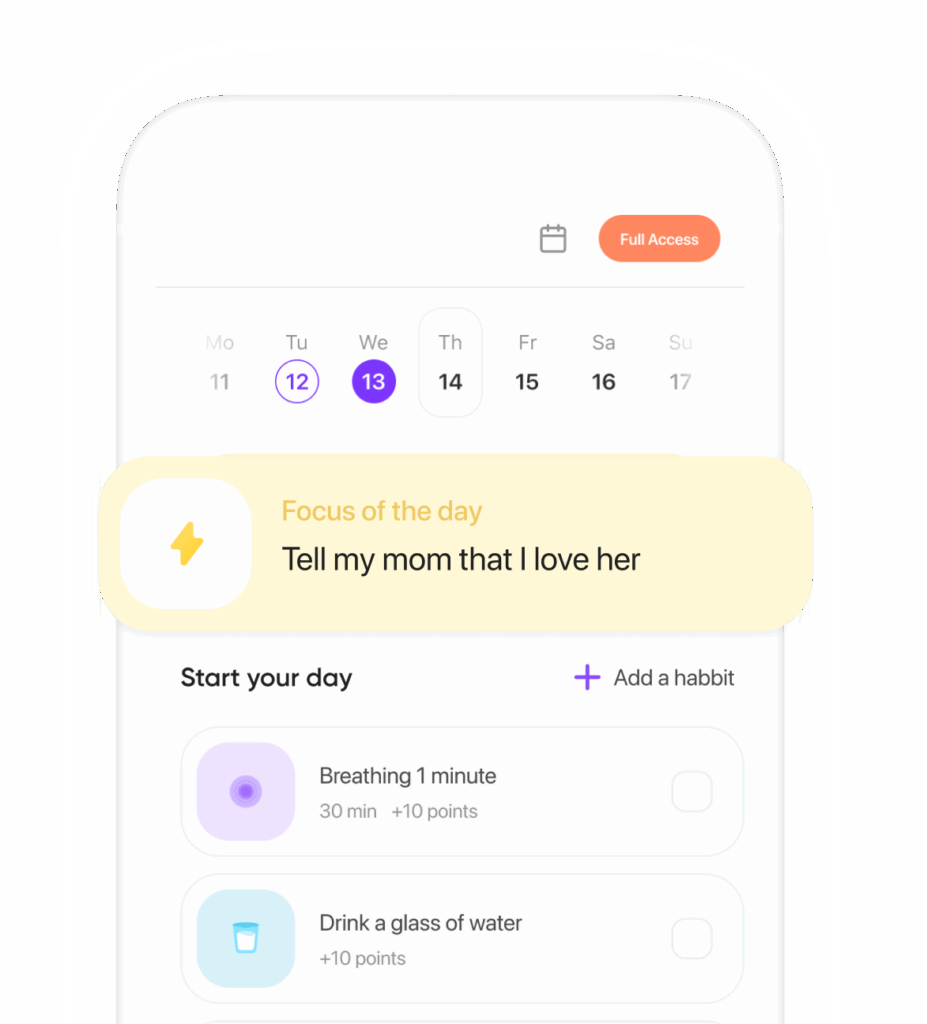
Burnout these days—among the rush of deadlines, social commitments, and digital noise—has become increasingly commonplace, especially for Gen Z and Millennial women. The pressure to perform at work and home? It’s relentless. So, how can one swiftly navigate away from this emotional and physical quicksand? Let’s dive in and explore some key strategies to recognize and manage burnout, giving yourself the gift of renewed energy and zest.
Table of Contents
- Recognizing the Symptoms of Burnout
- Understanding the Causes of Burnout
- Immediate Steps to Break Free from Burnout
- Long-term Strategies for Managing Burnout
- When to Seek Professional Help
- Conclusion
- References
Recognizing the Symptoms of Burnout
Burnout isn’t just another term for feeling worn out. It’s an intense state of emotional, physical, and mental exhaustion, exacerbated by persistent stress. A 2019 publication in the Journal of Health Psychology pointed out symptoms like chronic fatigue, declining performance, and growing feelings of cynicism or detachment from work. Spotting these warning signs early? Crucial. That’s where recovery begins.
Understanding the Causes of Burnout
Why do we break down? The root causes of burnout are, unsurprisingly, complex. A 2020 survey by Deloitte revealed that 77% of respondents faced burnout in their current roles, citing factors such as overwhelming workloads, zero support, and unclear job expectations. The never-ending juggle of personal life pressures? It only adds fuel to the fire.
Immediate Steps to Break Free from Burnout
-
Prioritize Self-care
Self-care—often mislabeled as indulgence—turns out to be utterly essential. The American Psychological Association underscores the benefits of regular exercise, sufficient sleep, and a balanced diet in stress management. Get this: incorporating these into daily life can bolster your overall well-being significantly. Carve out time for breaks, mindfulness practices, or any joyful activity… Don’t you deserve relaxation?
-
Set Boundaries
Boundary-setting—it’s not just for personal life but crucial in your work sphere too. Communicating your work limits might just save you from further burnout spirals. A study in the Journal of Occupational Health Psychology found that employees with clear boundaries around their work hours experienced lower stress and higher job satisfaction. So, don’t hesitate—saying ‘no’ could be your ticket to sanity.
-
Seek Support
Lean on someone! Speaking with a mental health professional or confiding in trusted friends and family can alleviate that burden you’re carrying. A 2021 meta-analysis in the Journal of Affective Disorders suggests that having a support system significantly diminishes burnout symptoms and improves mental health. It’s good to talk!
Long-term Strategies for Managing Burnout
-
Re-evaluate Your Goals and Priorities
Ponder over this: Are your goals genuinely compatible with your values? Re-aligning and tempering expectations can ease stress and prevent burnout. A 2018 Harvard Business Review article agrees—adjusting goals to be realistic might just lead to more satisfaction and success in the long run. Sounds worth it, doesn’t it?
-
Develop Stress Management Skills
What’s your strategy for stress? Mastering techniques like cognitive-behavioral therapy (CBT) can make a world of difference. The Journal of Anxiety Disorders mentions CBT’s effectiveness in lowering stress and anxiety. Add breathing exercises, progressive muscle relaxation, or guided imagery to your routine… Might just change your day.
-
Enhance Your Work Environment
A nurturing and inclusive work environment can be a game-changer in staving off burnout. Advocate for changes in your workspace—whether it’s ergonomic adjustments or promoting a more inclusive culture. The World Health Organization identifies a positive work environment as vital to employee well-being and productivity. Isn’t a fulfilling work life what we all seek?
When to Seek Professional Help
Sometimes, self-care and support aren’t enough. Signs of severe burnout that fail to subside despite your efforts may warrant a chat with a mental health professional. Therapy or counseling could offer the extra tools needed to get through burnout’s toughest hurdles. Don’t wait too long though… help is always here.
Conclusion
Overcoming burnout swiftly? It demands a blend of short-term relief and ongoing strategies. By focusing on self-care, establishing boundaries, and seeking allies in your struggle, you can alleviate symptoms and guard against future burns. Start spotting those burnout markers early… Do what you can to nurture your well-being.
A healthier, more balanced existence is within reach. Ready to reclaim your vitality and joy? Prioritize your health and reach out. You’re so worth it!
References
- Maslach, C., & Leiter, M. P. (2016). Understanding the burnout experience: Recent research and its implications for psychiatry. World Psychiatry, 15(2), 103–111.
- American Psychological Association. (2020). Stress in America: A National Mental Health Crisis.
- Journal of Occupational Health Psychology. (2019). The role of work-life balance in burnout.
- Journal of Affective Disorders. (2021). The impact of social support on burnout syndrome among healthcare professionals.
- World Health Organization. (2019). Mental health in the workplace.