Picture this: It’s a typical Monday morning, and Alexa, a 27-year-old marketing director, finds herself at ease in her thoughtfully designed home. The gentle morning sun peeks through her half-open blinds, perfectly setting the stage for the freshly brewed aroma of coffee to fill the air—a courtesy of her proactive smart device. Her morning routine unfolds like clockwork: brief moments of gratitude meditation, an invigorating jog through her local streets, and a healthy smoothie to kick off her day. What if you could embrace this kind of purposeful consistency?
Table of Contents
- Understanding the Psychology of Habits
- The Importance of Consistent Habits
- Steps to Develop Good Habits
- Pinpoint Your Keystone Habit
- Create an Action Plan With Clear Triggers
- Lock in Accountability with Commitment Devices
- Mold Your Surroundings
- Begin Small and Stay Realistic
- Use Habit Stacking
- Navigating Setbacks
- Scientific Underpinnings of Consistent Habits
- Real-Life Wins Through Habit Consistency
- Sustaining Long-Term Motivation
- The Role of Community
- Celebrate Those Small Victories
- Tracking Tools and Strategies
- An Empowering Perspective
- Taking the First Step
Key Takeaways
- Habits act as mental shortcuts, conserving cognitive energy.
- Consistent habits align actions with personal aspirations, improving overall well-being.
- Establishing clear cues and accountability devices enhances habit formation.
- Environmental adjustments can significantly ease the habit-following process.
- Intrinsic motivation and community support play crucial roles in sustaining habits.
Understanding the Psychology of Habits
Before diving into the nitty-gritty of habit formation, let’s pause to ask—why do habits work so effectively? They’re essentially shortcuts the brain creates to conserve energy. According to Dr. Charles Duhigg in The Power of Habit,
“Our brain craves turning nearly any routine into a habit because it lets our mind ease up more frequently.”
— Dr. Charles Duhigg, Author
Simply put, once ingrained, habits demand less focus, liberating mental energy for other pursuits.
This phenomenon, often referred to as “chunking,” occurs when the brain clusters similar actions into a single routine, automating the process.
The Importance of Consistent Habits
Consistent habits matter—not just for routine’s sake but for crafting an environment where actions align with our aspirations and values. A nod to the American Psychological Association reveals that consistent daily habits can enhance mental well-being and lessen stress. Take Maya, 28, for instance, navigating a high-pressure job while enduring the emotional whirlpool of a divorce. Through her steady commitment to exercise and meditation, she found a much-needed anchor in tumultuous times.
Steps to Develop Good Habits
Building habits that last isn’t like flipping a switch. It calls for mindfulness, patience, and a fair share of trial and error. Here’s a roadmap to get you going:
Pinpoint Your Keystone Habit
Keystone habits trigger broader transformations. Regular exercise, for instance, doesn’t just tone your muscles—it can improve your diet and sleep quality too. Begin by pinpointing a habit you believe can unlock the most benefits.
Create an Action Plan With Clear Triggers
Remember, every habit follows a cue-routine-reward loop. Establish distinct cues to prompt the action you desire. Want to read more? Keep a book on your bedside table to remind you of some mindful reading before bed.
“Nailing the cue is half the battle. Our minds respond to specific prompts, so matching them with your actions is key.”
— Dr. Sarah Chen, NYU
Lock in Accountability with Commitment Devices
Commitment devices can secure your intentions. Public declarations, teaming up with a friend, or leveraging progress-tracking apps inject accountability. Daniel Kahneman, a Nobel laureate, highlights how these tactics effectively engage our future selves to honor present commitments.
Mold Your Surroundings
Tailoring your environment can make following habits effortless. Want to eat better? Fill your pantry with healthy choices and ditch the junk. This strategy echoes the insights of James Clear in Atomic Habits.
Begin Small and Stay Realistic
Tackle small, achievable goals first. If aiming for daily exercise, start with a 10-minute workout—rather than a daunting hour-long session. As your routine solidifies, you’ll naturally extend its length and complexity.
Use Habit Stacking
Accelerate habit formation by “habit stacking,” as James Clear suggests. Enlist an existing habit as an anchor for a new one. Already brewing morning coffee? Use the waiting time to jot down a gratitude note.
Navigating Setbacks
Setbacks? They’re inevitable. What counts is your reaction. Instead of spiraling over missed days, hold on to the “never miss twice” mantra—it’s a gentle push to regain momentum. Dr. BJ Fogg of Stanford underscores resilience as vital in habit-building, emphasizing that setbacks are part of the journey, not failures.
Scientific Underpinnings of Consistent Habits
Daily habits hold the power to reconfigure neural pathways. A European Journal of Social Psychology study pegs the average habit-formation duration at roughly 66 days. Naturally, this varies based on complexity and individual factors, highlighting the keystone role of persistence over a few months.
Real-Life Wins Through Habit Consistency
Consider Tom, a 34-year-old software developer habitually overwhelmed by chaos and tardiness. By integrating time-blocking into his routine—dividing tasks into manageable slots and adhering strictly—he experienced a boost in productivity, a dip in stress, and newfound order in his previously hectic life.
Sustaining Long-Term Motivation
A linchpin in keeping habits alive is intrinsic motivation—aligning habits with deeper personal values and aspirations. When habits resonate with genuine satisfaction beyond surface levels, they tend to endure.
The Role of Community
Being around like-minded individuals fosters mutual accountability and motivation. Whether in person or through online forums, communities enrich collective dedication to habits, offering encouragement and shared triumphs.
Celebrate Those Small Victories
Celebrate the little wins—they’re vital for sustaining motivation. The dopamine rush reinforces positive feelings, enhancing the desire to repeat behaviors (Harvard reported). Recognizing successes, however minor, extends these ripples, nourishing habit loops.
Tracking Tools and Strategies
Embrace technology’s potential—many apps and tools can track milestones, providing visible reminders of your journey’s progress and keeping your momentum steady.
An Empowering Perspective
Armed with the knowledge and strategies for building consistent habits, you have the power to shape your life positively. Whether it’s through environmental adjustments, technology, or social support, the options are limitless—and the impact, transformational.
If you’ve faced setbacks or prior attempts fell flat, approach it with intention and authenticity this time. Remember, each small step advances you toward who you aspire to be.
Taking the First Step
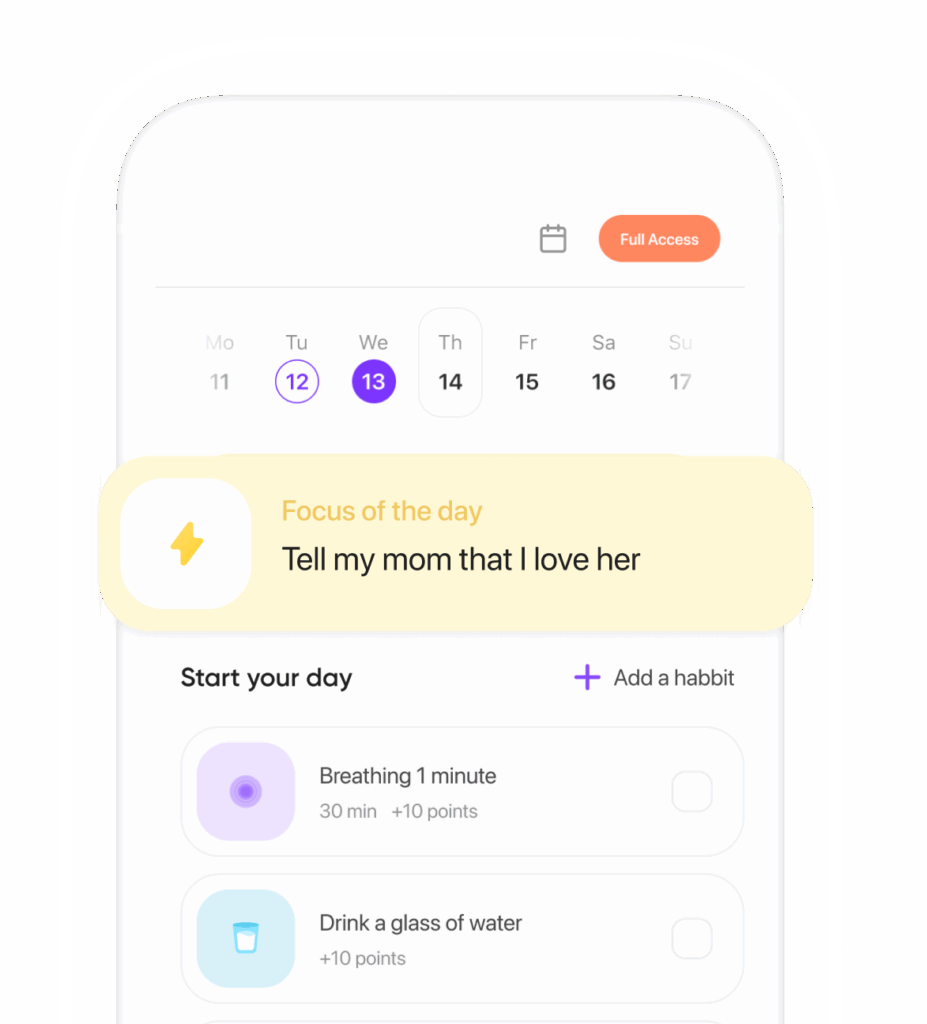
If you’re eager to master daily consistency but need a guiding hand, consider checking out Sunrise – ADHD Coach. This app delivers habit tracking, focus-enhancing tools, and AI-driven daily planning tailored for ADHD minds. It’s like having a personal coach right in your pocket—download it today.
The journey of building good habits can turn your life’s trajectory toward greater clarity, purpose, and fulfillment. Let today be the fresh start that launches you into a rhythm your future self will thank you for.
The Bottom Line
Building consistent habits is a journey that demands patience, clarity, and resilience. By following strategic frameworks and nurturing intrinsic motivations, anyone can create lasting behavioral changes that enhance their quality of life.