Table of Contents
- The Science of Habit Formation
- Understanding the Habit Loop
- Finding Your ‘Why’: The Essence of Meaning
- Practical Tips for Building Habits That Last
- Role of Social Influence and Accountability
- Dealing with Setbacks and Sustaining Progress
- Playing the Long Game
- The Empowering Path Forward
The Science of Habit Formation
Before we discuss techniques for building enduring habits, we need to clarify what a habit truly is. Dr. Wendy Wood from USC—a respected voice in psychology—defines a habit as “a behavior repeated enough times to become automatic.” At the heart of this process lies the basal ganglia, a brain region tied to emotions, patterns, and memories. It’s basically the brain’s autopilot system.
When you perform an action over and over in a similar context, the brain starts automating it. Habits weave neural pathways that lighten our cognitive load so the brain can tackle more intricate tasks. This adaptability is precisely what makes habits powerful—and with the right design, they can stick for life.
Understanding the Habit Loop
Charles Duhigg’s book “The Power of Habit” reveals an essential component of habit formation: the habit loop, made of a cue, routine, and a reward. Understanding this sequence in your life marks the first step in creating enduring habits.
- Cue: This is the prompt that nudges your brain into automatic behavior mode.
- Routine: The core behavior itself—the action you wish to regularize.
- Reward: The benefit that reinforces the routine, prompting your brain to remember and seek the loop again in the future.
To ensure your habit sticks, the reward must be satisfying enough to confirm the routine.
Finding Your ‘Why’: The Essence of Meaning
Ever wondered why some habits last while others don’t? Often, the crux lies in the ‘why’. In 2021, a study at the University of Scranton found that a whopping 92% of people didn’t meet their New Year’s resolutions. A common culprit? A lack of a compelling reason to persevere.
“When your goals resonate with deeply personal meaning, you’re more inclined to persist.”
— Dr. Sarah Chen, Clinical Psychologist, NYU
Linking exercise to the joy of playing with your grandkids, for instance, can provide a powerful motivation boost.
Practical Tips for Building Habits That Last
1. Begin with Small, Specific Goals
Massive changes daunt us, but starting at a smaller scale increases the odds of success. James Clear, in his bestseller “Atomic Habits,” champions the effect of tiny adjustments: “If you’re trying to read more, start with just a page a day.” Small wins add up over time—a fact that should not be underestimated. Essentially, baby steps breed confidence.
2. Adopt Implementation Intentions
Psychologists recognize “implementation intentions” as a tactic that boosts habit adherence. It’s about forming a concise if-then plan: “When situation X arises, I will do Y.”
Why It Works: This reduces decision fatigue, providing a clear blueprint for action.
3. Mold Your Environment
Relying merely on willpower can be futile—sometimes, altering your surroundings to naturally support your habit is more effective. When Maya finally committed to her yoga sessions, she placed her yoga mat prominently in her living room to remind her to practice.
Why It Works: A well-designed environment minimizes resistance and serves as a visual prompt to engage your habit loop.
Role of Social Influence and Accountability
Embedding accountability within your habit-building regimen can lead to remarkable outcomes. A study from Dominican University of California found that people who documented and shared their progress with friends had a 42% better chance of achieving their goals. It’s simple—share goals, get results.
Partnering up can enhance your dedication. Engage a community or ally who shares your dreams.
“Feeling supported by peers amplifies motivation and fosters resilience.”
— Dr. Jen Carter, Behavior Change Expert
Community matters, big time.
Dealing with Setbacks and Sustaining Progress
Stumbles are part and parcel of habit formation. The key is to meet them with resilience. As Dr. Chen points out,
“Failure is feedback.”
— Dr. Sarah Chen, Clinical Psychologist, NYU
Setbacks often highlight flaws in your strategy, helping you adapt.
Playing the Long Game
Perseverance is crucial. Habits built for life are developed through repeated practice, a process far slower than a mere 21-day cycle. According to research from University College London, it takes an average of 66 days for a new routine to become second nature.
This realization is empowering. Habit-building is not a sprint, but a marathon. And that’s OK. Pay attention, tweak, and patiently allow the process to unfold.
The Empowering Path Forward
Picture looking back a year from now, seeing that the habits you’ve nurtured have seamlessly integrated into your daily existence. You’ve curated a lifestyle that embodies your aspirations. You’ve created a supportive environment and bonded with like-minded individuals, all while comprehending the why behind your actions.
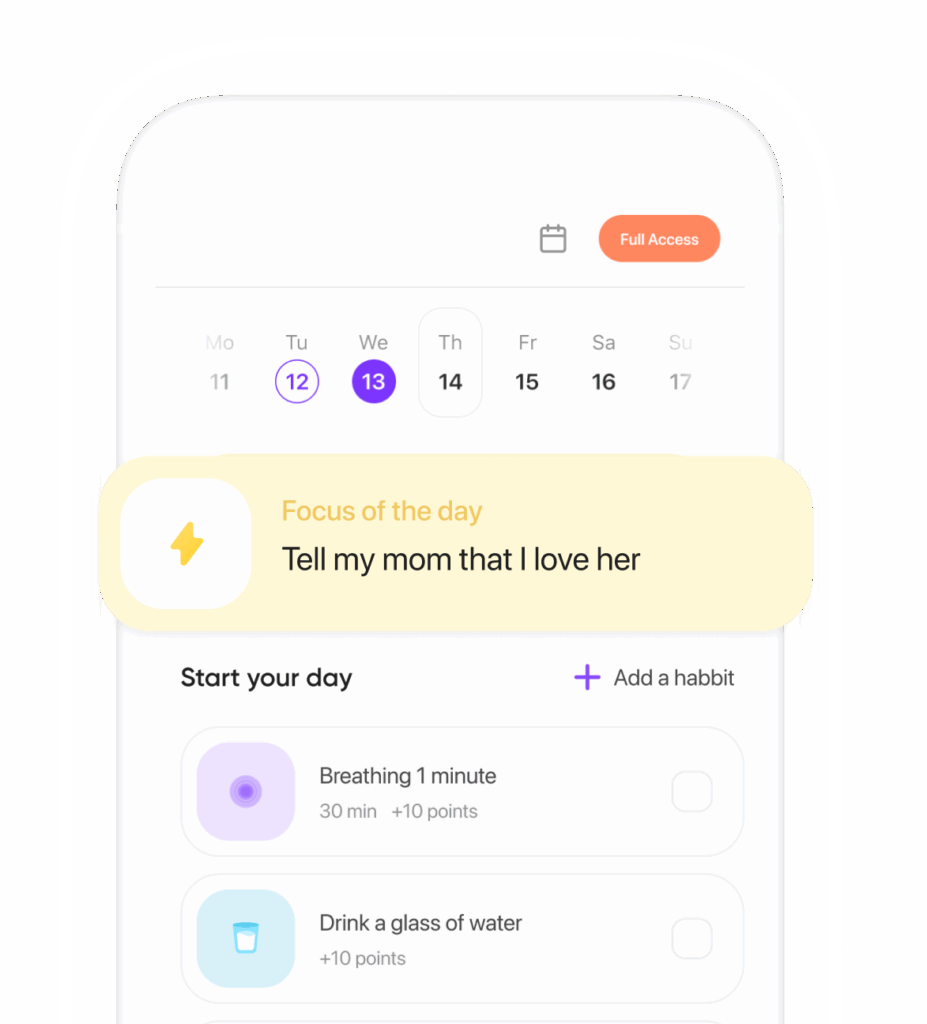
Feeling invigorated? Consider leveraging tools to aid in tracking habits and achieving goals. A tool like Sunrise – ADHD Coach could prove invaluable—offering bespoke strategies tailored to your focus and habit-building needs. Ready to take the leap? Look up Sunrise App today and set forth on a determined journey of transformation.
Key Takeaways
- Habits become automated actions through repetition, relying on the brain’s natural processes.
- The habit loop consists of a cue, routine, and reward, which must be understood for effective habit formation.
- A meaningful ‘why’ behind your goals significantly boosts persistence and habit longevity.
- Starting small, forming implementation intentions, and adjusting your environment can enhance habit-building efforts.
- Accountability and community support can greatly improve your chances of success in maintaining habits.
The Bottom Line
Building lasting habits is a journey that requires patience, understanding, and the right strategies to ensure success. Embrace the process, make gradual changes, and tap into the support around you to transform your aspirations into lifelong habits.