Table of Contents
- Why Consistency Outsmarts Motivation
- The Intricate Science of Habits
- Strategies for Building Consistent Habits
- Overcoming Habit-Building Hiccups
- Accountability and Community
- Embracing Tech in Habits Journey
- Wrapping Up Consistent Habit-Making
Imagine waking up before dawn, not to the jarring blare of an alarm, but naturally… Imagine gliding through a morning workout, savoring a nutritious breakfast, tackling your hardest projects—all part of a seamless routine. Perfect, right? The magic behind such organized living isn’t monumental daily exertion; rather, it’s the quiet power of forming habits with steadfast daily consistency.
Let’s talk about Maya, a 28-year-old project manager. Her life spiraled into chaos after her divorce, each day an unpredictable whirlwind of stress. Inspiration? Too many self-help books later, she realized real change buds from small, steady habits. Maya swapped endless pages for action, sculpting a morning routine that eventually reshaped her life. This isn’t just her story—it’s one many of us are searching for.
Why Consistency Outsmarts Motivation
Ever feel caught in the loop of trying, failing, trying again? You’re in good company. People often lean on sporadic bursts of motivation—Betty Crocker energy, if you will—to ignite major life changes. But
“Motivation is brief, but consistency bridges dreams and reality.”
— Dr. Sarah Chen, NYU
You need little, recurrent actions to rewire your brain—no massive leaps necessary.
The Intricate Science of Habits
The science? Pretty solid. Research says it takes 66 days on average to form a new habit, not the misquoted 21. Dr. Phillippa Lally at University College London dug deep into this, concluding habit-building is unique to each individual—durations vary depending on complexity and personal nuances. Think of neural pathways in your brain like ski trails: each action deepens the path until behavior becomes second nature. Consistency is your snowplow here.
Strategies for Building Consistent Habits
- Start Small and Simple
Micro-habits—a ridiculous tickle of a task. Want a reading habit? Aim for a single page daily. James Clear, in his book “Atomic Habits,” suggests, “Make it so easy you can’t say no.”
Why it Works: Smaller goals minimize the leap needed to act. Less reliance on that whimsical motivation, which pops up like a fashion trend.
- Use Habit Stacking
Link new habits with old ones. Enjoy morning coffee? Attach a new habit like gratitude journaling to it.
Why it Works: This method embarks new behaviors onto existing neural tracks, easing habit formation, as BJ Fogg from Stanford points out.
- Design Your Environment
Your surroundings can be the deal-maker. Organize cues to remind—nudge—you into the habits you aim for.
Real-World Example: Maya left her workout gear in obvious spots. Ignoring a morning run became tricky with her shoes staring her down.
Why it Works: Environmental hints ward off decision fatigue, nudging you towards the desired action automatically.
- Measure Your Progress
Consistently track your habits; it could be as simple as checking off a day or using an app to monitor streaks.
Why it Works: Visible progress keeps your fire alive. Dr. Teresa Amabile of Harvard discusses how tangible evidence of progress boosts motivation.
- Rewards? Absolutely.
Reward systems reinforce habits, cementing those cerebral trails. Instant gratification post-habit amps up the likelihood of repetition.
Expert Insight: The American Psychological Association affirms, “Immediate and precise feedback maintains momentum.”
Overcoming Habit-Building Hiccups
Life’s never fully cooperative, is it? Anticipate setbacks and plan to conquer them.
- Buffer for Setbacks: Miss a day? Don’t sweat. Just prevent a domino effect. Habits are cumulative, not unblemished.
- Adaptability Matters: Tweak strategies as needed. Consistency is about unflinching dedication to the goal, not rigidity in how you get there.
Accountability and Community
You needn’t walk this path alone. Share your habit-building chronicles with a group or a buddy. Accountability adds layers of motivation.
Real-World Example: Maya’s involvement in a local running club kept her weekly jog commitment on track—a crucial accountability net.
Embracing Tech in Habits Journey
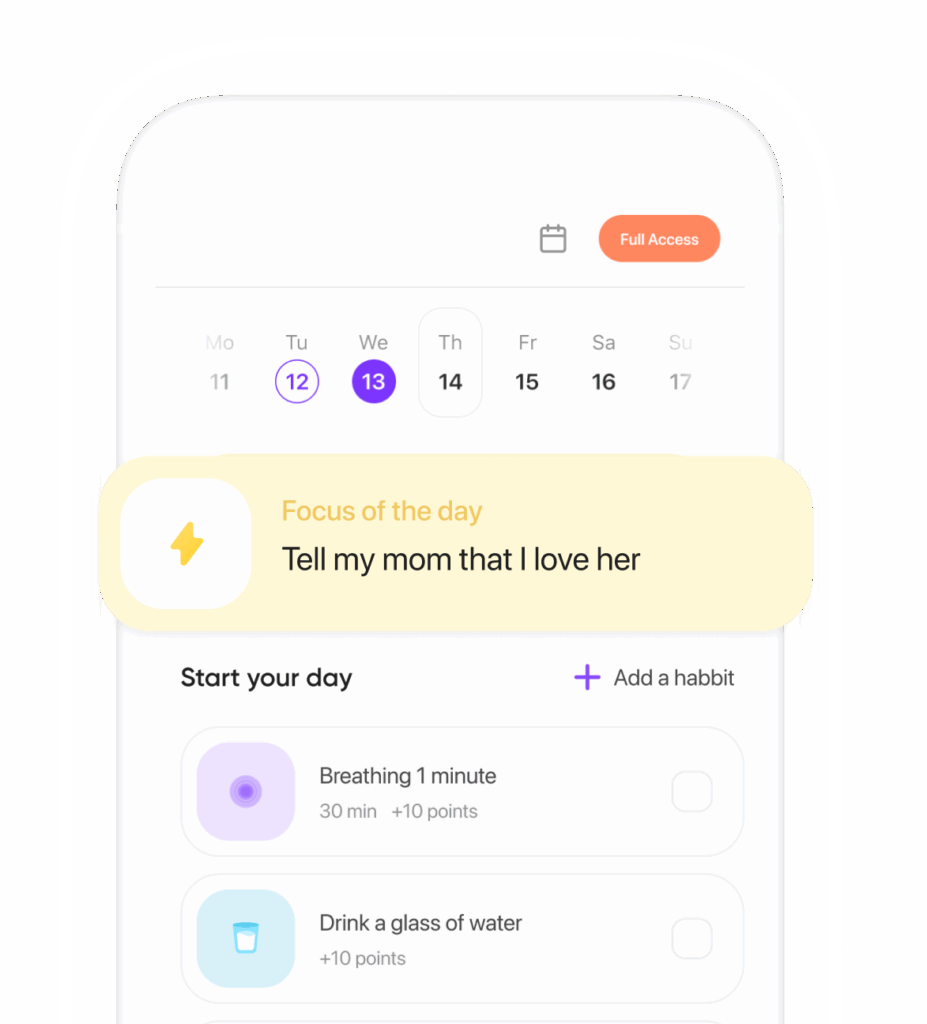
In our digital era, technology gallops in to aid habit-building endeavors. Apps can nudge reminders, track progress, offering tailored insights.
Wrapping Up Consistent Habit-Making
Think of building habits like nurturing a garden, a cycle of refining and evolving. Each day’s effort, no matter how trivial, gathers momentum. Picture a seed planted in patient, fertile ground, eventually becoming a forest through care.
So, ready to plant yours? Picture yourself six months ahead—a routine swapped for chaos, stress eclipsed by calm accomplishment. Each day is your canvas, your chance to sculpt at the masterpiece of calm, purposeful living.
Key Takeaways
- Consistency is more powerful than sporadic motivation.
- Small, manageable habits lead to greater change.
- Your environment can significantly influence your habit-building success.
- Tracking progress and rewarding yourself can reinforce habits.
- Accountability through community enhances commitment and motivation.
The Bottom Line
Building good habits is a journey that requires patience, dedication, and a strategic approach. Embrace small actions consistently, adapt when life throws challenges your way, and leverage technology and community for support. With time, the seeds you plant today can blossom into a more organized, fulfilling life.