Table of Contents
- Discovering the Habit Loop
- Reshaping Your Mind with Purposeful Habits
- Cultivating Mindful Awareness
- Setting Practical Goals
- The Power of Accountability and Community
- Embracing Setbacks as Learning Steps
- Creating a Conducive Environment
- Technology: A Double-Edged Sword
- The Bottom Line
Key Takeaways
- Identifying the habit loop of cue, routine, and reward is key to understanding and changing habits.
- Mindfulness and intentional habits help in recognizing impulses that lead to undesirable behaviors.
- Small, achievable goals significantly increase the likelihood of successfully altering habits.
- Accountability through sharing goals with friends or communities enhances commitment and motivation.
- Transform setbacks into learning opportunities to refine your approach toward habit change.
When you close your eyes and picture yourself a year from now, what do you see? Are you getting up at dawn, savoring nutritious meals, and dedicating time to your creative passions? Or do you find yourself caught in the habitual loops you’ve been wishing to escape? So many of us know that grappling with lingering habits and the laborious task of altering them is part and parcel of life. If you’ve ever embarked on the seemingly Sisyphean task of kicking a habit—be it the incessant nail-biting or the endless scroll through social media—you know just how elusive change can be. Yet, you’re not embarking on this journey in isolation. Change, rest assured, is within reach.
Consider Maya’s story. At 28, following a grueling divorce, she found herself immersed in the world of nighttime online shopping and solace-snacking. What started unassumingly turned into a financial and health spiral.
“I felt submerged,”
— Maya
Maya admits, “but the thought of breaking that cycle felt paralytic.” Her experience likely echoes with many of us, because when life’s complexities mount, our habits often morph into the crutches we lean upon.
“Habits are formidable because they usually run on autopilot. They represent your brain’s efficiency-boosting mechanisms.”
— Dr. Sarah Chen, Clinical Psychologist, NYU
This automation is profound; a Duke University study posits that roughly 45% of daily behaviors are unconscious habits (Duke Today). But how do we upend these ingrained patterns? Let’s unpack this puzzle together.
Discovering the Habit Loop
Decoding a habit starts with delving into its anatomy—a cue, routine, and reward. This “habit loop,” a concept made popular by Charles Duhigg in “The Power of Habit,” is illuminating. The cue triggers the habit, the routine is the habit itself, and the reward ensures its recurrence.
Take nail-biting instigated by anxiety (the cue), followed by the act of biting (the routine), leading to diminished anxiety (the reward).
So, what can you do? Start by identifying your own habits’ cues and rewards. These are the dominoes in your habit stories—the sequences ignited by specific triggers and gratifications.
Reshaping Your Mind with Purposeful Habits
Why do habits dig their roots so deeply? Neuroplasticity—the brain’s ability to rewire itself—is the culprit. Repeated behaviors carve familiar paths in the brain, rendering habits almost instinctual.
“Transforming a habit requires overlaying an existing pathway with a new behavior. It’s akin to blazing a fresh trail in a dense forest—you need repetition and resolve.”
— Dr. David Robinson, Neuroscientist, Stanford
How can one re-engineer the mind? Replace old habits with new, conscious choices. If stress drives you to grab a sugary soda, switch to water or opt for a brisk walk. Over time, consistency fortifies these new neural trails.
Cultivating Mindful Awareness
Imagine mid-afternoon bouts of restlessness where reaching for your phone seems reflexive. Such habits flourish during these autopilot episodes, those moments when conscious awareness slips.
“Mindfulness invites you to pause and evaluate impulses before they solidify into actions.”
— Dr. Sarah Chen, Clinical Psychologist, NYU
Practicing mindfulness has been linked to lowered stress and heightened self-regulation, essential for altering habits (American Psychological Association).
Setting Practical Goals
The thought of obliterating bad habits often conjures fantasies of radical transformation, yet this approach can be self-defeating. Rather than drastic overhauls, focus on gradual change. When Maya tackled her late-night shopping dilemma, she didn’t cut out online purchases altogether. Her initial aim was simply browsing without buying for two weeks. Gradually, her shopping urge faded, allowing for stricter financial boundaries.
But why does this tactic resonate? Research suggests that small, attainable goals enhance motivation and the probability of success (Harvard Business Review).
The Power of Accountability and Community
Why is it easier to hit the gym when a friend awaits your arrival? Accountability. Looping others into your habit-changing voyage deepens commitment and drives action.
The American Society of Training and Development discovered that sharing goals with accountability partners bolsters a 65% increase in completion likelihood, with a 95% success probability for specific check-ins with partners.
How can you leverage this? Partner with a friend or tap into a community with shared objectives. Regularly discuss your aspirations and progress. The simple knowledge that someone else is on this journey with you can propel motivation.
Embracing Setbacks as Learning Steps
Inevitably, you’ll stumble, but setbacks shouldn’t spell doom—they’re integral to the adventure. Each slip-up is an opportunity for introspection and refining strategies.
“I’ve faltered into old habits repeatedly, yet these moments impart insights about my triggers and management approaches.”
— Maya
“Habit formation isn’t just linear. Variability—and mistakes—are crucial since they necessitate adaptation.”
— Dr. David Robinson, Neuroscientist, Stanford
How to embrace failure? Reframe setbacks as lessons, examining them without judgment. Use these insights to craft future strategies for resistance.
Creating a Conducive Environment
Your environment wields surprising influence over your habits. By curating surroundings harmonized with your aspirations, temptations and distractions inherently dwindle.
“Crafting a supportive environment does two things: it diminishes cues for bad habits and introduces prompts for good ones.”
— Dr. Alexis Bloomfield, Environmental Expert
How to adjust your environment? Remove temptations and substitute them with new cues. Want to read more? Arrange books in your usual spaces. Eager to eat healthily? Stock your pantry with wholesome choices, sidelining junk food.
Technology: A Double-Edged Sword
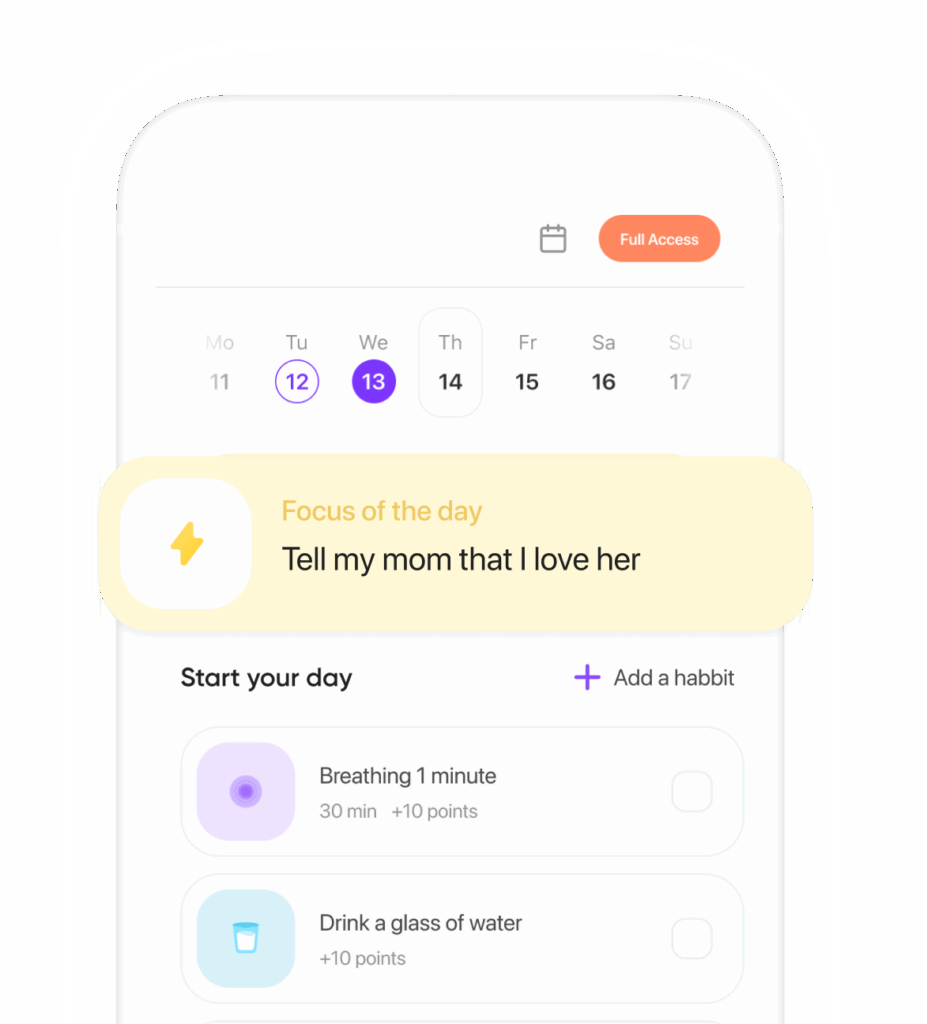
In a digitized world teeming with distractions, technology can feel like both a bane and an aide. If harnessed judiciously, though, it becomes a potent ally for tracking progress and sustaining momentum.
Why is this effective? Digital tools track progress, dispense prompts, and provide instant feedback, all key in maintaining engagement (MIT Sloan Management Review).
How can you harness tech? Employ apps aligned with your aims—a habit tracker or daily intention reminder. These tools operate as tactile cues, bolstering consistency.
The Bottom Line
Transforming bad habits for enduring change is, unquestionably, a tall order—but a deeply gratifying one. It transcends merely discarding unwanted behaviors; it’s about reclaiming control and constructing a life that mirrors your values and convictions. Take that first courageous step forward, aware that every minor action aggregates into a momentous shift over time. Remember, every instant teems with the prospect for transformation, a chance to sculpt the life you envision.
Ready to elevate your journey further? Download Sunrise – ADHD Coach, the app designed to help you harness your focus, track habits, and plan your day with personalized guidance. Take the next leap at Sunrise ADHD Coach.