Table of Contents
- Crafting a Foundation for Success
- Why Building Good Habits Matters
- The Psychology Behind Habit Formation
- Practical Steps to Build Good Habits
- The Science of Rewards
- Overcoming Obstacles
- Building the Habit of Resilience
- Looking Beyond the Horizon
Key Takeaways
- Good habits streamline decision-making and free mental energy for creativity.
- Small, specific actions create a solid foundation for lasting habits.
- Tracking progress enhances accountability and motivation.
- Embrace setbacks as part of the habit-building journey.
- Building resilience through habits empowers you to overcome challenges.
Crafting a Foundation for Success
Take Maya, for instance. At 28, standing on the ragged edges of a divorce, her world felt like it was shattering around her. Chaos seemed an ever-present companion, and her aspirations, nothing but distant dots on a blurred horizon. What pulled Maya from this abyss was habit-building. It didn’t transmute her life overnight—thank goodness fairy tales are just stories—but with dogged consistency, Maya managed to reconstruct her life. Her journey is a vivid reminder of the momentum that good habits can build, turning life’s setbacks into launchpads for renewed opportunity.
Why Building Good Habits Matters
Here’s a thought to chew on—why do habits lie at the heart of enduring success?
“Habits lessen the mental burden of decision-making, freeing up precious brain real estate for creativity and focus.”
— Dr. Sarah Chen, Clinical Psychologist
Essentially, habits streamline your daily grind, furnishing a scaffolding that supports both fleeting wins and towering ambitions.
Wendy Wood, a psychologist from the University of Southern California, points out that roughly 40% of our daily actions are habitual. Now, imagine if almost half of these were positive, propelling you closer to success. Isn’t that a tantalizing possibility?
The Psychology Behind Habit Formation
Let’s dive into the fascinating puzzle of why some habits stick while others vanish into thin air. The “habit loop,” a term coined by Charles Duhigg in his book “The Power of Habit,” is a neat little structure consisting of—
- Cue: The trigger that ignites a behavior. Could be anything from a specific time, a mood, or an earlier action.
- Routine: The behavior itself. Physical, emotional, mental—take your pick.
- Reward: This part confirms the worthiness of the habit, crafting a positive neurological feedback loop that beckons for repetition.
To nurture a wholesome habit, it’s crucial to pinpoint and establish a routine cue. Ensure too that the reward satisfies—this solidifies the loop, setting your brain on autopilot towards repeating the process.
Practical Steps to Build Good Habits
- Start Small and Be Specific
Whether you’re planning tree-planting or habit-forming, tiny, manageable changes slide into your daily routine with minimal fuss. Ambiguous objectives like “exercise more” pale next to precise tasks such as “walk 10 minutes during lunch.” Specific actions lower resistance and fuel momentum.
- Consistency Beats Intensity
The temptation to rewrite your entire routine can be overwhelming; it’s like trying to chisel a sculpture overnight. Dr. B.J. Fogg from Stanford University preaches making habits idiot-proof, so they’re doable even on your worst days. A steady daily action outweighs unpredictable geysers of effort every time.
- Use Habit Stacking
Picture this—marrying a new habit with a current one. Say you want to meditate, just tack it onto your morning coffee ritual. You’re leveraging existing mental patterns linked with your coffee routine to bolster the new habit’s foundations.
- Track Your Progress
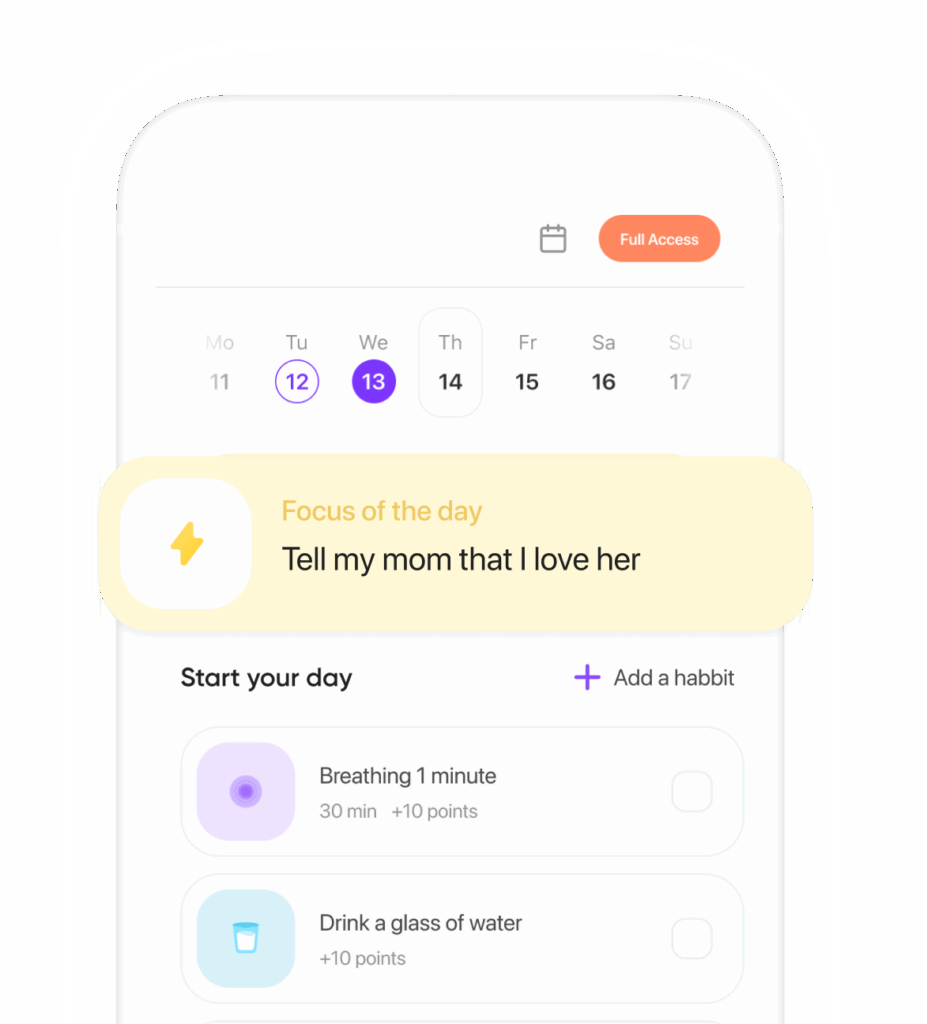
Immediate feedback is king. It reveals patterns, pinpoints chinks in the armor. Whether you use digital tools like Habitica or old-school bullet journals, tracking keeps you honest and provides a concrete reminder of your growth.
- Embrace the Two-Day Rule
Popularized by YouTuber Matt D’Avella, the rule forbids skipping a habit two consecutive days. Life throws curveballs—and missing once is human; just ensure it doesn’t set a precedence.
The Science of Rewards
Ever wondered how to keep a habit’s reward alluring enough to fortify it? Neuroscience says dopamine levels spike not in the presence of a reward but in anticipation of it. This eagerness is what drives motivation. Celebrate the smaller victories—Jason, 32, hit his weight loss milestone, but the intrinsic reward, feeling healthier, wasn’t instantly apparent. By rewarding himself with a modest treat or an extra episode of his favorite series, he stayed the course.
Overcoming Obstacles
Let’s acknowledge reality—you’ll meet hurdles. Stress, life changes, or the deceptive charm of current habits might sidetrack you. The secret lies in preempting obstacles and plotting your path accordingly.
- Plan for Failure
A failure plan might sound defeatist, but recognizing that missteps are part of the journey is crucial. If a day slips away, skip the guilt trips. Scrutinize the oversight and recalibrate.
- Modify, Don’t Abandon
When a habit becomes stale or intimidating, tweak it, don’t trash it. Adjustments keep habits engaging, preventing burnout and routine monotony.
- Seek Support
There’s an understated power in social support. Share your ambitions with comrades, or join communities with aligned objectives. It’s a concept known as “social contagion,” where behaviors and attitudes ripple through social clusters.
Building the Habit of Resilience
Good habits do more than just polish self-improvement—they build resilience. A resilient soul rebounds from setbacks, persevering through adversity. As you cultivate good habits, you’re fortifying resilience, endowing yourself with the psychological flexibility to navigate life’s curveballs.
Looking Beyond the Horizon
What’s the definitive takeaway on sculpting good habits for enduring success? The journey prizes progress over perfection. Real-life narratives like Maya’s illustrate that even amid significant upheavals, habitual frameworks can engender stability and accomplishment.
Foster patience and consistency. A quick-fix mindset tends to backfire. Good habits are seeds sown today for a harvest of future success and fulfillment—your personal chronicle in the making.
The Bottom Line
Here lies a guide not only about carving new habits but about architectural plans for the life you’ve dreamed of. Lasting habits aren’t some elusive enigma; they can materialize into your everyday reality. Remember, each small stride is a bound towards enduring success and a testament to your drive for personal evolution.
References: