Table of Contents
- The Myth of Overnight Success
- Why Consistency Matters
- Unpacking the Science Behind Habits
- How to Build Good Habits Daily
- The Role of Accountability Partners
- Overcoming Common Pitfalls
- Fueling Habits with Purpose
- Bringing It All Together
- The Bottom Line
- References
The Myth of Overnight Success
The allure of instant success can be deflating. Consider the tale of Maya, a marketing exec in her late 20s, grappling with the turmoil of a divorce. Her career and personal life? In disarray. Initially, she believed in the magic of drastic changes, convinced they held the key to her problems. Yet, it was the small, consistent daily habits that led to her profound transformation. Her story underscores a core truth: true success frequently emerges through steady commitment and not from sporadic bursts of effort.
Why Consistency Matters
Before diving into strategies, it’s critical to grasp why consistency looms large in habit formation.
“Our brains thrive on repetition. Consistency crafts the framework permitting habits to solidify at a neural level, eventually becoming second nature.”
— Dr. Sarah Chen, Clinical Psychologist, NYU
You see, every time a behavior is repeated, pathways in the brain are strengthened through a process called myelination. This renders the action more instinctive—a pivotal advantage in habit formation. According to an insightful piece from the European Journal of Social Psychology back in 2021, it takes an average of 66 days to cement a new habit. For complex behaviors, it can take even longer. Patience and unwavering dedication truly pay off in this journey.
Unpacking the Science Behind Habits
Why do some habits endure while others fade? The explanation lies within the ‘habit loop’—a concept popularized by Charles Duhigg. This loop consists of a cue, the routine behavior, and a reward: the cue prompts your brain to begin a behavior, the routine is the behavior itself, and the reward helps your brain determine if this behavior merits repetition.
Take John, for example, a self-proclaimed night owl trying to embrace early-morning workouts. His cue? Placing workout clothes next to his bed. Routine? Rising early and exercising. The reward? A surge of energy and that sweet endorphin rush. By repeating this loop, his morning workouts gradually became second nature.
How to Build Good Habits Daily
Now that the mechanics of habit formation—and its importance—are clear, let’s delve deeper into practical steps:
- Start with One Bread-Crumb Habit: Start with a habit so small, it’s laughable to falter. This could be making your bed each morning or downing a glass of water right after waking. Productivity guru Lisa Woodruff, the brain behind Organize 365, suggests:
“Select a habit so trifling that failure isn’t an option. Success fuels motivation for grander habits.”
— Lisa Woodruff, Productivity Guru
- Stack Your Habits: Utilize ‘habit stacking’, where you link a new habit to an existing one. If coffee is part of your morning ritual, tack on ten minutes of journaling afterward. This approach builds on neural pathways already in place, making the adoption of new routines smoother.
- Practice Patience and Self-Compassion: You’ve heard the saying, “Rome wasn’t built in a day.” The same goes for your habits. Expect setbacks. Allow yourself to stumble, but continue striving.
“Perfection isn’t the aim—progress is.”
— Dr. James Clear, Author of “Atomic Habits”
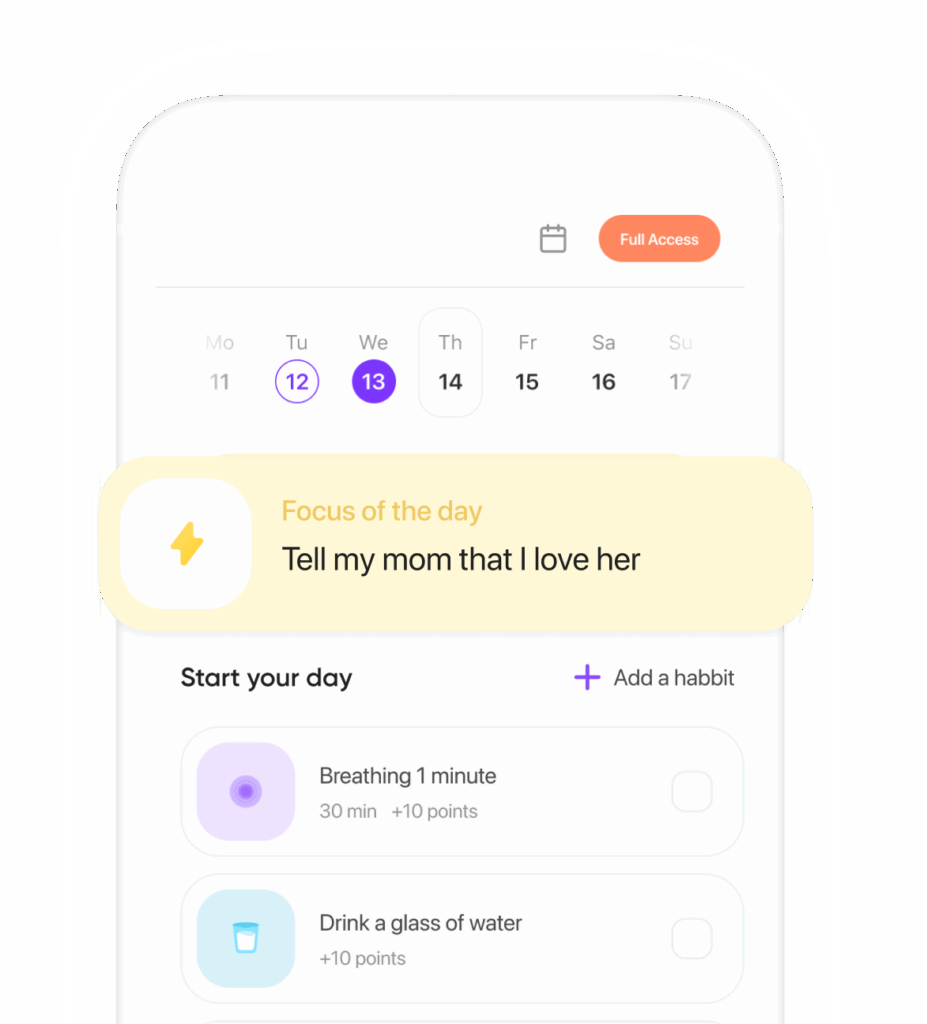
- Leverage Technology: In the digital age, technology can be your ally in habit formation. Countless apps exist to track and remind you of your goals, which can be pivotal in celebrating those small wins.
The Role of Accountability Partners
In this journey, having an accountability partner can significantly increase your chances for success. Shared experiences lessen artificial barriers, anchoring your commitment further. A study by the American Society of Training and Development once noted that your success probability spikes by 65% with a partner—and zooms to 95% with regular follow-ups.
Consider Cindy and her gym buddy, Dave. Their mutual accountability transformed sporadic gym visits into regular, rewarding routines—a testament to the power of partnership.
Overcoming Common Pitfalls
New habits often face hurdles—burnout, distractions, and sky-high expectations. Tackling these requires resilience:
- Acknowledge and Adjust: Consistently evaluate whether your habits align with broader goals. At times, they may need recalibration to better serve your overarching vision. Adjust with grace, without guilt.
- Implement the Two-Minute Rule: Demotivation strikes? Begin with the bare minimum. Most habits can be initiated in under two minutes. Hoping to read more? Just open a book first.
- Reward Progress, Not Perfection: Celebrate the small wins. Acknowledging milestones can elevate dopamine, fostering further motivation and habit reinforcement. Opt for non-food rewards—a relaxing bath, perhaps?
Fueling Habits with Purpose
Reflect on the essence of your goals. Do they resonate deeply? Revisiting your motivations can unearth surprising insights. For Adam, late-night work sessions were tokens of corporate success. Eventually, he found that cultivating morning routines better aligned with his values—health and creativity.
As Dr. Angela Duckworth wisely puts it in Grit,
“True achievement blends passion—an invincible mix with perseverance.”
— Dr. Angela Duckworth, Author of “Grit”
Bringing It All Together
Truth be told, embedding new habits demands understanding, strategic execution, and resilience. It’s as much about the journey as it is the goal. Whether it’s a solitary habit or shared accountability, ensure the methods gel with your lifestyle. Draw intrinsic motivation from aligning habits with core values.
Think of Maya again—each small, considered step post-crisis offering not just solace, but reinvention. Her narrative, like many others, highlights the uniqueness of everyone’s path to habit mastery.
Ready to embark on yours?
Key Takeaways
- Building good habits through daily consistency is a gradual process that transforms lives.
- Leverage the habit loop—cue, routine, reward—to effectively form lasting habits.
- Utilize habit stacking and start with small, manageable habits to encourage motivation.
- Accountability partners can significantly increase the likelihood of maintaining habits.
- Reflect on your motivations to ensure your habits align with your core values for sustained progress.
The Bottom Line
Building better habits isn’t about speed. It’s a journey of small, consistent actions that align with your personal values and goals. Embrace patience, leverage the power of technology and partners, and celebrate your progress along the way. Each step forward is a victory on your path to success.
References
- European Journal of Social Psychology.
- American Society of Training and Development.
- The Power of Habit by Charles Duhigg.
- Atomic Habits by James Clear.
- Grit by Angela Duckworth.