Table of Contents
- Grasping the Psychology of Habit Formation
- Setting Yourself Up for Success
- Navigating Roadblocks
- The Environment’s Influence on Habit Formation
- Delving Into the Science of Change
- Cultivating a Growth Mindset
- Real-Life Example: Maya’s Transformation
- Engaging in Lasting Change
- The Bottom Line
Grasping the Psychology of Habit Formation
Getting a handle on how habits are formed isn’t just interesting—it’s crucial. Did you know that researchers at University College London found that it takes an average of 66 days to cement a new habit? Not exactly a quick turnaround. It’s all about a neurological loop that involves a cue, a routine, and a reward.
“Lasting habits come from manipulating the loop in your favor.”
— Dr. Sarah Chen, Clinical Psychologist
So, focus on the triggers—be they external cues or internal urges—and align them with enjoyable routines and satisfying rewards. Simple? Well, not quite.
Setting Yourself Up for Success
Take a page from Maya’s book—a 28-year-old navigating the choppy waters of post-divorce life. She wanted new habits to anchor her amidst the turmoil. Like anyone, she stumbled at first until she acknowledged the power of starting small. Her revelation? Micro-habits: the kind that seem too small to fail but can spiral into significant change.
Why the Little Things Matter
There’s something fundamentally rewarding to our brains about completing tasks. Each one sparks a hit of dopamine, reinforcing the behavior. This snowball of success builds motivation and can quell feelings of overwhelm. Isn’t that what we all need?
How You Can Dive In
- Spot Your Keystone Habit: Find that one change that packs a punch. Charles Duhigg, who penned “The Power of Habit,” suggests transformative keystone habits like regular exercise can shake up everything—from productivity to mood.
- Apply the Two-Minute Rule: Start with actions so minor they take just two minutes. Not running a marathon, just tie up those laces and walk around the block.
- Establish Clear Cues: Consistency craves repetition under the same conditions. This means tying your new habit to an existing one. Want to kick off meditation? Tag it to your morning coffee ritual.
Navigating Roadblocks
Life doesn’t pause for our best-laid plans—unexpected duties crop up, emotions fluctuate, or plain tiredness hits hard. How you react matters hugely in habit formation.
Cracking the “Why”
Experts emphasize that clarity on your motivations can’t be overstated.
“Your drive is what powers your persistence.”
— James Clear, Author of “Atomic Habits”
If your goals aren’t emotionally or practically anchored, sticking with them will be an uphill battle.
Sticking to Your Game Plan
- Foresee Barriers: Don’t wait for problems to strike. Identify potential hurdles in advance and devise ways to navigate them. Plan for disruptions like a scout on a mission.
- Break Negative Cycles: Certain cues lead to unfavorable habits—break the chain. If stress leads you to snack mindlessly, opt for alternatives like a brisk walk or a moment of stillness.
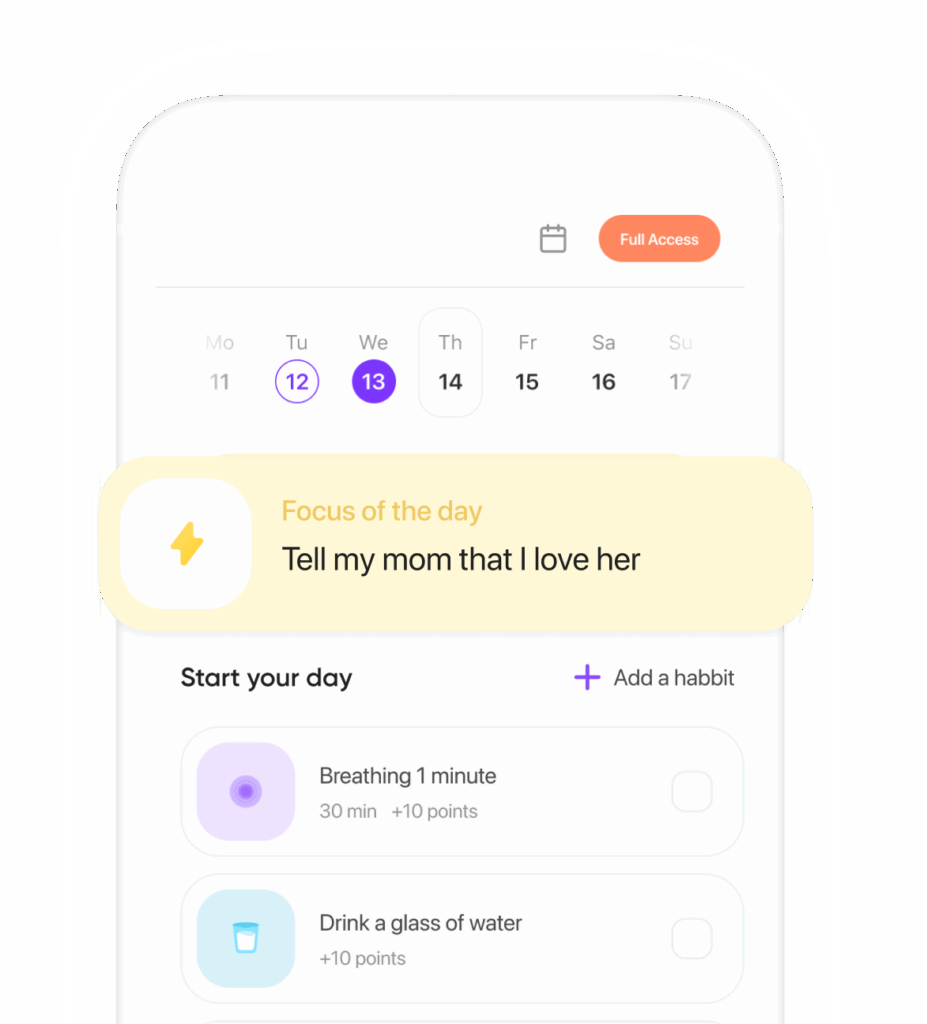
- Foster Accountability: Friends, coaches, or even technology can hold you accountable. Weekly check-ins or apps that track habits can keep your progress visible.
The Environment’s Influence on Habit Formation
Our surroundings subtly steer our decisions every day; they’re powerful allies in creating habits.
The Weight of Your Environment
Humans are social beings—our environments shape us often without our noticing. Remember that CDC observation about easy access to junk food being linked to poor dietary choices? On the flip side, readily available wholesome foods can nudge us toward better habits.
Crafting a Supportive Setting
- Tidy Up: An ordered environment tends to reflect a clearer mind. Minimize distractions to zero in on building those habits.
- Use Visual Reminders: Goals need reminders. Whether it’s post-its or strategically placed workout gear, keep your goals in sight and in mind.
- Minimize Resistance: Make habits feel effortless. Love reading more books? Scatter them throughout your home for easy access.
Delving Into the Science of Change
Knowing the neurological and psychological fibers of change can arm you against challenges.
Willpower’s Limits
Willpower, believe it or not, isn’t limitless. Stanford psychologist Dr. Kelly McGonigal suggests that self-control is bolstered by rest and managing energy levels—a crucial insight for anyone seeking sustainable change.
Putting Insights to Work
- Routinize Habits: Eliminate decision fatigue by standardizing decisions. If workout motivation wanes, try structuring an unmissable routine: “I workout right after work. No exceptions.”
- Track Emotional Cues: Be aware of your emotional landscape affecting behavior. Journals or therapy might help untangle patterns.
- Rest Isn’t a Prize: Embed rest consistently in your schedule. It boosts resilience, sharpens mental faculties, and recharges commitment.
Cultivating a Growth Mindset
Believing you can grow, as championed by psychologist Carol Dweck, can make all the difference. Skills? Intelligence? They can evolve with effort and perseverance.
The Mindset-Habit Connection
Thinking you can change enhances your likelihood of success. Optimistic mindsets breed ambition and lead to breakthroughs.
Ways to Foster This Mindset
- Learn from Setbacks: Every stumble is a lesson, not a defeat.
- Find Inspiration: Immerse yourself in stories of success. Communities focused on growth can be particularly invigorating.
- Celebrate Small Wins: Recognize progress, no matter how incremental. The journey matters just as much as the destination.
Real-Life Example: Maya’s Transformation
Let’s circle back to Maya. Armed with new strategies, she nurtured a morning meditation practice and revitalized her passion for painting. That modest five-minute meditation served as her emotional anchor, helping her re-explore forgotten joys. Spurred by this triumph, she broadened her focus to embrace healthier eating and consistent workouts with newfound self-belief.
Engaging in Lasting Change
As you embark on your transformative journey, ponder this: Which habits truly mirror your values, elevate your wellness, and shape the life you aspire to lead? By focusing on meaningful habits and harnessing these time-honored tactics, you have the power to reshape your future.
Creating good habits isn’t about overhauling your nature. It’s about grasping the science, celebrating small victories, and persisting with self-kindness.
Key Takeaways
- Establishing lasting habits takes time, with an average of 66 days to form a new habit.
- Starting small with micro-habits can lead to significant changes.
- Your environment plays a crucial role in habit formation; streamline your surroundings to facilitate success.
- Accountability can enhance habit adherence, whether through friends or apps.
- Cultivation of a growth mindset is essential for developing new habits.
The Bottom Line
Fostering meaningful, lasting habits is within reach through intention, discipline, and leveraging powerful tools. Let’s seize this moment to create the change you crave.
References
- CDC – Healthy living statistics
- Kelly McGonigal on self-control
- University College London study on habit formation