Table of Contents
- The Psychology Behind Habit Disruption
- Introducing Mindful Reflection
- Setting Realistic Goals
- Leveraging Accountability
- Embracing Flexibility
- Rewarding Progress
- Drafting a Vision Board
- Staying Inspired
- Integrating Technology
- Closing Thoughts
Key Takeaways
- Setbacks are common but can be opportunities to reassess and reshape habits.
- Mindful reflection helps clarify priorities and adjust routines for new realities.
- Setting realistic, small goals creates momentum and builds confidence.
- Accountability through community support enhances motivation and commitment.
- Flexibility in routines allows for adaptability and reduces stress during habit rebuilding.
The Psychology Behind Habit Disruption
Before we talk tactics, let’s first unpack why setbacks send our habits into a tailspin.
“Habits thrive on repetition in a steady environment. But when things change abruptly, whether it’s moving house or a personal crisis, the behavior loop gets disrupted.”
— Dr. Sarah Chen, NYU
According to an American Psychological Association (APA) study, habits bank heavily on environmental cues. Disturb those cues with a bit of life’s chaos, and it’s little wonder routines crumble (APA). The takeaway? When habits falter, it’s not sheer lack of grit but a change of scene—and that shift in perspective? It can be empowering if we let it.
Introducing Mindful Reflection
Consider Maya, who, at 28, found herself unraveling after her divorce last year. Her once meticulous routine dissolved in the tides of emotional pain. Sound familiar? Setbacks often unleash the same reaction: struggling to piece back the shards of daily life.
The Strategy: Enter mindful reflection. It’s a chance to pause and inventory how your priorities have reshaped. What parts of your routine sparked joy? Which ones could morph to fit your new reality?
Why It Works: Being mindful turns down the volume on stress and anxiety, those unwelcome companions to setbacks, letting you regain a little clarity (NIH).
Setting Realistic Goals
After a stumble, regaining habits is less about clinging to what once was and more about forging a sustainable new path. Start small. Realistic goals? They’re within reach, offering you early wins that fuel momentum.
The Advice: Dr. John Bates, a maestro of behavioral tweaks, recommends the trusty ‘SMART’ criteria—Specific, Measurable, Achievable, Relevant, and Time-bound—to realign your goals.
Applying This: If working out was your thing, ease back in with a manageable 10-minute walk instead of diving headlong into marathon training. Build it up slowly—confidence takes time to rebuild.
Leveraging Accountability
In our hyperconnected world, accountability could become your firmest ally. Mikael, 30, who hit a rough patch after his startup floundered, found his lifeline in online communities.
Why It Works: Social accountability fulfills a basic human need: for support and validation. Stanford research shows that sharing goals publicly bumps up the chances of actually reaching them (Stanford).
How to Implement: Engage with a swirl of fitness groups, hobby forums, or simply a friend in your corner. The internet’s wealth of apps and platforms is geared towards creating these support structures.
Embracing Flexibility
When it comes to habit-rebuilding post-setback, stubborn rigidity can be your nemesis. Life morphs—and adaptability? That’s your ace. Picture Casey, a new mom wrestling her way back to her fitness routine after childbirth, finding refuge in a flexible regime.
The Science of Flexibility: Dr. Emily Chan suggests that embracing flexibility eases pressure, shining the spotlight on successes, not just setbacks.
Practical Tips: Ditch rigid schedules. Instead, keep a list—a flexible, adaptable reminder of what’s doable. Ever-changing like business’s agile methodologies, it encourages a more responsive approach.
Rewarding Progress
Encouraging behaviors rewards them—simple enough, right? Rewards have a curious way of powering motivation, coaxing you back into the habit groove.
Implementing Rewards: Design bite-sized milestones and celebrate them. Elaborate? Not necessary. Simple acknowledgments, whether a relaxing routine or a cherished meal, suffice.
Why It Works: The brain’s dopamine circuitry, the feel-good pathway, lights up with rewards, reinforcing that virtuous track (Harvard Health).
Drafting a Vision Board
Vision boards—magical, motivational anchors during the habit rebuilding phase. After a sudden layoff, advertising exec Jessica turned to a vision board populated with aspirations and dreams. Her goals, now in tangible view.
Creating Your Board: Collate images, key phrases, and quotes that shout out to your desires. Arranging them visually? It nudges those dreams closer to reality, grooving those aspiring habits into your everyday.
Staying Inspired
Inspiration: it’s the fuel for habit-making engines. Surrounding yourself with positivity, be it through literature, podcasts, or mentors who resonate with your journey, can be transformative.
Renewed Energy Source: Dive into workshops or seminars that align with your aims. Continuous learning often reignites perseverance.
Integrating Technology
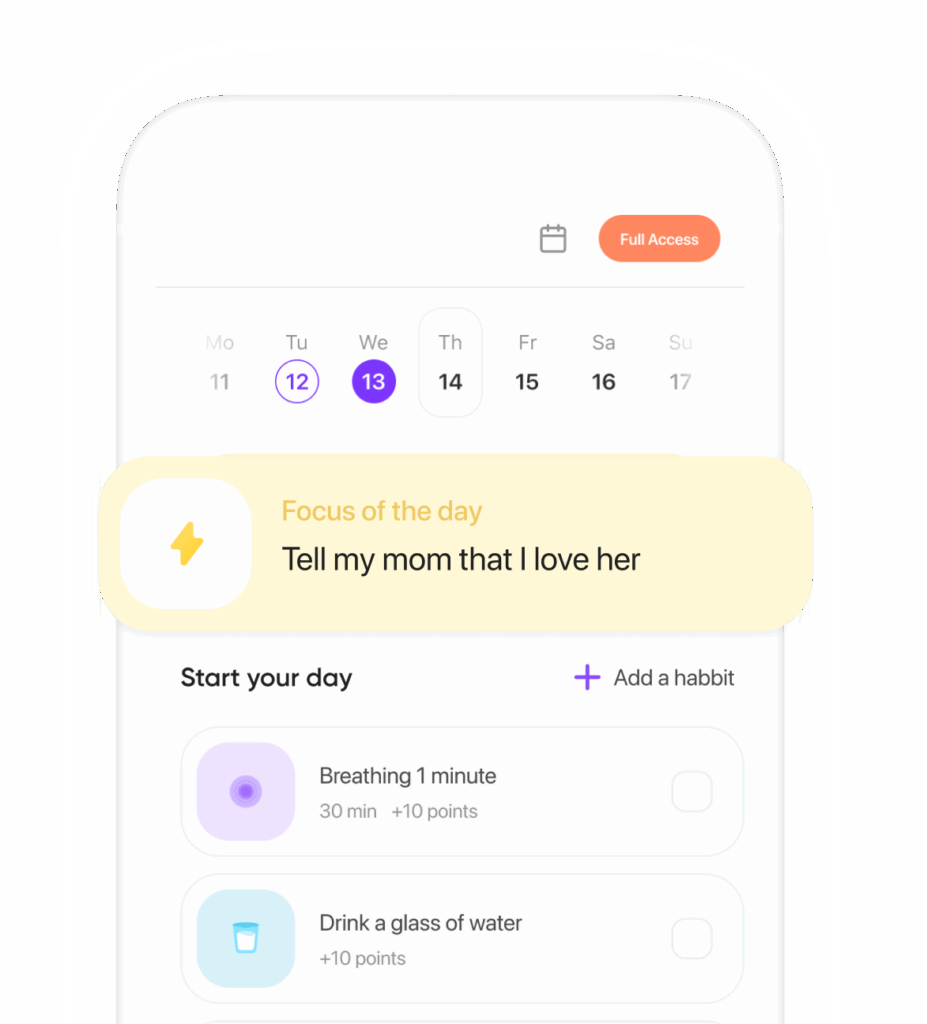
Today, technology threads its way into almost every ounce of our lives. Apps and digital tools meant for habit tracking and daily planning can be game-changers. Like for Monica, a graphic designer with ADHD, an app-based tracking tool revitalized her work efficacy.
Why Apps Help: They dole out structure and visual cues on progress—comforting and spurring motivation when trying to resurrect habits. They’re digital companions on this journey.
How to Find the Right One: Seek out apps that match your very needs. Simplicity, good looks, and customization are your selection cues.
Closing Thoughts
Setbacks—they’re inevitable companions. Yet, they usher in a rare chance to reevaluate and sculpt habits truer to you. While the path of habit revival might seem steep, take heart in knowing you’re not walking it alone. The strategies here are not just guides; they’re your starting blocks.
When doubt whispers, lean on this: resilience thrives in adversity. Cherish those steps, however small, on your journey to reclaim and redefine your habits—and remember, sometimes, the path that breaks is the one that teaches us how to rebuild better.
The Bottom Line
Setbacks might throw your well-meant habits astray, but reestablishing them remains within arm’s reach with the right mindset and tools. Keep it simple, let flexibility guide you, find community, and revel in progress with each small win. With thoughtful effort and a trusty support system, your newly built habits can take root and thrive once more.