Table of Contents
- Decoding the Psychology Behind Habits
- The Common Pitfalls of Habit Formation
- Building Blocks to Cultivate Consistency
- Navigating Habitual Hurdles
- Embracing Technology to Strengthen Habits
- Shaping a Customized Habit Strategy
- Toward a Brighter Tomorrow: Embrace Your Potential
Decoding the Psychology Behind Habits
Before you venture into crafting solid habits, pause and ponder upon what a habit actually means. According to Charles Duhigg in The Power of Habit, habits unfold as loops comprised of three distinct phases: a cue, a routine, and a reward. This cycle functions at a neurological plane, where the brain briskly identifies a trigger, transitioning into automatic conduct that awaits a reward.
“When a behavior becomes repetitive, it transforms into a habit. The brain starts expecting the reward, releasing dopamine which motivates us to repeat the behavior.”
— Dr. Sarah Chen, Clinical Psychologist, NYU
To put it differently, our brains are pre-wired to crave certain actions due to habit programming.
The Common Pitfalls of Habit Formation
Take the case of Maya, a 28-year-old whose life took a turn through divorce—she hoped to cope with her emotions by journaling daily. Despite her initial resolve, she soon found the practice became sporadic rather than regular. Sound familiar? Many share this struggle. Statistics suggest nearly 80% of New Year’s resolutions falter by February, as revealed by a University of Scranton study. Why is this the case?
One can trace a portion of the problem to the setting of overly ambitious targets, nebulous plans, or a lack of immediate rewards. We aspire to run marathons without first taming a 5K. Overcoming this requires humility, a focus on small victories, and visible progress.
Building Blocks to Cultivate Consistency
Begin with Small Steps
Rather than revolutionizing your entire existence, select a manageable habit to begin with. Want to read more? Commit initially to just a pair of pages each evening. Leo Babauta, an advocate for simplicity, underscores its significance:
“Habits demand initial willpower. Smaller changes pose less resistance, making success more attainable.”
— Leo Babauta, Author
Why it works: The brain easily embraces smaller objectives, fostering automization. Achieving these goals sparks dopamine release, promoting habit loops.
How to implement it: Choose a habit to nurture. Break it into its simplest form. Devise a clear plan—replace “I want to meditate” with “I will meditate for two minutes after brushing my teeth.”
Design for Consistency
If you’ve faced fluctuating commitment, here’s a simple truth: routines breathe life into habits. Embed your habits within existing routines. Known as “habit stacking” (James Clear, Atomic Habits), this method links new habits to established ones for smoother integration.
Why it works: Existing routines provide dependable cues, boosting the likelihood of embracing automatic behaviors.
How to implement it: Attach a new habit to a well-ingrained practice. Already have a morning coffee ritual? Add a quick review of the day’s calendar alongside it.
Track Your Progress
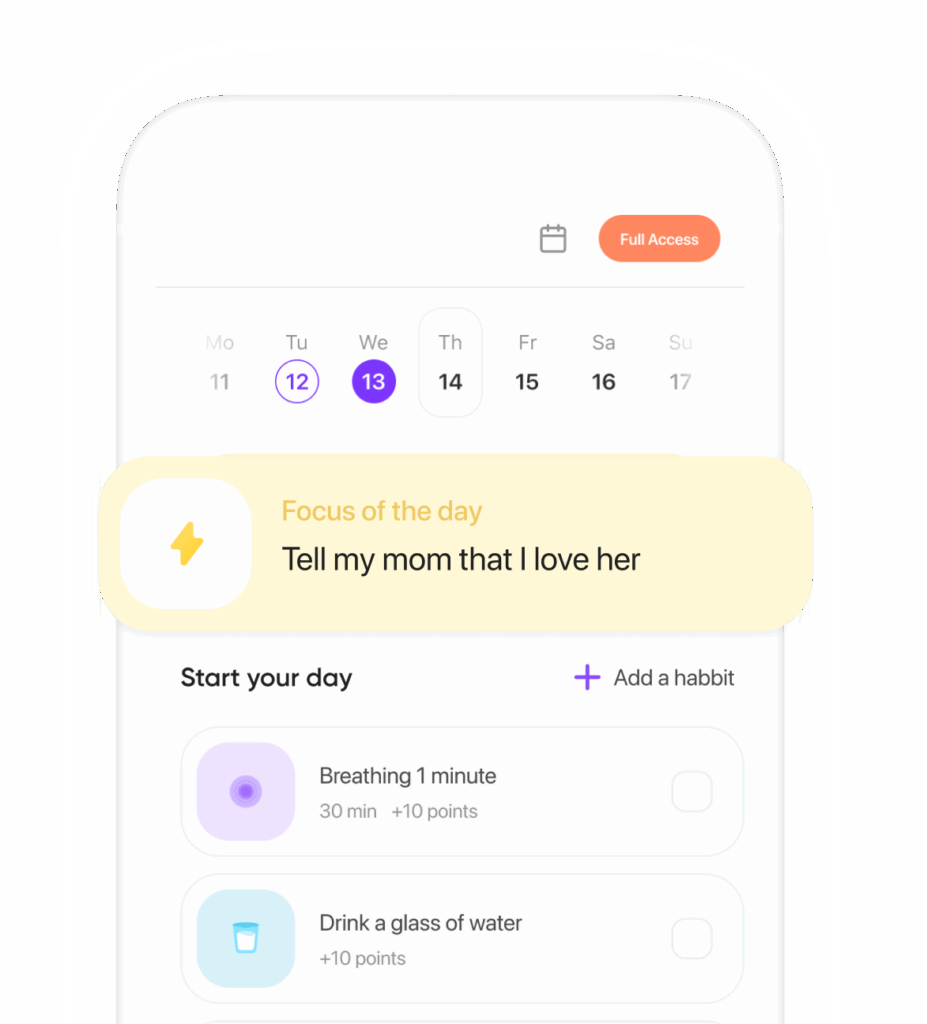
The joy of ticking off finished tasks is real, isn’t it? Tracking habits has proven to elevate adherence significantly. Whether through a basic checklist or an app, it consistently nudges you forward.
Why it works: Observing tangible progress activates your brain’s reward center, strengthening the habit cycle.
How to implement it: Use a diary, app, or wall calendar for logging daily habit completions. This visualization keeps you motivated and provides an opportunity for reflection.
Forge an Accountability Network
Sharing your aspirations can enhance commitment levels. Announcing your new habits to others places an extra layer of responsibility on your shoulders.
Why it works: Accountability encourages external motivation, helping you maintain habits as you seek not to disappoint those aware of your goals.
How to implement it: Team up with a friend eyeing habit transformation or join online communities. Schedule regular progress check-ins.
Navigating Habitual Hurdles
Habits aren’t cultivated in a vacuum. Hurdles are inevitable—be it a demanding job, health concerns, or mental exhaustion. Recognizing these challenges can guide you through them effectively.
The Influence of Environment
Your environment can sway your habits profoundly. Maya discovered that her chaotic surroundings mirrored her mental state. Post reorganization, she observed a marked improvement in both clarity and perseverance regarding her habits.
Why it works: Structure in your surroundings diminishes distractions and alleviates decision fatigue, paving the way for focus and habit maintenance.
How to implement it: Curate your environment to align with your aspirations. If the goal is morning runs, leave your shoes by the door. Need a reading space? Carve out a clutter-free zone.
Responding to Setbacks with Grace
Perfection isn’t the norm, and slip-ups are to be expected. Seeing them as learning curves rather than failures shifts perspective. Dr. Emily Cook, a behavioral therapist, advises:
“Self-compassion is vital. It’s about progress, not perfection.”
— Dr. Emily Cook, Behavioral Therapist
Why it works: Fostering self-compassion builds resilience, ensuring setbacks don’t derail long-term advancements.
How to implement it: View setbacks as instructive feedback. Analyze shortcomings and recalibrate your strategy—maybe adjust timing or manage stressors differently. Then forge ahead.
Embracing Technology to Strengthen Habits
In our digital age, technology can be a double-edged sword—either an empowering tool or a distracting menace. If glued to your smartphone, pivot to apps enhancing rather than hindering habit formation.
Leveraging Habit-Tracking Apps
Millennials and Gen Z swear by applications like Habitica and Loop, designed for straightforward interfaces with hints of gamification, keeping the habit journey engaging.
Why it works: These apps deliver instantaneous insights and progress visuals, bolstering motivation through rewards and consistent reminders.
How to implement it: Install and explore a habit-tracking app; list your habits and play with settings to retain engagement.
Precision Time Management Tools
Many combat procrastination consistently. Employ technology to manage this barrier via tools enhancing focus and efficiency.
Why it works: Organizing time and managing interruptions can bolster productivity, easing habit integration.
How to implement it: Use apps like Forest or a Pomodoro timer to partition work into focused bursts, interspersed with short breaks.
Shaping a Customized Habit Strategy
Forging enduring habits is a deeply personal journey. While foundational principles apply, a tailored approach enhances the likelihood of success.
Grasping Your Triggers
Recognizing the emotional or circumstantial triggers linked to your current habits allows for the development of more beneficial cues for newer habits.
Why it works: Acknowledging triggers paves the way for substituting detrimental habits with constructive ones, gradually reshaping behavior.
How to implement it: Reflect in a journal on what instigates unwanted actions. Identify actions to counteract these and trial them upon triggering.
Celebrate Incremental Success
Little victories count. They’re reasons to celebrate, no matter how small. Recognizing these instills motivation and perpetuates the habit loop.
Why it works: Celebrations release dopamine, creating positive links with habits and encouraging repetition.
How to implement it: Set bite-sized goals within overarching habit objectives. Indulge in something enjoyable upon reaching a milestone.
Key Takeaways
- Understand the habit loop: cue, routine, reward.
- Start small to build consistency and success.
- Leverage routines and accountability for habit reinforcement.
- Utilize technology strategically to track and enhance habits.
- Practice self-compassion to navigate setbacks effectively.
Toward a Brighter Tomorrow: Embrace Your Potential
Building habits for daily consistency blends art and science—a journey that calls for commitment, adaptability, and introspection. Remember, perfection isn’t the endpoint—consistent progress is. The habits you nurture today sculpt your future self, unlocking personal growth and success.
As you traverse this path, lean on tools that resonate with diverse cognitive approaches. For those yearning for a reliable ally, consider Sunrise – ADHD Coach, an app crafted to bolster habit tracking, focus, and planning for an ADHD mind.
Dive headlong into habit formation, a journey of transformation daily leading you closer to the life you envision. Rest assured, you have the strength to achieve this!
The Bottom Line
Building effective habits requires understanding your triggers, setting achievable goals, and utilizing resources that keep you motivated. Embrace the journey as a series of incremental improvements rather than striving for perfection.