Table of Contents
- Delving into the Nature of Habits
- The Magic of Consistency
- Starting Simple: The Art of Minimizing Overwhelm
- Crafting a Personal Habit Loop
- Aligning Habits with Who You Are
- Setting the Scene for Success
- Tracking, Reflecting, and Tweaking
- The Strength of Community
- Navigating Setbacks with Grace
- Small Changes, Big Results: The Compound Effect
- Looking Ahead
Key Takeaways
- Habits follow a three-part process: cue, routine, reward.
- Consistency is key to making habits stick in your daily life.
- Starting small with the “Two-Minute Rule” can help eliminate overwhelm.
- Your environment plays a crucial role in supporting new habits.
- Community and self-compassion are essential for navigating setbacks.
Delving into the Nature of Habits
Have you ever pondered how many of your daily actions are automatic? Back in 2006, a study from Duke University highlighted that almost half—yes, about 45%—of all our daily actions fall into this category. That’s a staggering amount of autopilot behavior, isn’t it? Understanding how these habits form is crucial to leveraging them in our favor.
Habits operate on a three-part process: cue, routine, and reward. The cue nudges your brain to start a particular task, the routine is the task itself, and the reward reinforces the behavior, making it more likely you’ll do it again.
“Habits streamline our brains, freeing up space for tasks that require more cognitive bandwidth.”
— Dr. Sarah Chen, NYU
The journey starts with awareness. Take a closer look at your cues—what initiates your habits now? Once you pinpoint these, you can work on substituting them with routines that genuinely uplift you.
The Magic of Consistency
Ever wondered why some folks seem to glide effortlessly from one habit to the next, while others trip up at every turn? The answer often lies in one word: consistency. It’s a dance, really—one that moves you from mere tasks to an overarching way of living.
Consider Maya, 28, who found herself navigating the emotional whirlpool of a divorce. For her, establishing a consistent workout routine didn’t just sculpt her body but also rebuilt her sense of stability. According to the American Psychological Association, sticking to regular habits can enhance both mental and physical health. It’s not about perfection—it’s about showing up, again and again.
Starting Simple: The Art of Minimizing Overwhelm
Feeling daunted by the thought of flipping your entire routine upside down? Remember, Rome wasn’t built in a day—and neither is a portfolio of new, robust habits. Start small. James Clear, known for his bestseller Atomic Habits, advocates the “Two-Minute Rule”: begin any new habit by committing just two minutes a day. Why? Because small triumphs lead to momentum. And momentum, my friend, is everything.
The science backs it up too. “Synaptic plasticity,” as brain experts call it, suggests that repeated behaviors strengthen neural pathways, making the doing part easier over time. It’s these baby steps that eventually spiral into big leaps.
Crafting a Personal Habit Loop
Now, you’re wondering: how to craft a habit loop that sticks, right? Start with a cue. Maybe it’s the sound of your morning coffee percolating, nudging you towards that 10-minute meditation. Establish your routine around this cue and seal the deal with a reward—be it immediate satisfaction or a long-term gain.
Take Tom, for instance. He turned a caffeine craving into a cue for his newfound reading habit. And guess what? Ten minutes a day with a book turned into his most cherished hour by month-end.
Aligning Habits with Who You Are
If your habits clash with your core identity, they’re just not going to stick. If health is a cornerstone of who you are, then running won’t feel like a chore—it’ll be a necessity.
“To truly adopt a habit, it must resonate with your self-perception.”
— Dr. Melissa Stanford, Stanford University
When habits align with your identity, they stop being tasks on a to-do list—they become part of who you are.
Setting the Scene for Success
Let’s face it, if your environment doesn’t support your aspirations, you’re fighting an uphill battle. Transform your space to streamline success. Clean your desk, stock your pantry with healthy options, and you’ll find you’re inadvertently creating lanes of less resistance for your habits to trail.
Charles Duhigg, who penned The Power of Habit, often emphasizes this:
“Environmental design is a cornerstone for habit evolution.”
— Charles Duhigg
Tracking, Reflecting, and Tweaking
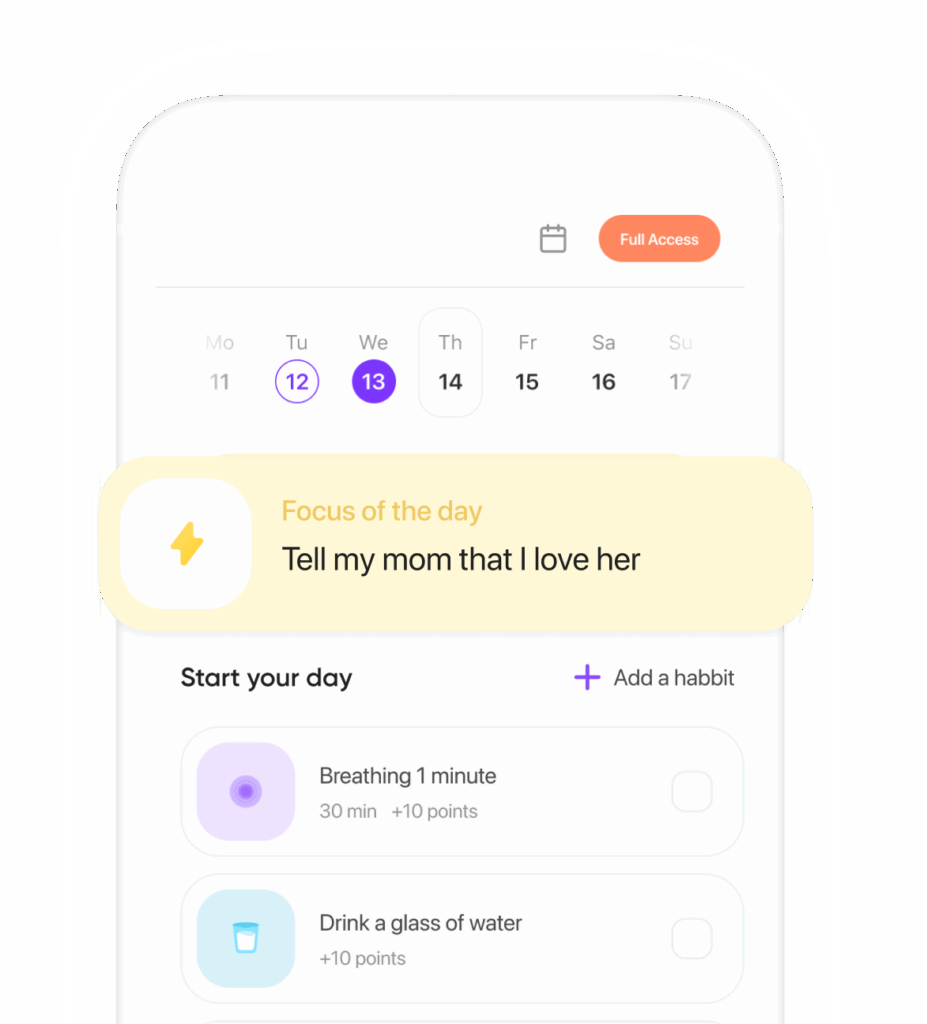
You set the habit train in motion, but how do you ensure it’s heading in the right direction? Track. That’s right, track your progress. Whether with journals or nifty apps, keep tabs on your wins and mini-failures. Reflect on what clicks and what clogs. This isn’t just data gathering—it’s about internalizing your progress and the lessons along the way.
Recording your achievements not only nudges your motivation but, let’s be honest, seeing that track record is deeply satisfying.
The Strength of Community
Underestimate the power of community at your peril. Habits flourish in a nurturing environment. A study in the New England Journal of Medicine underscores this by noting that people are more inclined to adopt new behaviors when part of a supportive network. Kara found her motivation amplified when she signed up with a local running group. The camaraderie gave her a reason to persevere beyond her personal goals.
Navigating Setbacks with Grace
Stumbles are not failures—they are waypoints on your larger journey.
“A gentle understanding of your falter can prevent a negative spiral.”
— Dr. Alice Martin, Harvard
So, hit pause, reassess, and adjust. Every misstep isn’t an end, but an opportunity to recalibrate. What blocked your last attempt? Where can you tweak your approach?
Small Changes, Big Results: The Compound Effect
The beauty of habit-building lies in its cumulative power. Every small, consistent choice creates a ripple, eventually culminating in a tidal wave of change. Darren Hardy’s Compound Effect illustrates this well. Over time, these seemingly insignificant shifts coalesce into monumental transformations—be it in saving financial resources or enhancing your health.
Looking Ahead
In the end, habit-building is not a checklist, but a continuous journey toward self-betterment. These new anchors in your life might unfurl a more meaningful and fulfilling existence.
“The fruition of seeing your consistent efforts materialize over time is a profound motivator.”
— Dr. Sarah Chen, NYU
Will today be the day you begin? Even a single glass of water more, or finally exploring that fledgling hobby, could pave the way for a brighter tomorrow.
Building and sustaining habits for daily consistency can unlock transformative growth. As you blend new routines with your identity, set up a conducive environment, and remain open to adjustments, you’ll discover that consistency isn’t just achievable—it’s life-changing. So, ready to weave these habitual threads into the fabric of your days?
The Bottom Line
Building good habits takes time and patience, but by starting small, creating supportive environments, and seeking community, you can turn your desirable behaviors into second nature.