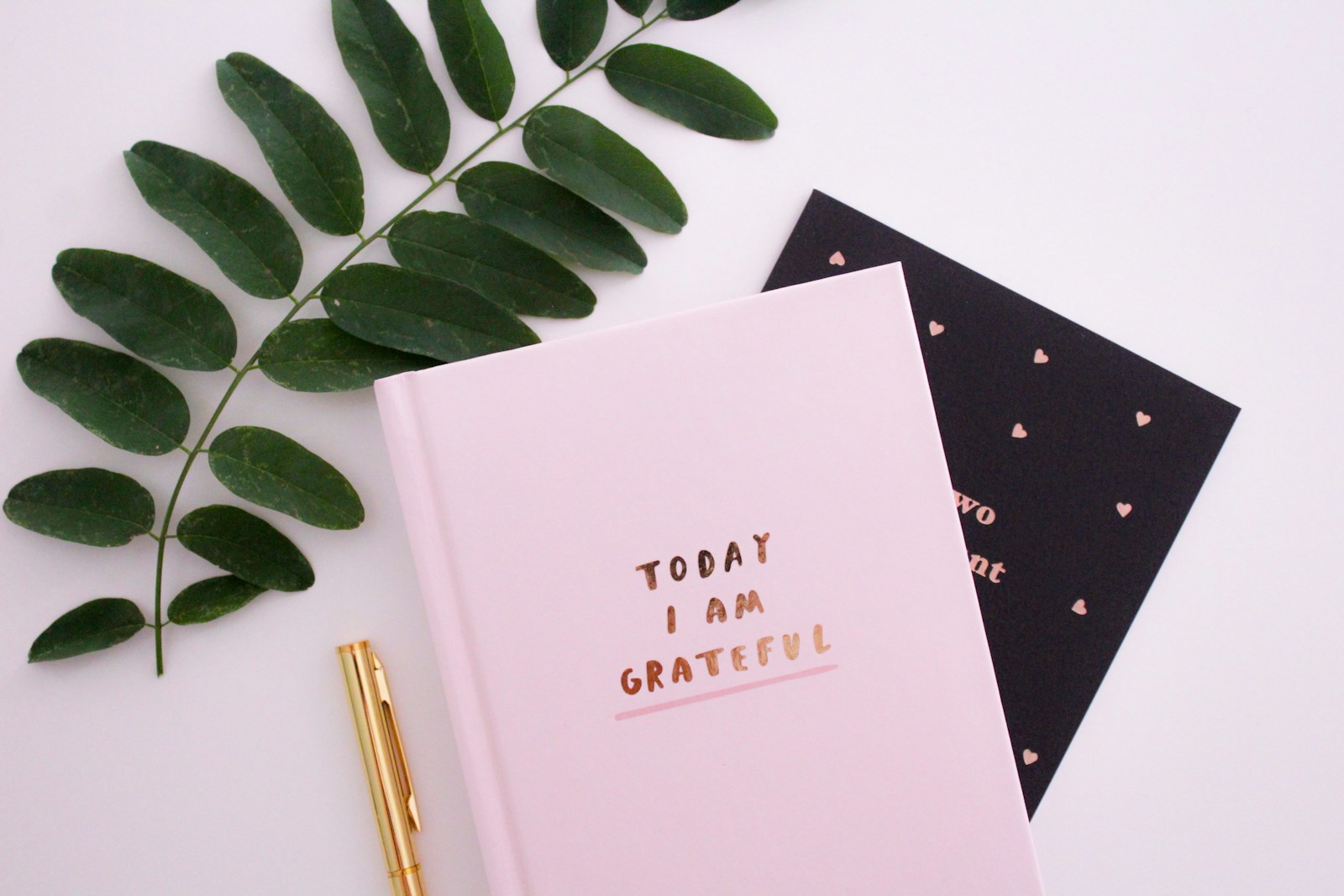

You know that moment when the alarm cuts the dark and your thumb hovers over “Snooze” like it weighs a brick? Ten minutes fold into twenty; the phone pulls you under; by coffee, you’re already behind. If this sounds familiar, you’re not lazy—you’re human. Willpower isn’t the hero here. Design is. Build a morning routine for productivity that carries you—so the first hour does the lifting instead of you.
Key Takeaways
- Design beats willpower: anchor tiny, low-friction actions to fixed cues and let sequence carry you.
- Light, hydration, brief movement, and a protected focus block create the highest-leverage first hour.
- Start micro and stack slowly; durability outperforms intensity over a month.
- Defend single-tasking; early attention is precious and task switching is costly.
- Environment does the heavy lifting—stage props, add friction to distractions, and restart fast after misses.
Why a morning routine for productivity changes your brain and day
Let’s start with the why, briefly. Your brain and body run on circadian rhythms—light-and-dark cycles that calibrate sleep, energy, hormones. Morning light nudges your internal clock into “day mode,” boosting alertness and mood. Harvard Health has been blunt for years: evening screens can shove that clock later and mess with sleep timing. The National Institute of General Medical Sciences notes these rhythms touch everything from metabolism to hormone release. My take? Mornings are underrated technology—cheap, repeatable, and wildly underused.
Sleep is the ground floor. The CDC recommends at least 7 hours for adults; chronic short sleep dents cognition and health. Keep a steady sleep-wake schedule and mornings stop feeling like molasses. Mayo Clinic’s longstanding advice—consistent bed and wake times, even on weekends—sounds boring; it’s also the lever that works.
Movement and mindfulness are reliable morning multipliers. Regular activity supports brain health and tames anxiety, per CDC guidance. It doesn’t need to be heroic. Three minutes counts. On the mental side, NCCIH reports that meditation and mindfulness reduce stress and can improve overall well‑being. I’ve seen two quiet minutes change the slope of my day.
One more thing: attention is fragile. Multitasking isn’t a flex; it’s a tax. The American Psychological Association reports that task switching can slash efficiency, with drops up to 40% when you bounce between tabs. Guarding your first clean hour—before the group chats and headlines—preserves your best brain.
“Most people assume mornings fail because they’re not disciplined enough. But behavior science is boring in the best way—environment and cues drive action more reliably than motivation. Design your mornings, and the actions follow.”
— Dr. Sarah Chen, Clinical Psychologist at NYU
I agree. We don’t muscle our way to habit; we stage it.
Build a Morning Routine for Productivity That Sticks: the simple, durable framework
Think of your morning as a chain of tiny, low-friction moves—each one tipping the next. Here’s a flexible frame you can fit to your life, your energy, your work. In my view, durability beats dazzle every time.
-
1) Anchor your morning to fixed cues
Why it works: Brains love predictability. Tie habits to a cue you already hit—alarm, bathroom light, kettle—and you cut decisions. Automatic is the goal.
How to do it:
- Pick a non-negotiable cue you do daily (alarm off, bathroom, kettle on).
- Attach one 60-second habit to that cue (drink water, open blinds, breathe).
- Keep the cue consistent—even on weekends. Start time can drift; the order shouldn’t.
“Routines stick when the first behavior is frictionless. Even opening your blinds immediately sends a wakefulness signal through light.”
— Dr. Miguel Alvarez, Sleep Medicine Physician, Mayo Clinic
-
2) Plan the night before
Why it works: Morning brains have fewer decision tokens. Pre-deciding removes drag and creates glide. It’s not about doing more; it’s about deciding less.
How to do it:
- Stage clothes, a full water bottle, and breakfast basics.
- Write one 3–5 word Focus Goal for your first work block: “Draft intro slides.”
- Put your phone on airplane mode and charge it outside the bedroom.
Pro Tip: Evening you is the best gift-giver morning you has—prestage your “first 10 minutes” so you can glide, not decide. -
3) Start micro, then stack
Why it works: We overestimate a single morning and underestimate 30 of them. Micro-habits create quick wins—dopamine, confidence—that make the routine self-propelling.
How to do it:
- Begin with 3–5 minutes of movement, not 45.
- Try 60 seconds of breathing or 3 lines of journaling.
- Add one habit every 1–2 weeks once the previous one feels second‑nature.
I’d argue the most sustainable routines feel almost too small—then grow.
-
4) Protect your first focus block
Why it works: The first clean hour shapes the rest. Single-tasking one meaningful action beats toggling between inbox and news. (APA’s switching-costs data still stings.)
How to do it:
- Set a simple timer (25–50 minutes) for one task tied to your Focus Goal.
- Close email and chat until that block is finished.
- Park “later” thoughts on a sticky note to avoid context switches.
Pro Tip: If you only keep one rule, make it this one: one pre-picked task, timer on, all other tabs closed.
What a 15–60 minute morning can look like
You don’t need a two-hour ritual. Pick a lane that fits Tuesday, not your fantasy Sunday.
-
If you have 15 minutes:
- Alarm off → open blinds
- Drink water (8–16 oz)
- Two minutes of box breathing (inhale 4, hold 4, exhale 4, hold 4)
- Five minutes of movement (stairs, mobility, squats)
- Set a 25-minute focus timer and start work
-
If you have 30–40 minutes:
- Alarm off → open blinds → water
- 10 minutes of light exercise or a brisk walk
- Protein-forward breakfast prep (eggs, yogurt, or leftovers)
- 25-minute focused work block
-
If you have 60 minutes:
- Alarm off → light → water + quick tidy (2 minutes)
- 15–20 minutes exercise (bodyweight circuit or walk)
- Five minutes meditation (NCCIH backs mindfulness for stress)
- Protein and fiber breakfast
- 30–40 minute deep work sprint
What to include in a morning routine for productivity (and why it works)
- Light and hydration: Open blinds immediately. Morning light anchors your circadian rhythm (Harvard Health). Drink water—mild dehydration nicks energy and attention, and the CDC is crystal clear that water is foundational.
- Movement: Even short activity supports brain health (CDC). Brisk walks, mobility, a quick push-up set. Do what you’ll actually do.
- Mindfulness: Two to five minutes calms your stress response and sharpens attention (NCCIH). In my experience, one minute is enough to change tone.
- Protein-forward breakfast (optional): If you eat early, go protein and fiber to steady energy. Harvard Health notes the breakfast debate is personal; quality matters more than ideology.
- First focus: A single, pre-picked task. No inbox. No tab surfing. Defend this block like rent is due.
Fuel without the crash
Caffeine: Up to 400 mg/day is generally safe for most healthy adults—roughly 3–4 cups of coffee—per Mayo Clinic. If you’re sensitive, delay your first cup 60–90 minutes to let natural alertness rise. Watch the afternoon pour; it boomerangs into poorer sleep faster than we think. My bias: caffeine is a tool, not a personality.
When life is messy: real stories, real fixes
Maya, 28: Moving through a divorce, mornings blew apart. She set an “anchor trio” for worst days: blinds open, water, two minutes of stretching. That’s it. Two weeks later she added a 10-minute walk. A month in, she had a quiet, repeatable routine that didn’t depend on motivation—just sequence. Not pretty. Effective.
Jordan, 33: A software engineer with ADHD, he couldn’t stop doomscrolling in bed. He started charging his phone in the kitchen and bought a $15 analog alarm. His cue became “alarm off → lamp on → shoes on.” No decisions. He paired a 10-minute bodyweight circuit with a 20-minute timer on his hardest task. “The streak broke plenty,” he told me, “but the recipe didn’t. I always knew how to restart.” That’s the game.
Troubleshooting the most common blockers
- Snooze spiral: Move your alarm across the room and flood the room with light immediately. If you’re short on sleep, fix bedtime first—CDC and Mayo both underscore regularity.
- Phone trap: Airplane mode overnight, charger outside the bedroom. Use a cheap alarm clock. Keep the first 30 minutes screen‑light.
- Overstuffed routine: Cut your routine in half. Keep your anchor trio. Add pieces back when capacity returns.
- No time with kids: Make it modular. Do blinds/water/3 squats with the kids, then split the rest across drop‑off and your first 10 minutes at the desk.
- Shift work: Use the same framework (light, movement, focus) but align “morning” to your wake time with bright light right after you get up (Harvard Health’s light-cue research holds here).
Design your environment to do the work
- Put a full water bottle by the bed.
- Stage shoes and a mat where you’ll trip over them.
- Leave your notebook open with tomorrow’s Focus Goal already written.
- Keep headphones, timer, and a single pen on a clear desk.
- Create friction for distractions: log out of social apps on desktop; park the phone in another room.
“Environment beats effort when you’re tired. A morning routine that sticks is essentially a set of props and triggers that steer you—even half‑asleep.”
— Priya Nair, Productivity Coach and Former Behavioral Scientist
Make it personal—and sustainable
Copying someone else’s perfect morning is a fast track to quitting. Your routine should match your life, energy, and goals. The Guardian once profiled a handful of 4 a.m. CEOs; great story, not a universal blueprint. Choose the few actions that give you the biggest lift.
Build from these questions:
- What’s my anchor trio on the hardest days? (e.g., light, water, two minutes of movement)
- What kind of movement actually happens when I’m tired?
- What breakfast—if any—keeps me steady?
- What is the one task that, if done by 10 a.m., makes the day a win?
Use habit stacking with implementation intentions:
- After I turn off my alarm, I will open the blinds.
- After I open the blinds, I will drink water.
- After I drink water, I will do five squats.
- After I set my timer, I will work on the first sentence of the report.
Notice how tiny each step is. This is how you build a morning routine for productivity that doesn’t collapse the minute life gets hard. Small scales. Then scales again.
Measure what matters
Track only what drives consistency:
- Did I do my anchor trio? Y/N
- Did I move for at least 3 minutes? Y/N
- Did I start my first focus block without email? Y/N
A weekly 10-minute review helps:
- What felt easy? Keep it.
- Where was the friction? Remove a step or change the order.
- What one tweak will make next week 10% simpler?
The 21‑day and 66‑day myths make habit change sound clean. Real life is streaks and resets. Consistency means you restart fast, not that you never miss. Easier said then done—yes—but also entirely learnable.
A sample week-by-week builder
- Week 1: Anchor trio. Alarm off → blinds → water.
- Week 2: Add 3–5 minutes movement.
- Week 3: Add 2 minutes mindfulness.
- Week 4: Guard a 25‑minute deep work block before inbox.
- Week 5: Tune breakfast or caffeine timing if needed.
If capacity is tight, hold at Week 2 for a month. You’re still running a morning routine for productivity that gives you momentum. Progress over optics.
Small science-backed upgrades
- Sunlight walk: Five minutes outside within your first hour supports circadian alignment (Harvard Health on light and rhythm).
- Micro-strength: One set to near‑fatigue (push‑ups, squats) builds strength over time without long workouts (the CDC’s “every bit counts” stance applies).
- Mindful breath before you open the laptop: A two‑minute pause shifts your nervous system toward calm (NCCIH on meditation and stress).
- Single‑task timers: Train against costly task switching (APA’s switching‑costs research).
Scripting two versions helps you keep going
Write your A‑day and B‑day scripts. A‑day is when you slept well and have a little runway. B‑day is when you didn’t.
-
A‑day (45–60 minutes):
- Alarm off → blinds → water
- 15‑minute strength + 5‑minute stretch
- 5‑minute meditation
- Protein breakfast
- 30‑minute deep work block
-
B‑day (10–15 minutes):
- Alarm off → lamp/blinds → water
- 2‑minute mobility
- 1‑minute breath
- 10‑minute deep work sprint
Both are a morning routine for productivity—because both protect your focus. Your identity is built on repeatability, not intensity. That’s the quiet win.
A few guardrails to make it stick
- Sleep first. If you’re routinely under 7 hours, prioritize an earlier bedtime window (CDC).
- Don’t overhaul everything at once. Add one habit every 1–2 weeks.
- Keep your first action effortless. If it’s too hard on your worst day, it won’t anchor you.
- Edit ruthlessly. If a step creates dread, replace it.
- Celebrate starts, not streaks. Two minutes counts.
“People think consistency means perfection. But psychologically, consistency is about identity: ‘I’m someone who starts my day on purpose.’ Even two minutes of action reinforces that story.”
— Dr. Sarah Chen, Clinical Psychologist at NYU
What this looks like in practice
Picture tomorrow. Your phone sleeps in the kitchen. The alarm clicks; you stand to turn it off. Light floods the room; the water bottle is waiting. You move for three minutes while the kettle ticks, then sit for one minute of breathing. By 7:25, a 25‑minute timer is running and you’re on the first sentence of the report that actually matters. Email can wait. You’ve banked a win before the world needs you.
Start where you are. Let your routine be just big enough to make the day easier—and small enough to do on the hardest mornings. When you build a morning routine for productivity that sticks, you stop chasing motivation and start trusting your design.
60-second recap
A durable morning routine for productivity pairs circadian‑friendly cues (light, hydration), tiny movement, a minute of mindfulness, and one protected deep‑work block. Keep steps frictionless, anchor them to fixed cues, and iterate weekly. Prioritize sleep and single‑tasking; let the routine scale with your capacity.
The Bottom Line
Make the first hour carry you. Anchor light and water to your alarm, move for a few minutes, breathe for one, and defend a single, meaningful task. Stage your environment, start tiny, and stack slowly. When life wobbles, restart with your anchor trio. That’s how mornings become momentum—on purpose, on repeat.
Want help making mornings ADHD-friendly? Try Sunrise – ADHD Coach: habit tracking, focus timers, and AI-powered daily planning built for ADHD minds. Start today: https://apps.apple.com/app/adhd-coach-planner-sunrise/id1542353302
References
- CDC — How Much Sleep Do I Need?
- Mayo Clinic — Sleep tips: 6 steps to better sleep
- Harvard Health Publishing — Blue light has a dark side
- NIGMS (NIH) — Circadian Rhythms Fact Sheet
- CDC — Benefits of Physical Activity
- NCCIH (NIH) — Meditation: In Depth
- CDC — Water & Nutrition
- Mayo Clinic — Caffeine: How much is too much?
- APA — Multitasking: Switching costs
- CDC — How much physical activity do adults need?