Table of Contents
- Consistency: The Backbone of Good Habit Formation
- Dissecting the Science of Habit Formation
- Unveiling the Secret Ingredients of Consistency
- Practical Strategies to Stay Consistent
- Habit Stacking: Layering Your Actions
- Crafting a Conducive Environment
- Accountability is More Than Sharing Goals
- Tackling and Surmounting Barriers
- The Long-Term Dividend of Good Habits
- Wrapping Up on Habit Building
- References
Consistency: The Backbone of Good Habit Formation
If you peel back the layers, it’s crystal clear—consistency is what underpins every successful habit. A 2010 study in the European Journal of Social Psychology brings an interesting reality check: it actually takes about 66 days to form a new habit, dispelling the popular “21 days” myth. And yes, persistence across this period is non-negotiable if you want those patterns to truly embed themselves in your day-to-day.
Dissecting the Science of Habit Formation
What’s going on upstairs, you ask? Habits are deeply entrenched in the brain’s wiring. Specifically, the basal ganglia has a big part to play, aligning cues with actions and the ever-enticing reward. Drilling consistent routines over time forges firm neural pathways, making these actions almost instinctive. James Clear, in Atomic Habits—perhaps you’ve heard of it?—says it’s about “consistency, not intensity”. Couldn’t agree more.
Unveiling the Secret Ingredients of Consistency
1. Start Small, Gain Momentum
Time and again, biting off more than you can chew leads to a painful fall. Instead, scale it down to manageable chunks. Want to read more? Just carve out ten minutes a day and see where it takes you. This tactic, slowly but surely, fuels motivation and builds habits that stick.
2. Define Clear, Reachable Goals
I’ve seen this countless times—clear goal setting is non-negotiable. Think SMART goals: Specific, Measurable, Achievable, Relevant, Time-bound. They’re your GPS on this habit journey. Say you’ve set a goal like “Exercise for at least 30 minutes, five days a week”—it’s specific, it’s measurable, and crucially, it’s maintainable.
3. Employ Technology as Your Ally
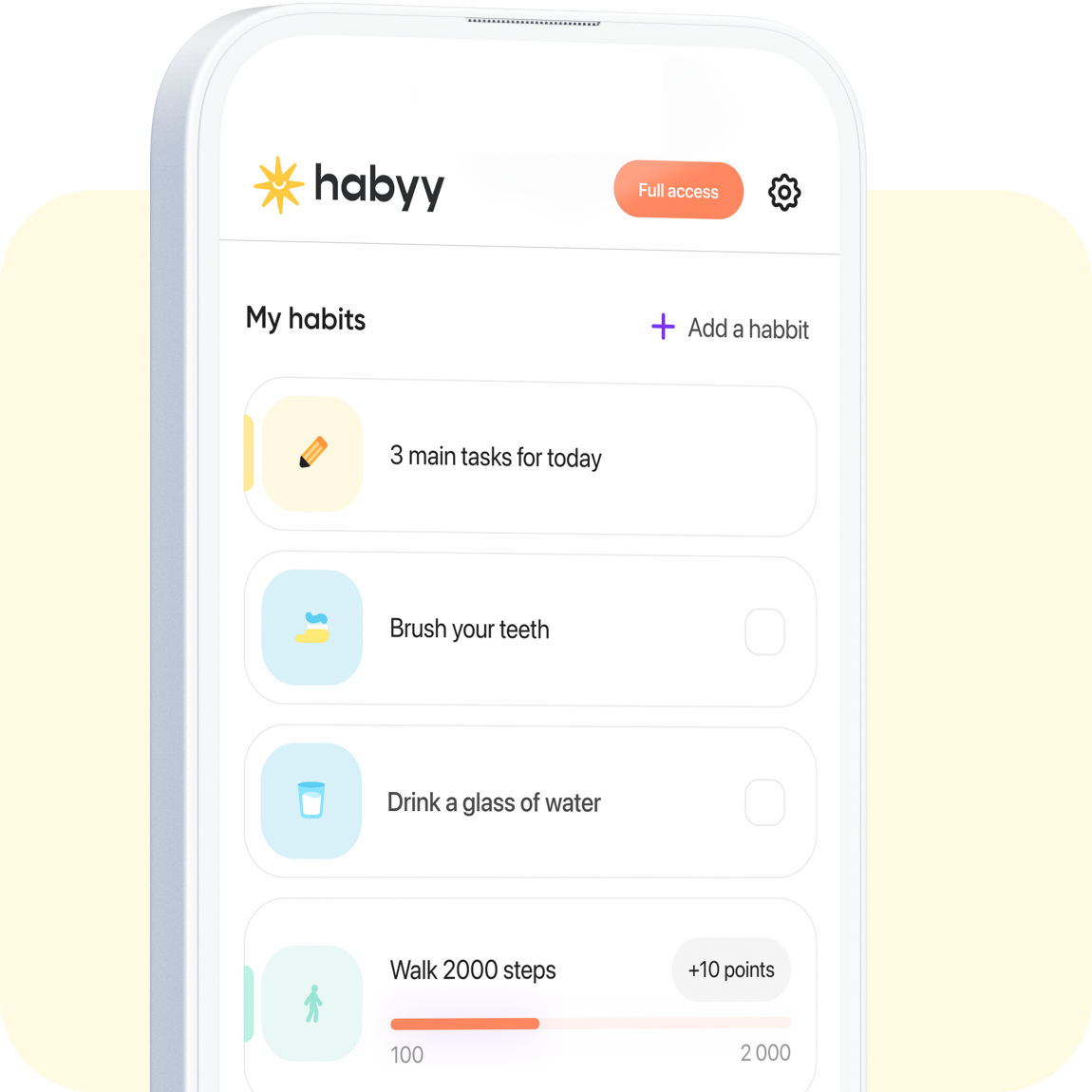
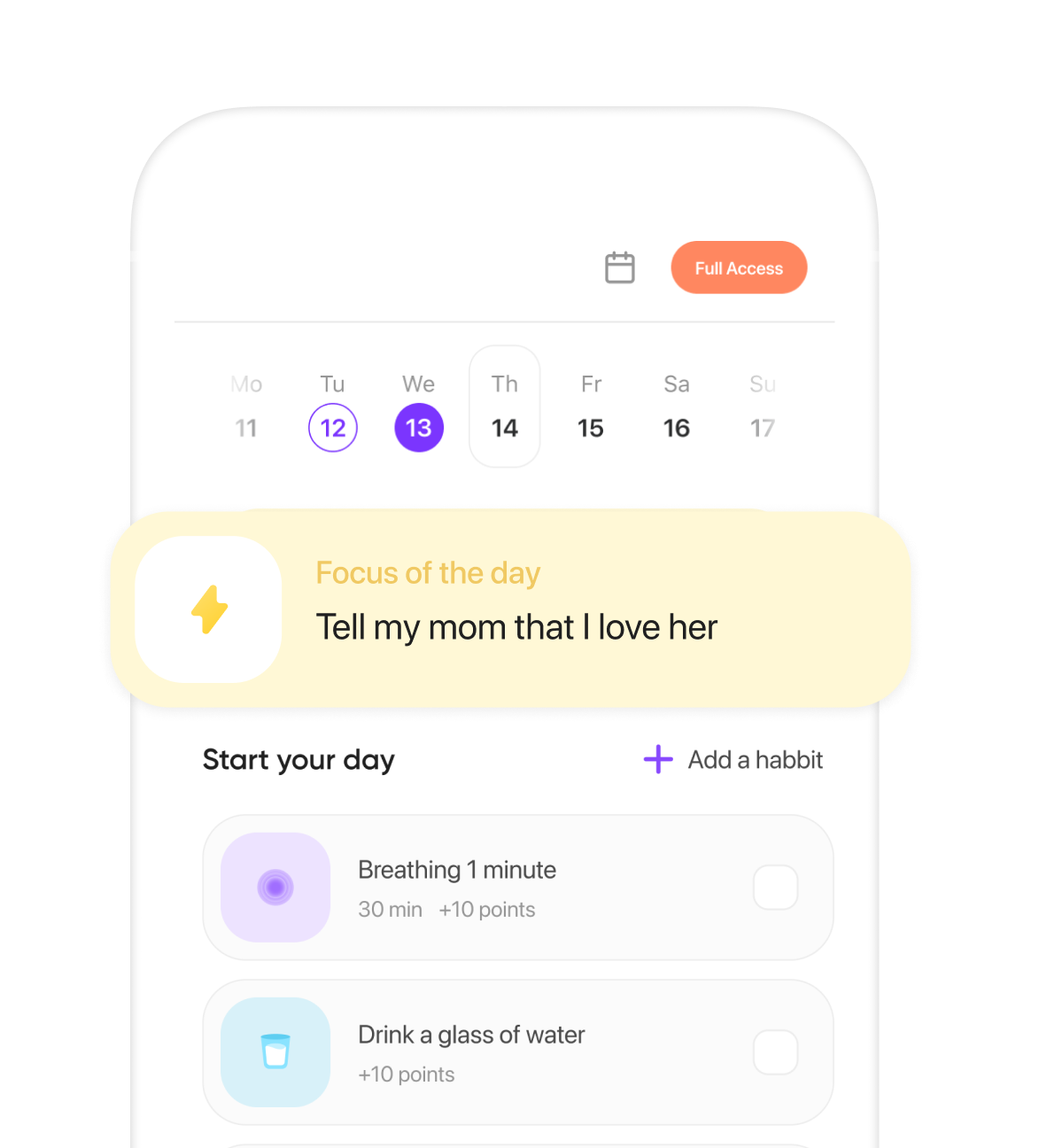
We live in a digital age, lets use it. Tech is that silent partner in your journey to habit formation. Apps like Habitica or Streaks remind you, track progress, and make this excursion less of a chore. It’s gamification, and it works wonders.
Practical Strategies to Stay Consistent
1. Habit Stacking: Layering Your Actions
A nifty trick—habit stacking. James Clear of Atomic Habits fame put it on the map. Let’s say you’re a coffee lover in the morning; why not use that as a cue to slot in a bit of journaling? Build on existing routines, and the transition becomes seamless.
2. Crafting a Conducive Environment
Environment shapes behavior. No doubt about it. Declutter, banish the distractions—create areas that inspire productivity. If reading’s your goal, position books where you spend time. Sounds trivial? Trust me, it works—less stress, more focus.
3. Accountability is More Than Sharing Goals
Having someone hold you ‘accountable’ dramatically boosts your chances of sticking it out. Share your targets with a buddy or group, get that reassurance. Odds are you’ll meet your objectives—together it’s less daunting.
Tackling and Surmounting Barriers
1. Building a Resilience Toolkit
Life’s unpredictability sneaks in, derailing plans. Brace for it with a resilience toolkit: meditate, tweak routines, lean on your support network. It’ll save you when unforeseen hiccups appear.
2. Reflect, Then Fine-Tune
Ever heard Emily Dickinson say, “Consider it again?” Self-reflection’s a powerful tool—set aside time weekly to mull over what’s working. Things change. If a method doesn’t deliver, pivot without delay.
The Long-Term Dividend of Good Habits
Consistent, positive habits? They’re your ticket to monumental long-term payoffs. Your physical, mental, and emotional wellbeing—each stands to benefit from disciplined routines. Regular exercise is often a staple goal, not just for body health but for mood enhancement and sharper cognitive faculties.
Blocking out time for habit-building impacts your professional journey too. Personal development’s consistency dovetails into higher productivity, refined skills, and eventually — dare I say — career contentment.
Wrapping Up on Habit Building
Embarking on the march towards good habits? It’s personal, it’s continuous, but here’s where consistency shines. Incorporate these strategies to hold onto growth and achievement.
Begin harnessing these consistency secrets. Your desires for enhanced productivity, wellness, and happiness lie within reach—steered by relentless effort and persistence. Start small, monitor the journey, and remember to pat yourself on the back with each win.
Empowering yourself with these habit-building keys is within your power. For more insights, subscribe to our newsletter—ready to usher in a lifestyle marked by growth and success.
References
- Lally, P., van Jaarsveld, C. H. M., Potts, H. W. W., & Wardle, J. (2010). “How are habits formed: Modelling habit formation in the real world”. European Journal of Social Psychology.
- Clear, J. (2018). Atomic Habits: An Easy & Proven Way to Build Good Habits & Break Bad Ones.