Table of Contents
- The Science Behind Habit Stacking
- The Power of Tiny Habits
- Structuring Your Habits: The Habit Stack Formula
- Examples of Effective Habit Stacks
- Overcoming Challenges in Habit Stacking
- Maximizing Your Habit Stacking Strategy
- Conclusion
The Science Behind Habit Stacking
First introduced by BJ Fogg, a pioneer in behavioral science, habit stacking is deeply engrained in psychological principles. Fogg’s work suggests that the chances of adopting new habits skyrocket when they are linked to existing ones. Back in 2012, Charles Duhigg published The Power of Habit, where he delves into the brain’s pursuit of efficiency, forming “habit loops” by interconnecting similar tasks. Tapping into these instinctive brain functions, habit stacking aims to ensure that positive changes stick around for the long haul.
The Power of Tiny Habits
Before diving deep into habit stacking, let’s pause a moment and look at Fogg’s tiny habits philosophy: behavior arises when motivation, ability, and a prompt join forces. Initiating small, manageable shifts often leads to consistency. Habit stacking leverages these ideas by weaving new actions into daily rituals, bypassing the demand for constant motivation.
Structuring Your Habits: The Habit Stack Formula
Picking the Right Cue
Identify a Current Habit: Brushing teeth, making coffee, commuting – daily routines abound. Find one you perform regularly to anchor your new habit.
Define Your Desired Habit
Choose a Simple Activity: Simplicity and swift completion should be your top priorities. It’s the small steps that cumulatively lead to substantial change.
The “After” Rule
Structure Your Stack: Maintain a straightforward formula—”After [CURRENT HABIT], I will [NEW HABIT].” An example? “After drinking my morning coffee, I will read one page of a book.”
Examples of Effective Habit Stacks
Morning Boost
- After Making a Bed: “I’ll stretch for five minutes.”
- After Showering: “I’m going to take three deep breaths, focusing on relaxation.”
Throughout the Workday
- After Taking a Break: “I’ll jot down three things achieved.”
- After Sending an Email: “I’ll drink a glass of water.”
Evening Routine
- After Brushing Teeth: “I will practice gratitude by listing three things I’m thankful for.”
- After Setting the Alarm: “I will read a chapter of a book, steering clear of screens.”
Overcoming Challenges in Habit Stacking
Even though habit stacking sounds simple, obstacles can emerge. A key strategy? Ensure each habit requires minimal effort. Studies indicate that simplicity prevents overwhelm and circumvents motivation fatigue. Remember, persistence is critical—initial enthusiasm might dwindle, but perseverance is what brings compounded success.
Reinforcement and Accountability
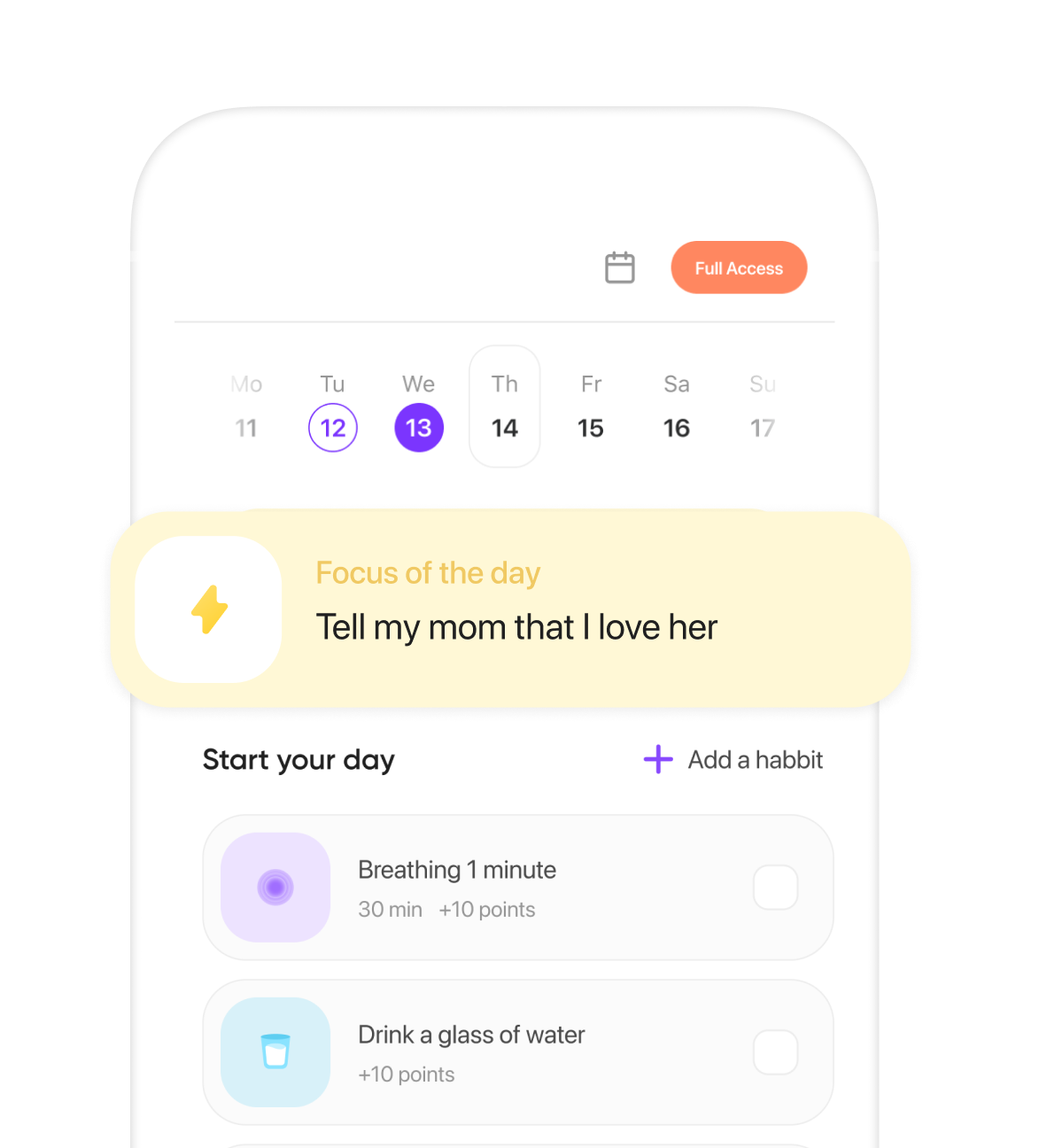
Tracking progress boosts how fast habits are adopted. Apps for habit tracking provide reminders and visual cues of progress, bolstering consistency. Moreover, teaming up with an accountability partner often increases success, a point highlighted by a study from the Dominican University of California.
Maximizing Your Habit Stacking Strategy
Celebrate Small Wins
Psychologist BJ Fogg underscores the value of celebrating small victories. Each achievement nurtures satisfaction, strengthening the newfound habits.
Iteration and Refinement
Stay adaptable. If any habit falters, tweak it. Flexibility breeds success; continuously adapt until it naturally aligns with your life.
Conclusion
Habit stacking is evolving—not merely a buzzword but a crucial tool for daily triumphs. By layering actions onto existing routines, you’re crafting a pathway to a fulfilling life. Gen Z and Millennials striving for consistency in effectiveness will find this strategy especially transformative.
What makes habit stacking remarkable is its simplicity and its extraordinary potential for lasting change. Take the plunge—identify, stack, and watch as incremental habits transform into monumental achievements.
Take charge of your routines today: Pinpoint an existing habit and tack on a fresh element. Start small, stack wisely, and watch your productivity soar, thanks to habit stacking!