Table of Contents
- Grasping the Concept of Habit Stacking
- Advantages of Habit Stacking
- Implementing Techniques to Stack Habits
- Navigating Common Challenges
- Examples of Effective Habit Stacking
- Final Thoughts
Grasping the Concept of Habit Stacking
The term “habit stacking” gained notoriety thanks to James Clear’s book, “Atomic Habits.” By drawing connections between new and existing habits, it utilizes the dependable rhythm of your daily life—rather than supplanting it—making it simpler to adopt fresh behaviors. Remember when, back in 2009, a major study published in the European Journal of Social Psychology claimed it takes about 66 days to form a new habit? Habit stacking can help ease that journey.
Advantages of Habit Stacking
- Heightened Productivity: When you pair new habits with established routines, you tap into already-formed neural pathways, which helps to cement fresh patterns faster. This shift curbs decision fatigue and boosts overall efficiency.
- Consistency Made Easier: With habit stacking, you rely on what’s already solid in your routine, which naturally keeps you consistent. A study from UCL emphasized how actions become automatic when repeated in familiar contexts—a truth many of us have lived through.
- Less Stress, More Success: Instead of an overwhelming transformation, habit stacking promotes gradual changes. This subtly lowers stress, fostering small victories along the way.
Implementing Techniques to Stack Habits
1. Pinpoint Current Habits
Take stock of your everyday activities. Identify those that have taken root. These should be reliable enough to support new additions. For instance, if you always drink water each morning, why not pair it with taking your daily vitamins?
2. Define Which New Habits to Cultivate
Think about the new habit you’d like to embrace. Start small—especially if you’re juggling a hectic schedule. Perhaps just five minutes spent on mindfulness or stretching each day could work wonders.
3. Craft a Simple Habit Stacking Formula
Develop an easily digestible plan for your habit stack: “After [Current Habit], I will [New Habit].” Something like, “After brewing my morning coffee, I’ll dive into ten minutes of reading.” This format provides clarity, reinforcing the routine.
4. Observe and Adapt
Checking in on progress is critical. If a particular stack doesn’t gel with your life, don’t worry. Adjust it. Charles Duhigg, a noted productivity expert, suggests viewing small setbacks as learning opportunities rather than obstacles—they are stepping stones to ultimate mastery.
Navigating Common Challenges
The Inertia of Change
Resistance to change? It happens to the best of us. Recognize it as inherent to the process. Approach it with patience and perseverance, making steady adjustments as you proceed.
Staying Accountable
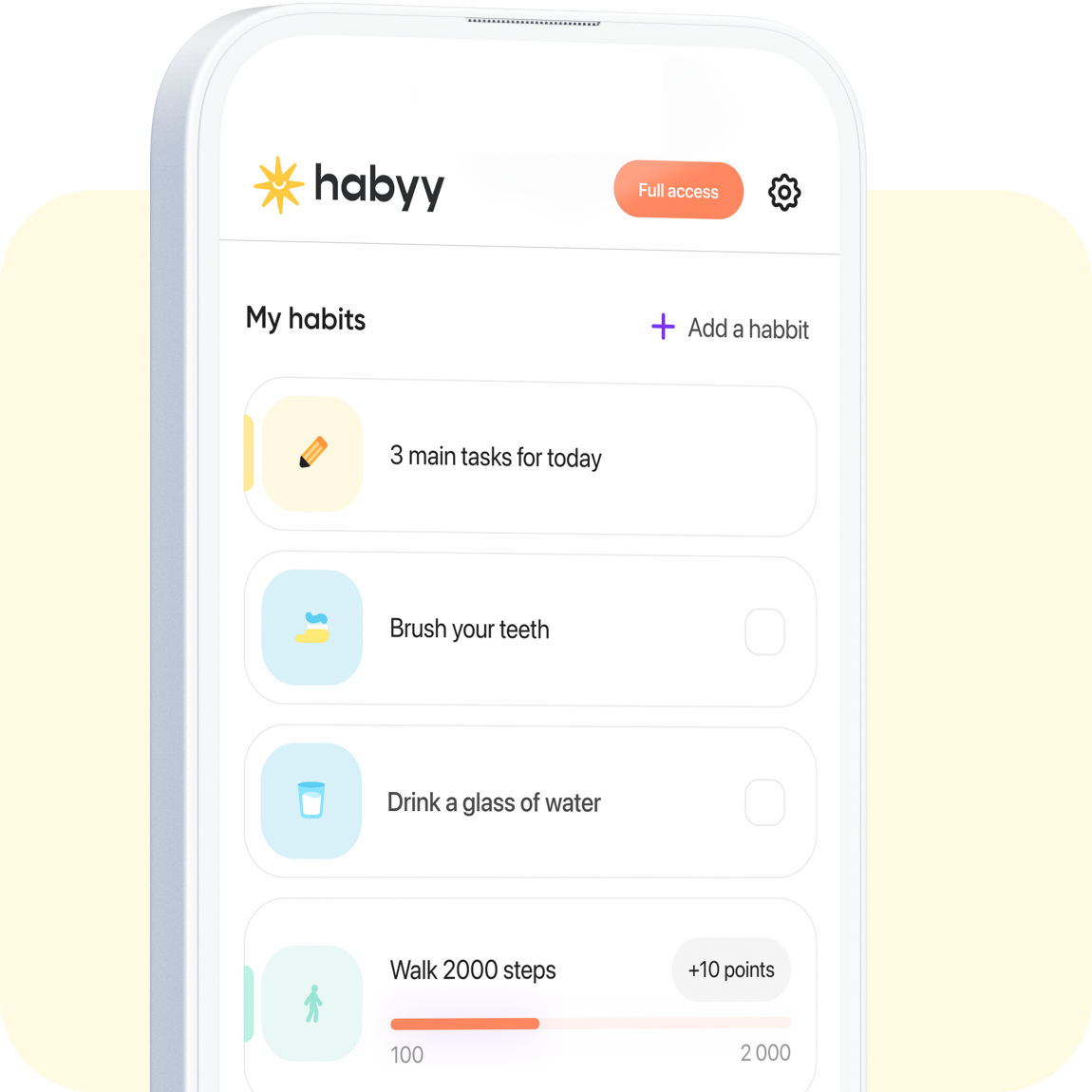
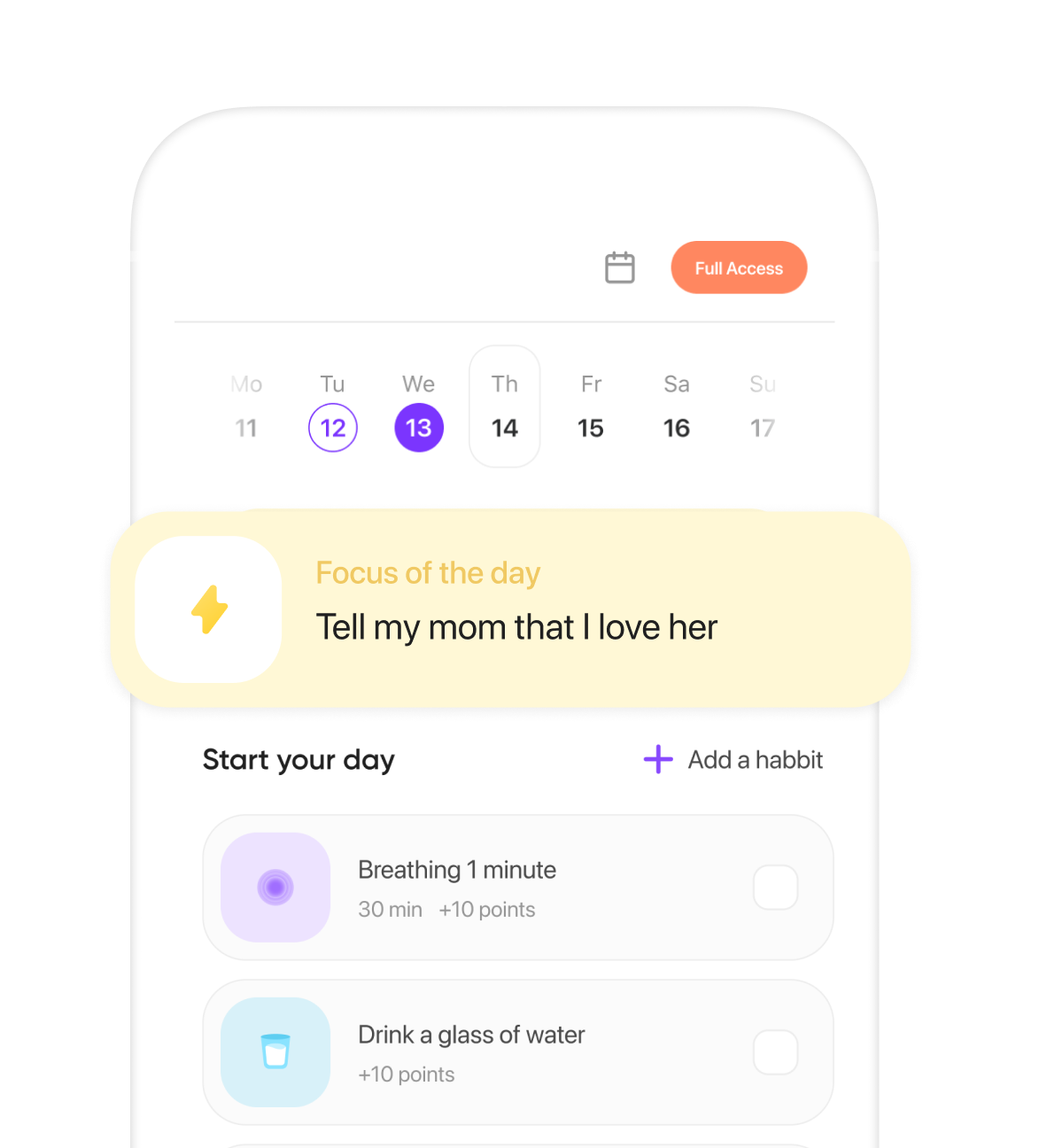
Accountability is crucial. Whether it’s through a habit-tracking app or simply an old-school notebook, keeping tabs on your progress can be invaluable. A Nielsen survey revealed that 76% of folks rely on tech to monitor and manage their habits.
Avoiding Complexity Overload
Keep your habit stack straightforward and sensible. Overcomplicating it risks burnout or a dwindling chance of following through. So remember, simplicity is key.
Examples of Effective Habit Stacking
- Enhanced Morning Routine: Post-tooth brushing, dedicate five minutes to jotting down thoughts of gratitude.
- Boosting Work Flow: Upon seating at your desk, allocate ten minutes to prioritize tasks for a clearer day.
- Health and Wellness: After lunch, take a brief ten-minute stroll to aid digestion and refresh.
Final Thoughts
Creating daily successes through habit stacking is all about consistency, keen planning, and adaptability. It’s a journey marked by steady advancement—perfection isn’t the point. By embracing this method, you’re likely to discover a more streamlined daily existence, enriched productivity, and a deeper sense of fulfillment.
Ready to embark on this transformative adventure? Start stacking today. Your path to sustained success awaits!
Sources:
- Clear, J. (2018). Atomic Habits: An Easy & Proven Way to Build Good Habits & Break Bad Ones.
- Lally, P. et al. (2009). How are Habits Formed: Modelling Habit Formation in the Real World. European Journal of Social Psychology.
- Duhigg, C. (2012). The Power of Habit: Why We Do What We Do in Life and Business.
- Nielsen Company. (2021). Consumer Behavior Report.