If you’re craving structure, accountability, and science-backed progress for your wellbeing, learning how to set goals with a mental health coach can change your trajectory. A coach helps you translate “I want to feel better” into measurable, doable steps—without drifting into therapy territory when you don’t need it, and with evidence-based tools when you do. It’s a pragmatic route, and frankly, one of the more humane ways to make change stick when life already feels crowded.
Table of Contents
- Why How to Set Goals with a Mental Health Coach Works
- Step-by-Step: How to Set Goals with a Mental Health Coach
- Weekly Reviews: How to Set Goals with a Mental Health Coach in Practice
- What to Measure with Your Coach When You Set Goals
- Common Pitfalls a Coach Helps You Avoid
- When Coaching Isn’t Enough
- Bringing It Together
- Summary
- References
Why How to Set Goals with a Mental Health Coach Works
Coaching’s impact is measurable. Meta-analyses show coaching improves well-being, coping, and goal-directed self-regulation with small-to-moderate effects (Hedges’ g around 0.30–0.46) and larger gains for self-regulation (g ≈ 0.74). That matters because self-regulation—turning intentions into action—is where most goals live or die. Knowing how to set goals with a mental health coach ties proven strategies to your real life, week by week. And in my view, that alignment between evidence and everyday constraints is what gives coaching its edge.
Why now? Globally, 1 in 8 people live with a mental disorder, and stress is high among Gen Z and Millennials. The American Psychological Association’s Stress in America survey flagged sustained worry around work, money, and health through 2021–2023; The Guardian reported a similar pattern in UK young adults during the same period. Learning how to set goals with a mental health coach offers a practical, stigma-light path to build routines that bolster mood, sleep, and confidence. If there’s a time for small, steady wins—it’s now.
Step-by-Step: How to Set Goals with a Mental Health Coach
Here’s a coach-informed roadmap you can bring to your first session. It’s straightforward on paper; the craft shows up in the weekly practice.
-
1) Clarify values before targets
Instead of “I should,” start with “I care about.” Rank top values (e.g., connection, vitality, calm). Values filter out trendy goals that don’t stick. This is foundational in how to set goals with a mental health coach. I’ll be candid: skipping this step is the fastest way to chase other people’s priorities and lose steam. -
2) Define SMART outcomes and process goals
- Outcome: what changes (e.g., “Reduce PHQ-9 from 12 to 6 in 8 weeks”).
- Process: the repeatable actions (e.g., “Walk 20 minutes, 4 days/week”).
Specific, challenging goals outperform vague ones, a core finding of Goal-Setting Theory. Your coach will make SMART targets realistic in the context of how to set goals with a mental health coach. I’m partial to one stretch goal plus one easy win—better to feel momentum then stall out on ambition.
-
3) Use WOOP/MCII to reality-check
WOOP (Wish, Outcome, Obstacle, Plan) or Mental Contrasting with Implementation Intentions helps you visualize the desired future, then name roadblocks. Studies show mental contrasting boosts effort and follow-through. It’s a staple in how to set goals with a mental health coach because it prevents magical thinking. My read: the “Obstacle” box is where honesty pays dividends. -
4) Write if-then plans (implementation intentions)
“If it’s 7:00 a.m., then I start box breathing for 3 minutes.” Implementation intentions significantly raise goal completion (meta-analytic d ≈ 0.65). They remove choice in the moment—a powerful lever in how to set goals with a mental health coach. It may sound rigid; in practice, it’s liberating—fewer micro-decisions, more calm. -
5) Make it tiny, then track
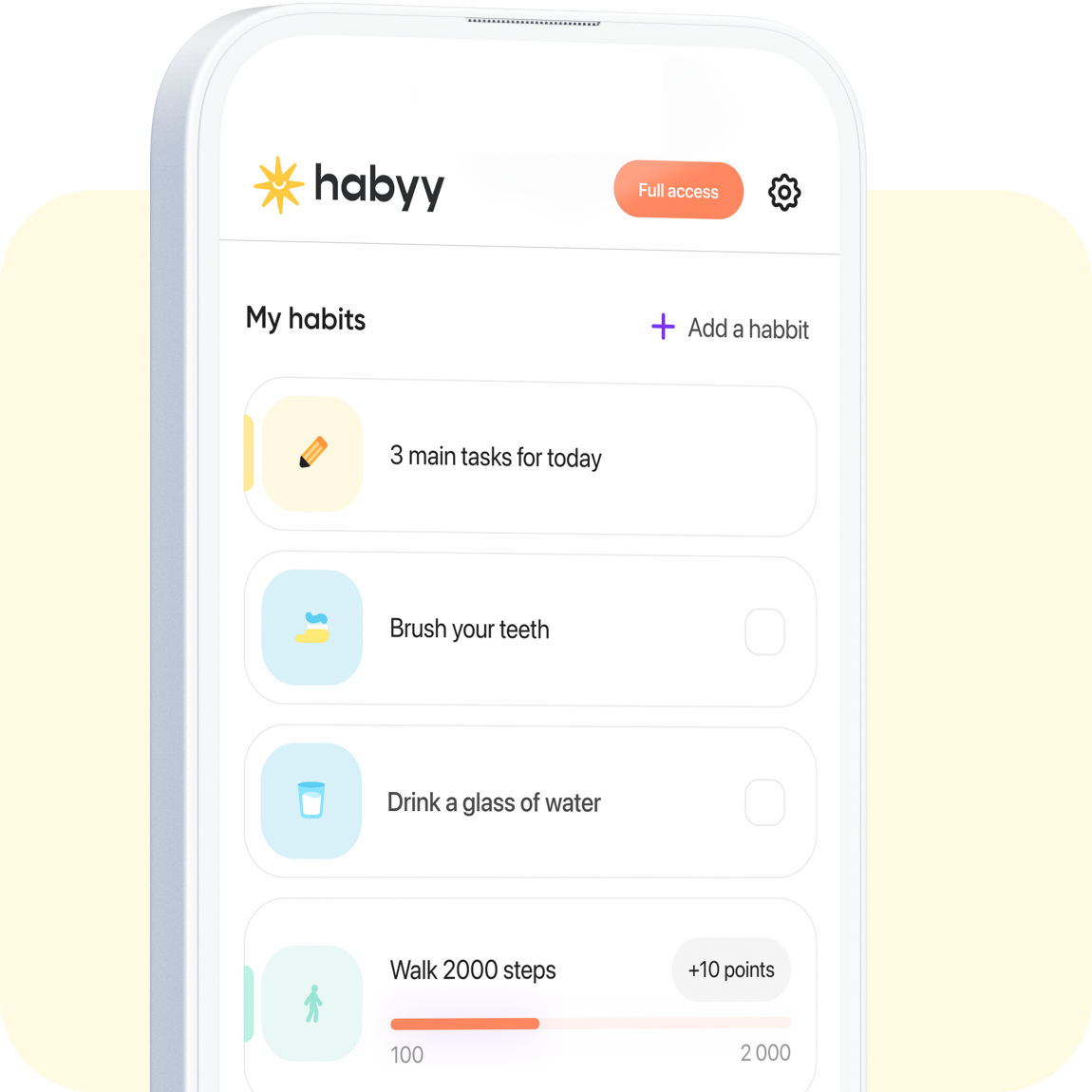
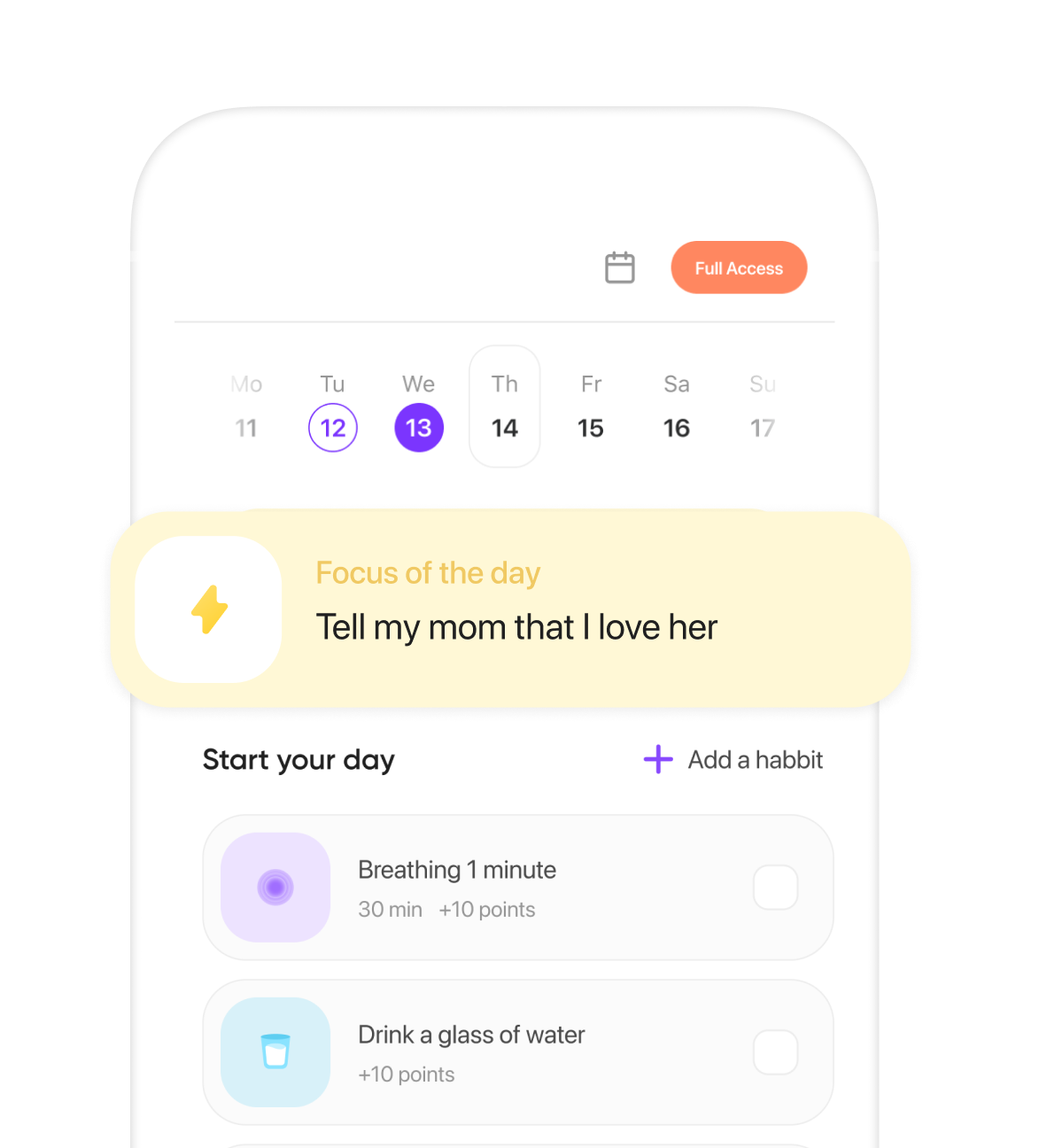
Start smaller than you think (e.g., 1-minute mindfulness after brushing teeth). Use a simple tracker: action, minutes, mood before/after. Tiny wins build self-efficacy, which mediates behavior change. This micro-focus keeps momentum in how to set goals with a mental health coach. I’d argue the tiniest sustainable habit beats the grand plan you abandon by Thursday.
Weekly Reviews: How to Set Goals with a Mental Health Coach in Practice
A 10–15 minute review anchors progress:
- What worked? What felt easy?
- Where did friction show up?
- Which if-then plan needs a tweak?
- What’s one variable to adjust (time, duration, cue)?
This cadence operationalizes how to set goals with a mental health coach into continuous improvement, not perfection. Think newsroom edit, not performance review. In my experience, brief, regular check-ins outperform lengthy monthly autopsies.
What to Measure with Your Coach When You Set Goals
Pick a few metrics, not twenty:
- Leading indicators: sessions attended, minutes practiced, sleep window consistency.
- Lagging indicators: PHQ-9/GAD-7 scores, resting heart rate variability, subjective energy, social engagement.
- Process quality: enjoyment (1–10), perceived effort (RPE), confidence (1–10).
Research suggests coaching improves coping and well-being, but measurement personalizes the effect. Data makes how to set goals with a mental health coach transparent and motivating. One caveat: track what you’re willing to act on—more data isn’t always better then less when it dilutes focus.
Common Pitfalls a Coach Helps You Avoid
- Vague goals: “Be less anxious” becomes “GAD-7 down 4 points in 6 weeks.”
- All-or-nothing thinking: swap “daily or fail” for “4 of 7 wins.”
- Overload: add one habit at a time; stack wins.
- No plan for obstacles: write if-then contingencies for travel, PMS fatigue, or Sunday scaries.
- Lone-wolfing: scheduled accountability boosts adherence; coaching meta-analyses show reliable gains across well-being and performance domains.
If I could underline one thing, it’s this: perfectionism quietly kills more behavior change than lack of willpower.
When Coaching Isn’t Enough
A mental health coach supports habits, skills, and motivation; they don’t diagnose or treat disorders. Seek therapy or urgent care if you have persistent impairment, trauma symptoms, suicidality, or substance misuse. In the U.S., call/text 988 for crisis support. Your coach can collaborate with clinicians so your goals stay safe and aligned. That boundary isn’t red tape—it’s protection.
Bringing It Together
Ultimately, how to set goals with a mental health coach means aligning values, writing SMART outcomes, building if-then plans, and iterating weekly with data. You’ll feel progress not as a personality makeover, but as a series of small, repeatable wins that add up—calmer mornings, steadier energy, more self-trust. My bias? Consistency beats intensity, every time.
Summary
How to Set Goals with a Mental Health Coach boils down to values-first clarity, SMART outcomes plus process habits, WOOP to anticipate obstacles, implementation intentions to automate action, and brief weekly reviews to iterate. Coaching research shows meaningful gains in well-being and self-regulation. Start small, measure what matters, and let consistency do the heavy lifting. Ready to try it? Book one coaching session, choose one tiny habit, and track it for 7 days. Begin today..
References
- Theeboom, T., Beersma, B., & Van Vianen, A. E. (2014). Does coaching work? A meta-analysis.
- Jones, R. J., Woods, S. A., & Guillaume, Y. (2016). The effectiveness of workplace coaching: A meta-analysis.
- Locke, E. A., & Latham, G. P. (2002). Building a practically useful theory of goal setting and task motivation.
- Gollwitzer, P. M., & Sheeran, P. (2006). Implementation intentions and goal achievement: A meta-analysis.
- Oettingen, G., & Gollwitzer, P. M. (2010). Strategies of setting and implementing goals.
- Kivelä, K., et al. (2014). Health coaching for adults: A systematic review.
- World Health Organization. (2022). World mental health report.