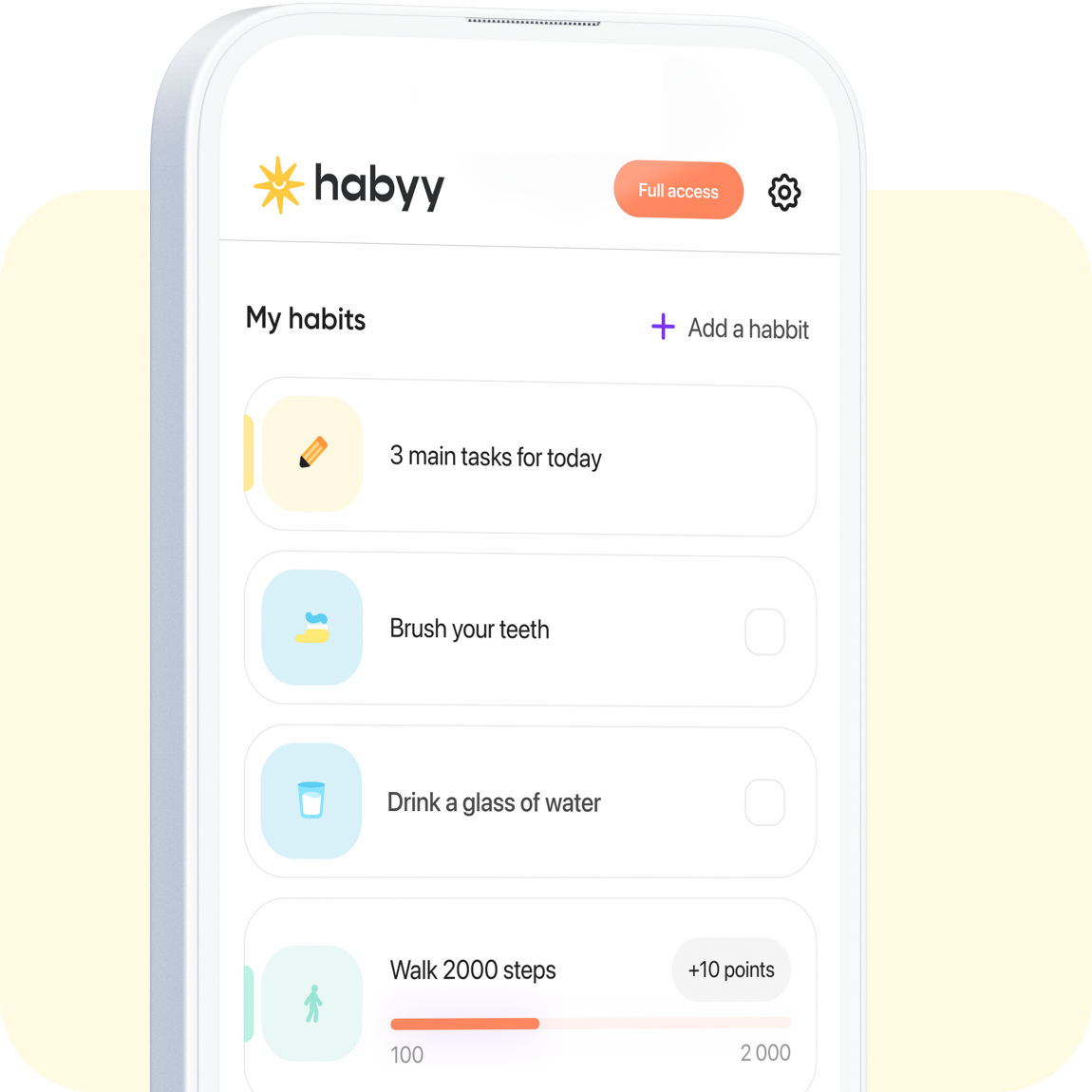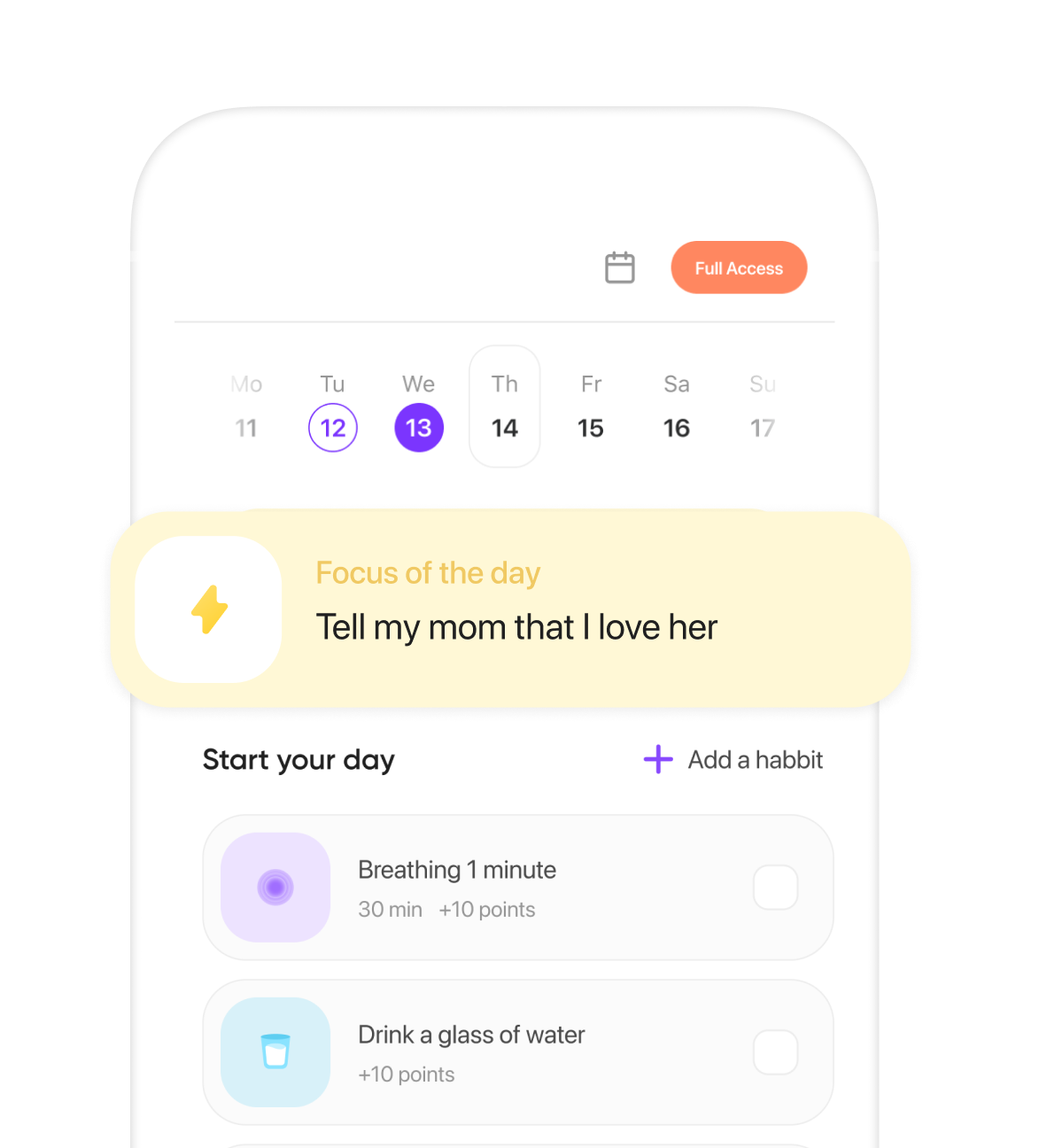
Mental health coaching is emerging as a vital option for individuals—especially those in Gen Z and Millennials—seeking support for emotional well-being and personal growth. Unlike therapy or counseling, this approach zooms in on setting and reaching specific goals through a structured strategy. For women navigating today’s complex world, filled with career demands and the pressures of maintaining balance, this form of coaching can really make a difference.
Table of Contents
- Understanding Mental Health Coaching
- How Does Mental Health Coaching Differ from Therapy?
- Benefits of Mental Health Coaching
- The Role of a Mental Health Coach
- Key Techniques Used by Mental Health Coaches
- Choosing the Right Mental Health Coach
- Questions to Consider When Choosing a Coach
- Conclusion: Embracing Mental Health Coaching for Growth
- References
Understanding Mental Health Coaching
Think of mental health coaching as a way to empower yourself, enhancing your mental wellness through tailored strategies that tackle life’s hurdles effectively. Coaches partner with clients to pinpoint areas needing improvement, sketch out realistic goals, and craft actionable plans—drawing from the principles of positive psychology, which highlights strengths, resilience, and growth potential.
How Does Mental Health Coaching Differ from Therapy?
Both aim to boost mental well-being, but differ widely in their methods. Therapy frequently zeroes in on diagnosing mental disorders, digging into past traumas, and untangling emotional patterns. On the flip side, mental health coaching is focused forward, driven by action. Coaches won’t diagnose mental health conditions. Instead, they help clients in carving out goals related to development, productivity, and life satisfaction. I’ve often wondered—how powerful can perspective be!
Benefits of Mental Health Coaching
- Goal-Oriented Approach: It’s all about setting and achieving goals here, appealing to those who feel stuck or need direction in their lives.
- Increased Self-Awareness: You’ll gain insights into your thoughts, behaviors, and habits—key for spotting areas that need change and devising ways to address them.
- Improved Emotional Regulation: Coaches teach skills for managing emotions, slashing stress and anxiety—which is desperately needed amidst the constant juggle of work, relationships, and self-growth.
- Enhanced Resilience and Confidence: By centering on strengths and shoring up resilience, clients better handle setbacks. This confidence is crucial when chasing big goals.
The Role of a Mental Health Coach
Acting as guides and partners, mental health coaches support clients’ paths to better mental wellness. Providing accountability, encouragement, and a study in the Journal of Positive Psychology found significant life satisfaction and goal attainment among those working with coaches (Grant, 2014). Wonder how life-changing that validation can be…
Key Techniques Used by Mental Health Coaches
- Motivational Interviewing: Here, it’s about delving into ambivalence and resolving it to spur motivation for change. Coaches ask open-ended questions, engage in reflective listening, and provide affirmations.
- Cognitive Behavioral Strategies: Without descending into therapy, coaches may incorporate cognitive-behavioral techniques to challenge unhelpful thoughts.
- Mindfulness and Stress Reduction: Emphasizing mindfulness helps maintain balance amid life’s chaos.
- Accountability Partnerships: Check-ins and progress tracking keep you on track—moving steadily toward set goals.
Choosing the Right Mental Health Coach
Picking a suitable coach requires a careful look at credentials, experience, and coaching style to align with your needs. Many come from backgrounds in psychology or social work, providing a solid mental health foundation. A solid rapport enhances the coaching process significantly, don’t you think?
Questions to Consider When Choosing a Coach
- What’s their experience and background in mental health coaching?
- Do they have certifications or accreditations that matter?
- What’s their approach to goal-setting and accountability?
- How do they tailor their methods to fit individual client needs?
Conclusion: Embracing Mental Health Coaching for Growth
For Gen Z and Millennial women looking for a hands-on mental health approach, coaching offers a structured path to growth. By crystallizing goals and devising actionable strategies, clients can face down challenges, build mental resilience, and lead fulfilling lives.
Ready to boost confidence, regulate emotions, or set and conquer meaningful goals? Mental health coaching could be the transformative tool. Don’t let time slip by—reach out and find a coach who resonates with your aspirations today!
References
- Grant, A. M. (2014). The efficacy of coaching. The Journal of Positive Psychology, 9(1), 1-3.
- Biswas-Diener, R., & Dean, B. (2010). Happiness and the Art of Being. New Harbinger Publications.
- Neenan, M. (2008). Cognitive Behavioural Coaching. Routledge.