Table of Contents
- Understanding ADHD Burnout
- Symptoms of ADHD Burnout
- Strategies for Managing ADHD Burnout
- Prioritize Self-Care
- Set Realistic Goals
- Develop a Structured Routine
- Seek Professional Help
- Build a Support System
- Leveraging Technology
- Nutrition and Sleep
- Mindfulness and Relaxation Techniques
- Conclusion
- References
Understanding ADHD Burnout
What exactly is ADHD burnout? It’s a state of exhaustion—both mental and physical—that hits when dealing with ADHD demands stretch an individual’s capacity thin. You know, like a report in ADDitude Magazine showing that 80% of people with ADHD feel burnout regularly. The constant juggling to focus, organize, and check impulsivity drains energy, sparking fatigue, anxiety, and even depression.
Symptoms of ADHD Burnout
Recognizing ADHD burnout symptoms is essential for effective management. They are not to be ignored:
- Chronic fatigue and low energy
- Difficulty concentrating
- Irritability and mood swings
- Physical symptoms like headaches or muscle tension
- Withdrawal from social settings
Strategies for Managing ADHD Burnout
1. Prioritize Self-Care
Self-care… it’s become quite a buzzword, but it’s absolutely necessary for managing ADHD burnout. Did you know a study in the Journal of Attention Disorders found that regular exercise and mindfulness practices significantly subdued ADHD symptoms and boosted well-being? Activities like yoga, meditation, or a simple walk can help in regulating emotions and sharpening focus.
2. Set Realistic Goals
Setting realistic goals—it’s not only wise; it’s crucial when tackling ADHD burnout. Break tasks into smaller, more digestible steps; use planners or digital reminders. Research in Psychological Science has shown that breaking tasks down fosters productivity and reduces stress. Makes sense, doesn’t it?
3. Develop a Structured Routine
A consistent routine is like the calming antidote to ADHD chaos. Maintaining a structured schedule helps manage time and expectations, cutting down anxiety and helping you be more efficient. Just a daily planner or a digital calendar could be game-changers here.
4. Seek Professional Help
Don’t underestimate the power of therapy or coaching with an ADHD-specialized mental health professional. Cognitive Behavioral Therapy (CBT) really stands out here. In 2020, the Cognitive and Behavioral Practice journal underscored CBT’s effectiveness in alleviating ADHD symptoms and burnout.
5. Build a Support System
Feeling isolated? Building a support network is essential. Support groups offer a space to share experiences and strategies. According to CHADD (Children and Adults with Attention-Deficit/Hyperactivity Disorder), social support plays a vital role in cutting burnout and enhancing mental health.
Leveraging Technology
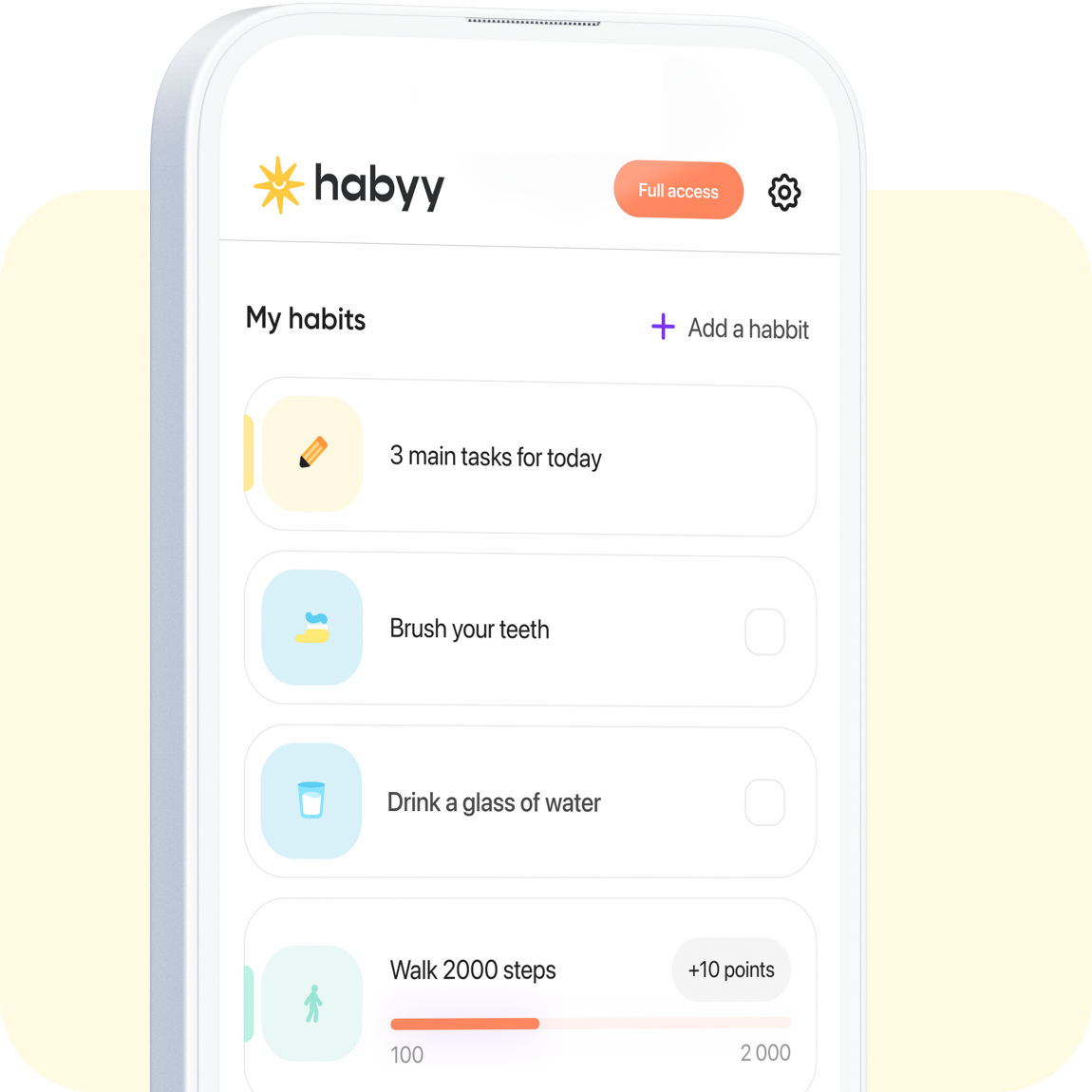
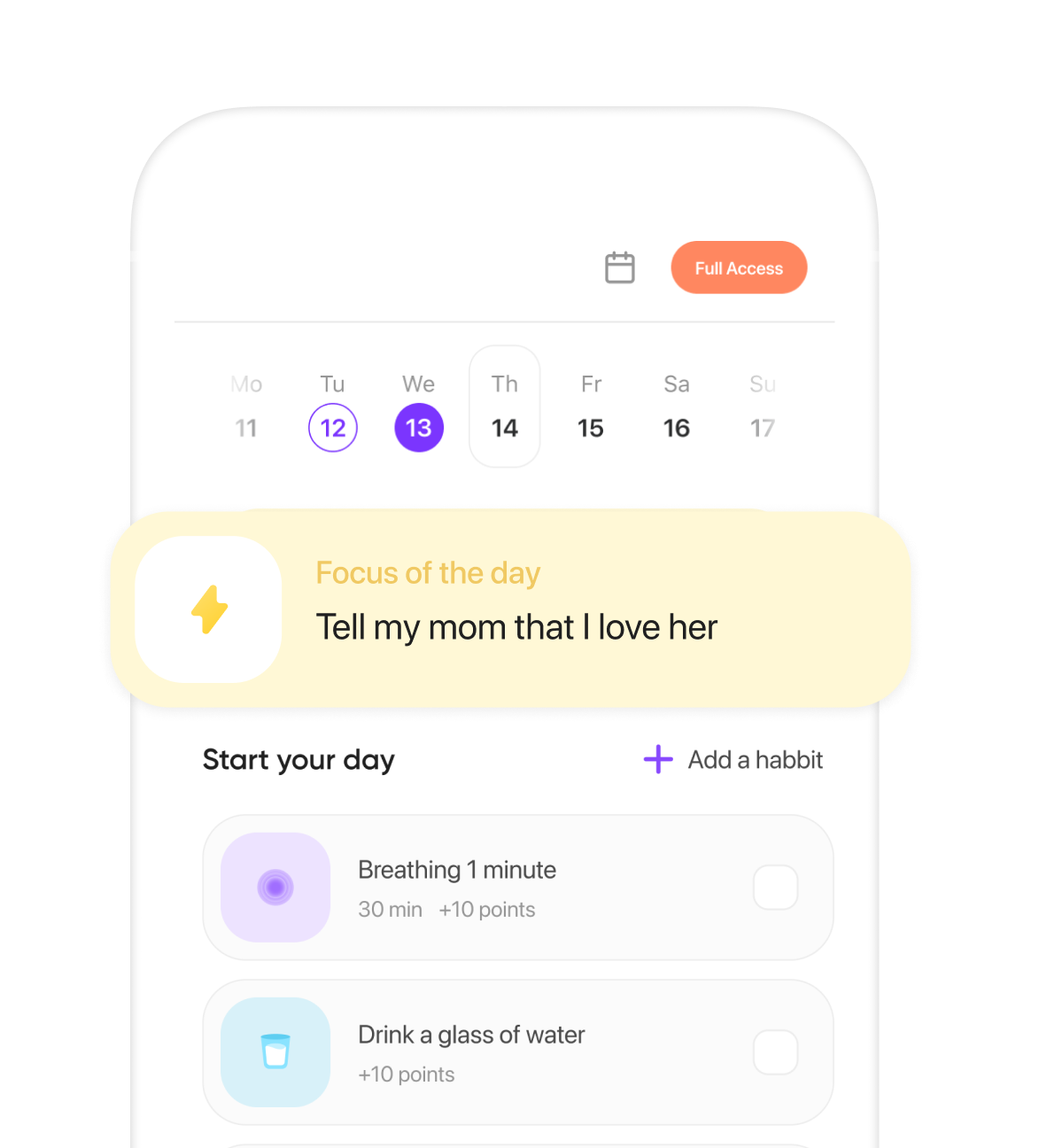
Tech is a double-edged sword for those with ADHD. Sure, apps and alerts can be distracting, but tech also holds tools to navigate ADHD.
Useful Apps
- Trello or Asana: These help with task management and organization.
- Forest: Motivates focus by growing virtual trees.
- Headspace: Offers guided meditations tailored for ADHD.
These apps assist with time management, enhance focus, and lighten the cognitive load, minimizing burnout risks.
Nutrition and Sleep
1. Balanced Diet
Balance in your diet makes a surprising difference in managing ADHD symptoms. Foods rich in omega-3 fatty acids, like salmon and walnuts, contribute to better brain function. A study in Neuropsychology Review emphasized how dietary interventions could notably affect ADHD symptoms.
2. Quality Sleep
Ah, sleep… many with ADHD struggle here. Establishing a bedtime routine, keeping screens distant before sleep, and crafting a soothing sleep environment can really boost sleep quality. Research in the Journal of Child Neurology found that good sleep reduces ADHD symptoms and burnout.
Mindfulness and Relaxation Techniques
1. Meditation
Mindfulness meditation—training your brain to focus—offers particular benefits for ADHD. A meta-analysis in Clinical Psychology Review reports that mindfulness significantly enhances attention and curbs impulsivity in ADHD individuals.
2. Breathing Exercises
Simple yet effective, breathing exercises cut stress and strengthen focus. Techniques like the 4-7-8 breathing method promote calmness, improved sleep, and enhanced concentration.
Conclusion
Managing ADHD burnout demands a comprehensive approach, blending self-care, structured routines, expert support, and tech tools. Understanding and addressing symptoms with evidence-based strategies can empower Gen Z and Millennial women to navigate ADHD challenges and lead fulfilling lives. Remember, you’re not alone on this path—patience and persistence pave the way.
Kickstart your journey to managing ADHD burnout by integrating these strategies into your everyday life and seeking support. You’re not walking this journey alone.
References
- ADDitude Magazine. Survey on ADHD and Burnout
- Journal of Attention Disorders. Exercise and ADHD
- Psychological Science. Task Management Study
- Cognitive and Behavioral Practice. CBT for ADHD
- CHADD. Support and ADHD
- Neuropsychology Review. Dietary Impact on ADHD
- Journal of Child Neurology. ADHD and Sleep
- Clinical Psychology Review. Mindfulness and ADHD